


Uganda — December 2025
The long-touted promise by Justice and Constitutional Affairs Minister Nobert Mao that Uganda would experience the “most peaceful electioneering period ever” appears to be collapsing under the weight of escalating political tensions and fatal crowd-control failures. The tragic death of a young man during a National Unity Platform (NUP) rally in Iganga on Friday has reinforced the fears of many Ugandans who had warned that the 2026 campaign season was poised to take a darker, violent turn.
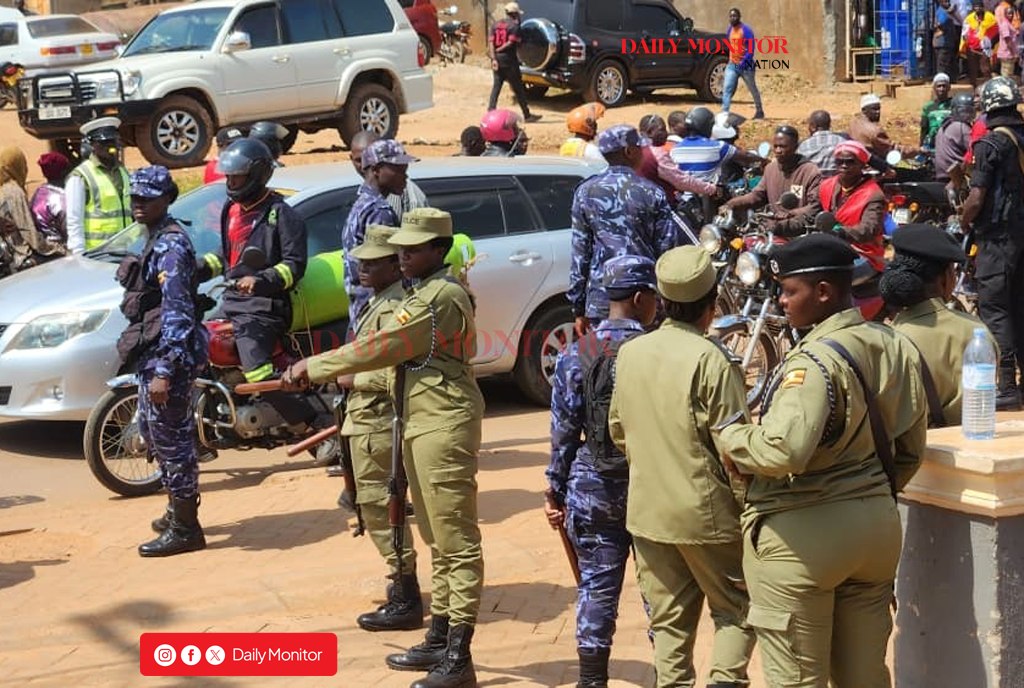
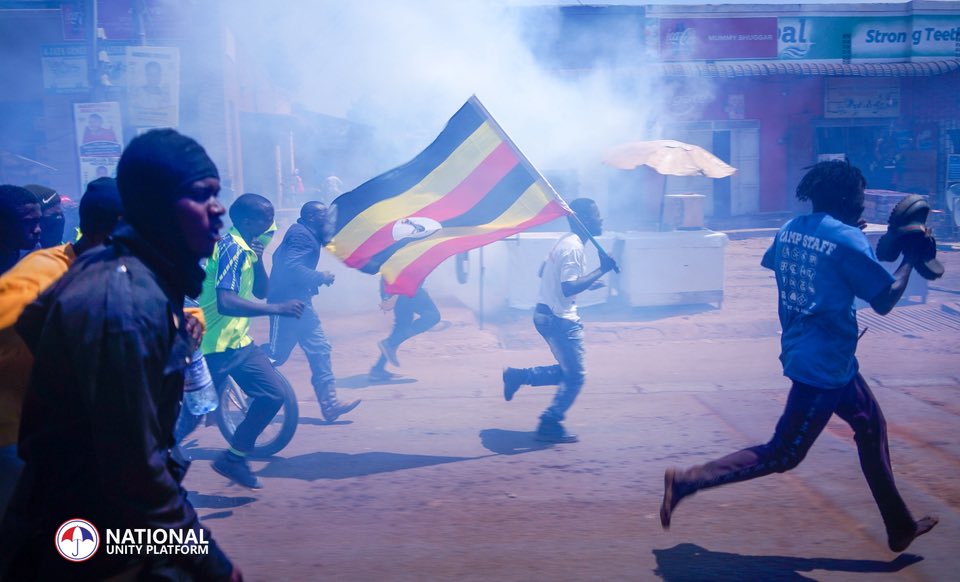
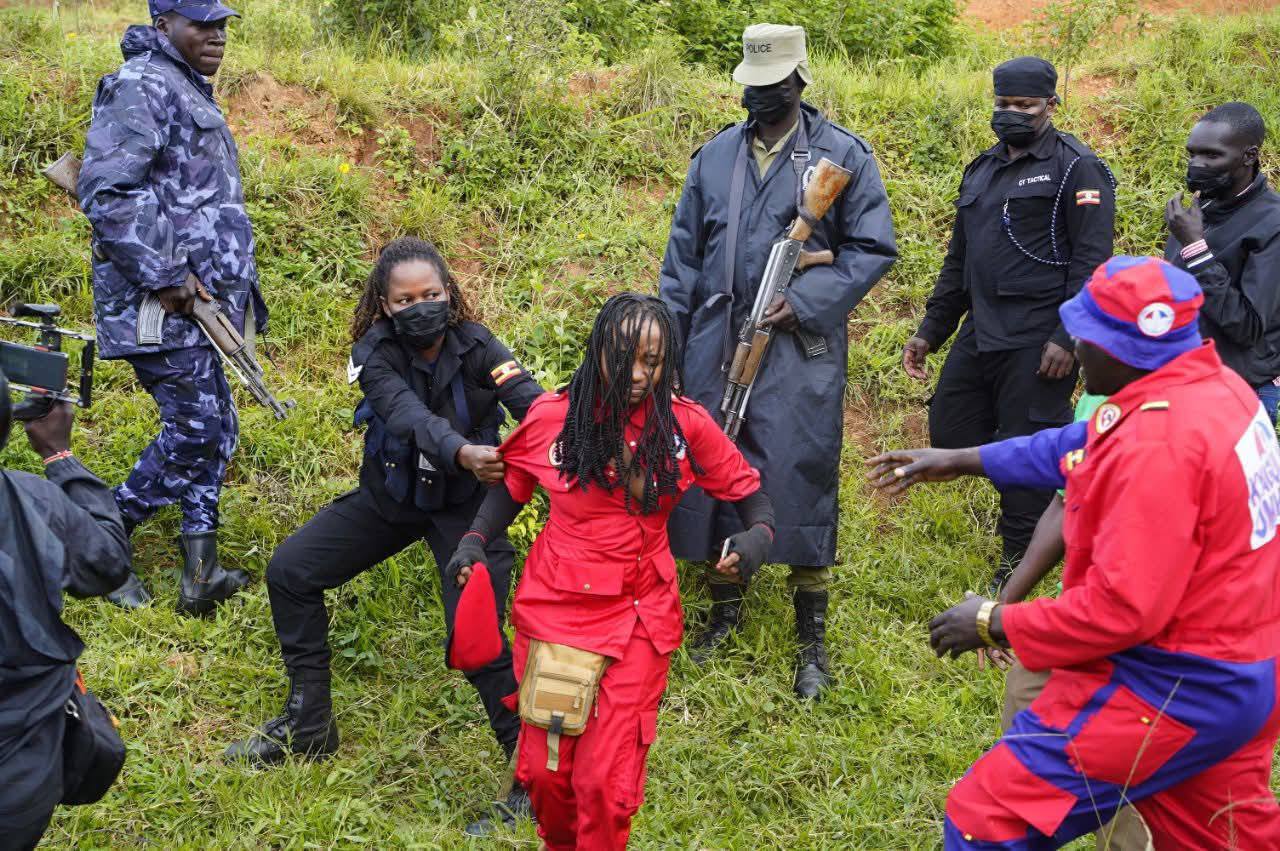
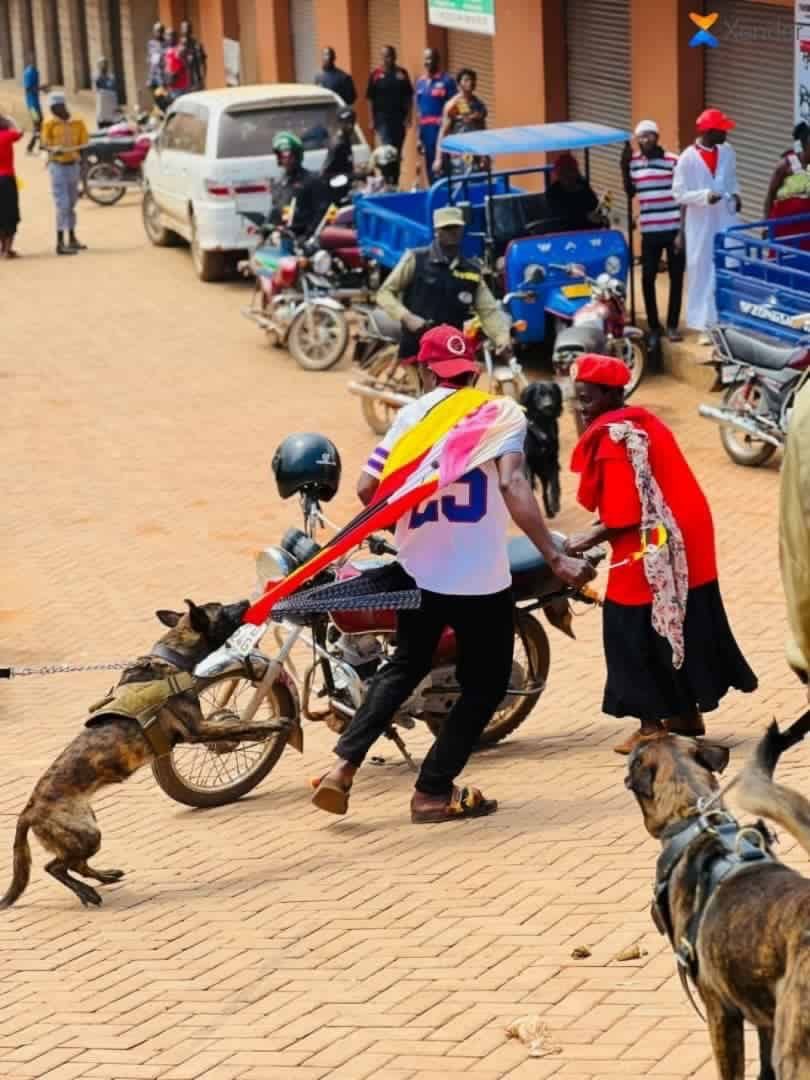
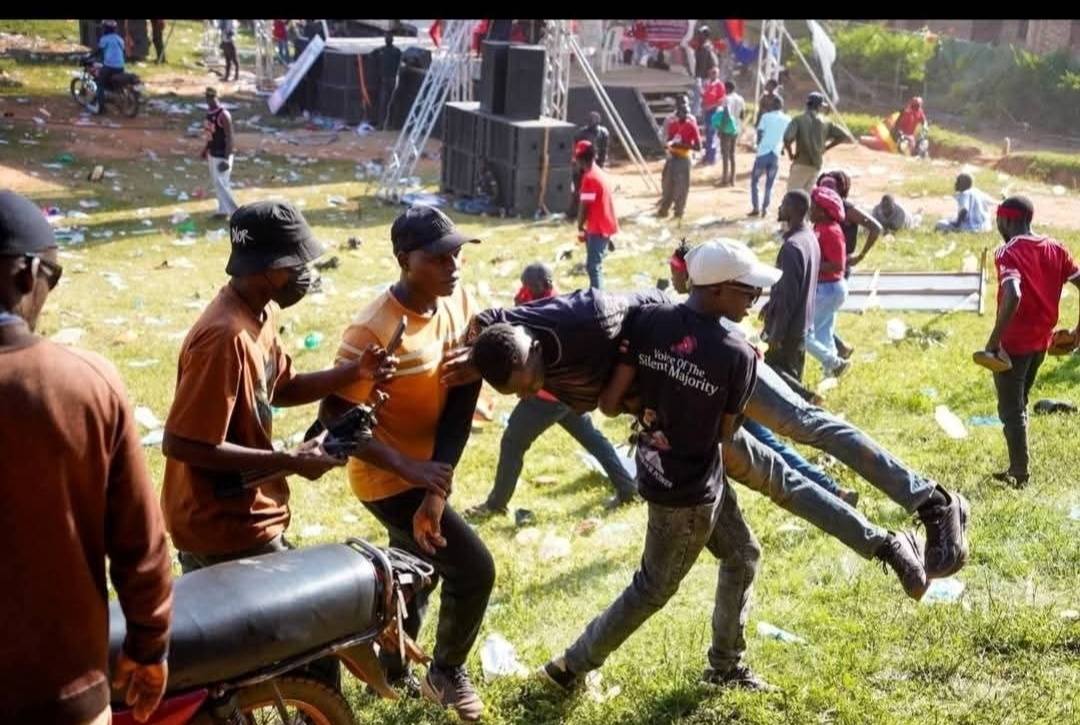
What should have been a spirited campaign gathering quickly descended into chaos as security forces attempted to disperse crowds that had swelled beyond the expectations of both organisers and police. According to eyewitnesses, the push-and-pull between supporters and heavily armed law enforcement created panic, trampling and suffocation — ultimately costing one life and leaving scores injured.
A Promise Sinking in Quicksand
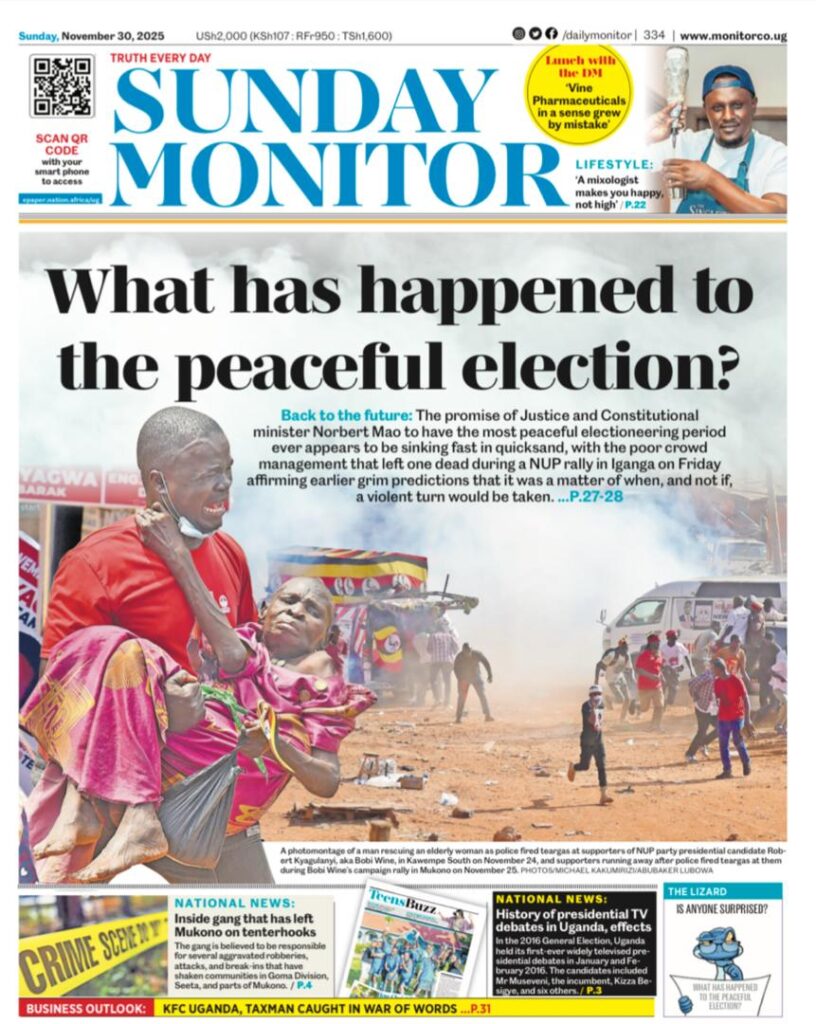
Minister Mao’s early-year declaration that Uganda was entering a new era of peaceful political competition had been met with cautious optimism. Yet, the events in Iganga suggest otherwise.
“The promise of a peaceful election is sinking fast in quicksand,” a civil society observer told this publication.
“The indicators of state-inflicted violence were always there.”
Human rights groups say the Iganga incident was not an isolated case but part of a widening pattern of aggressive crowd-control tactics targeting opposition gatherings. The Uganda Police Force, however, maintains that Friday’s tragedy was a result of “uncontrolled crowd behaviour” and an “unfortunate accident.”
The Deadly Rally in Iganga
The rally, led by NUP’s presidential candidate Robert Kyagulanyi, also known as Bobi Wine, drew thousands of supporters despite intermittent police blockades reported along the Jinja–Iganga highway. Tensions escalated when security forces attempted to forcefully limit crowds near the main stage.
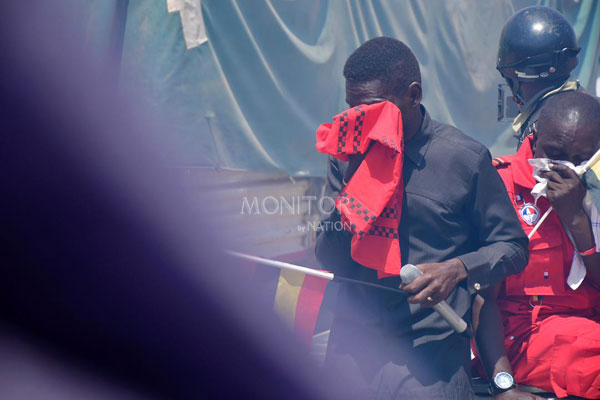
Witnesses recount hearing multiple teargas canisters explode in rapid succession, sending supporters running in all directions. In the ensuing stampede, one unidentified man was fatally trampled, while dozens sustained injuries ranging from fractures to severe breathing complications after inhaling teargas.
“People were suffocating, falling on top of each other. Police kept firing even as we screamed for help,” a survivor said.
Opposition Blames Government, Demands Accountability
The NUP leadership has squarely blamed the state for the loss of life, accusing security organs of weaponising crowd control to intimidate opposition supporters.
Bobi Wine, addressing journalists shortly after the incident, condemned the security forces’ actions:
“This blood is on the hands of those who fear free expression. Ugandans must not die simply because they gathered to listen to alternative political voices,” he said.
Party officials have demanded an independent investigation, insisting that the Iganga tragedy reflects deliberate political repression disguised as public-order management.
Government Walks a Tightrope
Minister Mao has not yet issued an updated statement addressing the Iganga incident directly, but his earlier assurances are now under intense scrutiny. Analysts say the recurring clashes suggest systemic failures rather than isolated miscalculations.
Political historian Dr. Sarah Nambalirwa says the contradiction between Mao’s promise and reality exposes a deeper governance crisis:
“You cannot promise peace while deploying fear. If reform is not matched with action, violence becomes inevitable.”
A Grim Outlook for 2026
With several months to go before the 2026 general election, concerns continue to mount over Uganda’s political trajectory. Civil society organisations warn that unless crowd management protocols are overhauled and security agencies are held accountable, more lives could be lost.
For families in Iganga — and for a nation yearning for democratic stability — Friday’s tragedy is a painful reminder of how fragile peace can be during Uganda’s election cycles.
The promise of the “most peaceful election ever” now lies under a cloud of grief, fear, and skepticism, leaving many wondering: if this is just the beginning, what awaits Uganda in the tense months ahead?