


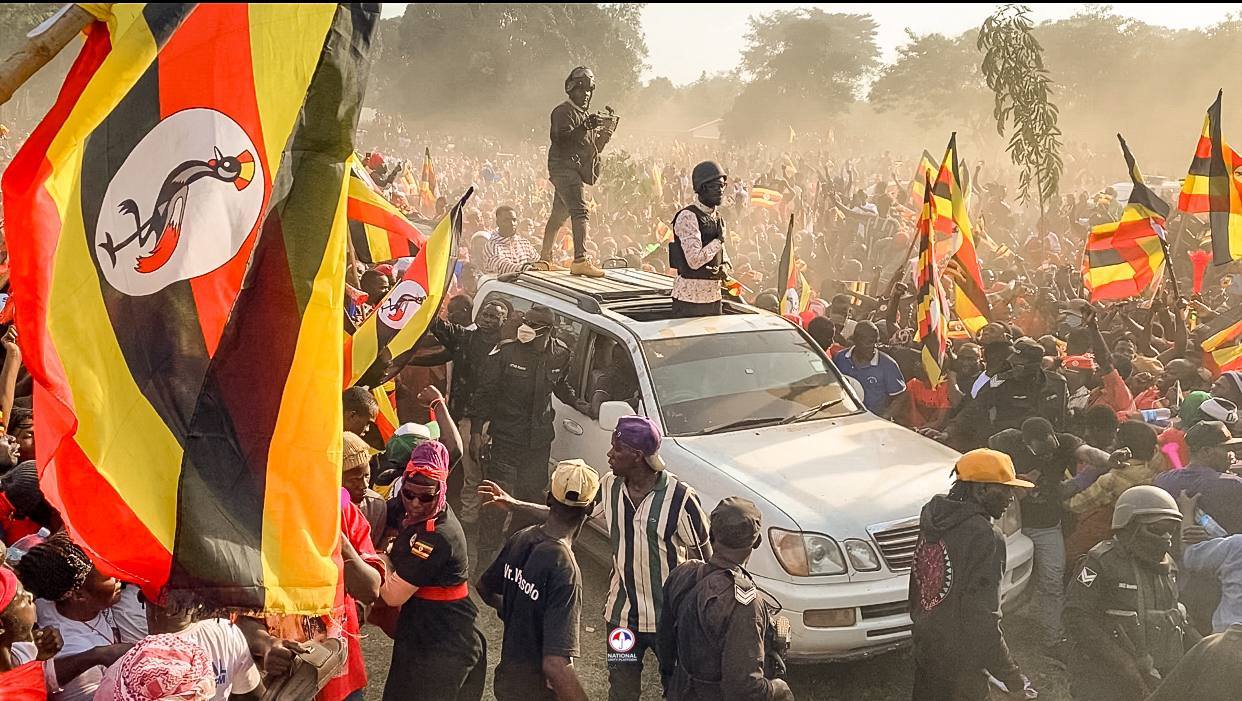
Luweero, Uganda — National Unity Platform (NUP) president and 2026 presidential candidate Robert Kyagulanyi Ssentamu, popularly known as Bobi Wine, vowed that Ugandans “will take back our land” as he addressed thousands of enthusiastic supporters in Luweero District on Tuesday. The declaration, delivered in the symbolic heartland of the 1980–1986 Bush War, sparked charged emotions and renewed debate about land rights, political accountability, and the direction of Uganda’s long-awaited transition.
Speaking during a mobilisation tour ahead of the 2026 general elections, Bobi Wine described Luweero as “the cradle of Uganda’s struggle for freedom” and urged residents to be part of what he termed as “the final phase of liberation.” He argued that for decades, citizens have been systematically dispossessed through land grabbing, forced evictions, and political manipulation.
“Our parents shed blood on this soil for justice and dignity. Instead, what you have received is poverty, intimidation, and stolen land. In 2026, we shall take back our land, our dignity, and our country,” Bobi Wine said as supporters cheered.
Land Grabbing Takes Center Stage

The NUP leader accused senior government officials, military-linked businessmen, and politically connected families of orchestrating widespread land theft in Luweero and across the country. He cited the long-running disputes involving absentee landlords, bibanja holders, and powerful individuals who allegedly evict residents despite standing protections under the Land Act.
Residents who attended the rally echoed these concerns. Many held placards describing their evictions, while others narrated how local authorities, surveyors, and security personnel have turned land conflicts into a lucrative enterprise.
Sarah Nanyonga, a 54-year-old resident of Kikyusa, said her family was thrown off the land they had occupied since 1958.
“We ran to the RDC, the police, the courts—nothing helped. They told us the land now belongs to an investor,” she said.
Her story was one of dozens shared at the gathering.
Invoking Luweero’s Historical Memory
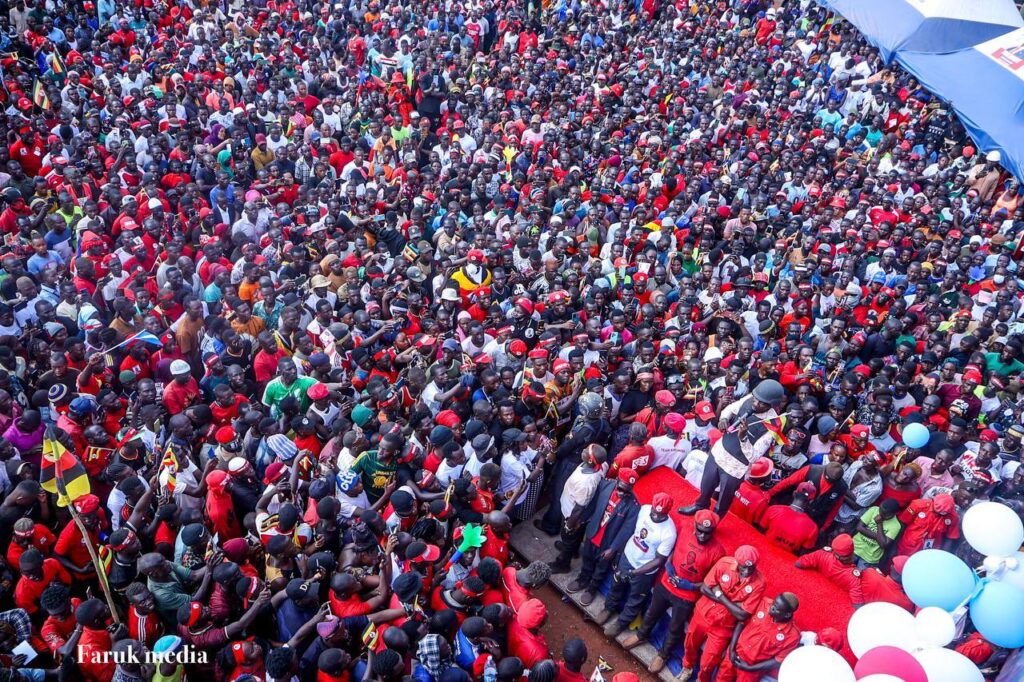
Bobi Wine’s speech heavily invoked Luweero’s historical role in ending past regimes. He argued that the district, once the centerpiece of the National Resistance Army (NRA) guerrilla struggle that brought President Yoweri Museveni to power, has since been neglected.
“Luweero was promised development, hospitals, modern farming, and compensation. Instead, the region has been abandoned while those who claim to have liberated this country enrich themselves,” Bobi Wine said.
Analysts note that Bobi Wine’s appeal to history is strategic; Luweero remains a politically symbolic area, and shifting its sentiment could damage the ruling National Resistance Movement (NRM)’s traditional narrative of liberation and loyalty.
Security Presence and Tensions
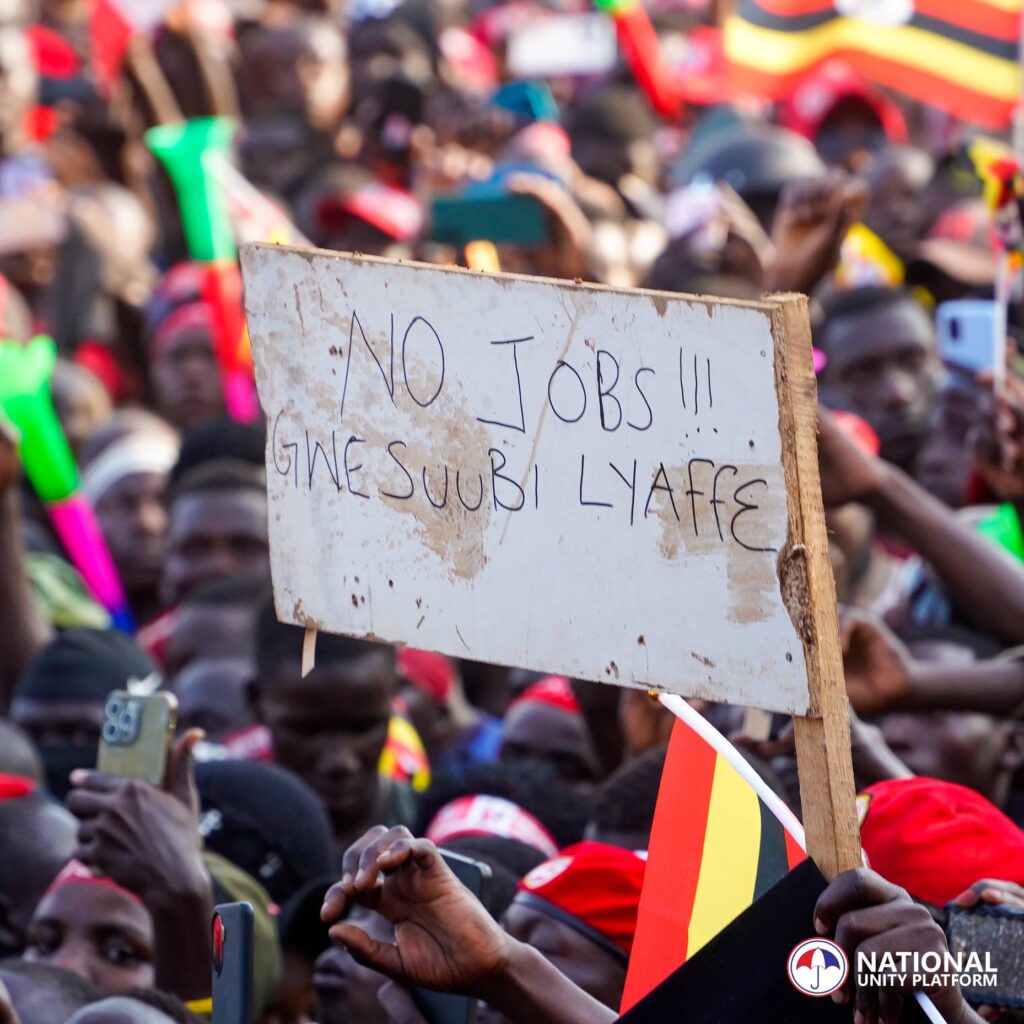
The rally unfolded under a heavy but largely restrained security presence. Police and military patrols monitored the movement of supporters, while several checkpoints were set up along major roads leading into Luweero Town. NUP officials said some of their mobilisers were briefly detained earlier in the morning, though they were later released without charge.
Police spokesperson Fred Enanga, contacted for comment, insisted that security personnel were only ensuring order and compliance with public safety regulations.
“We do not interfere with political activities. Our mandate is to maintain security for all Ugandans,” he said.
Promise of a People-Centered Government
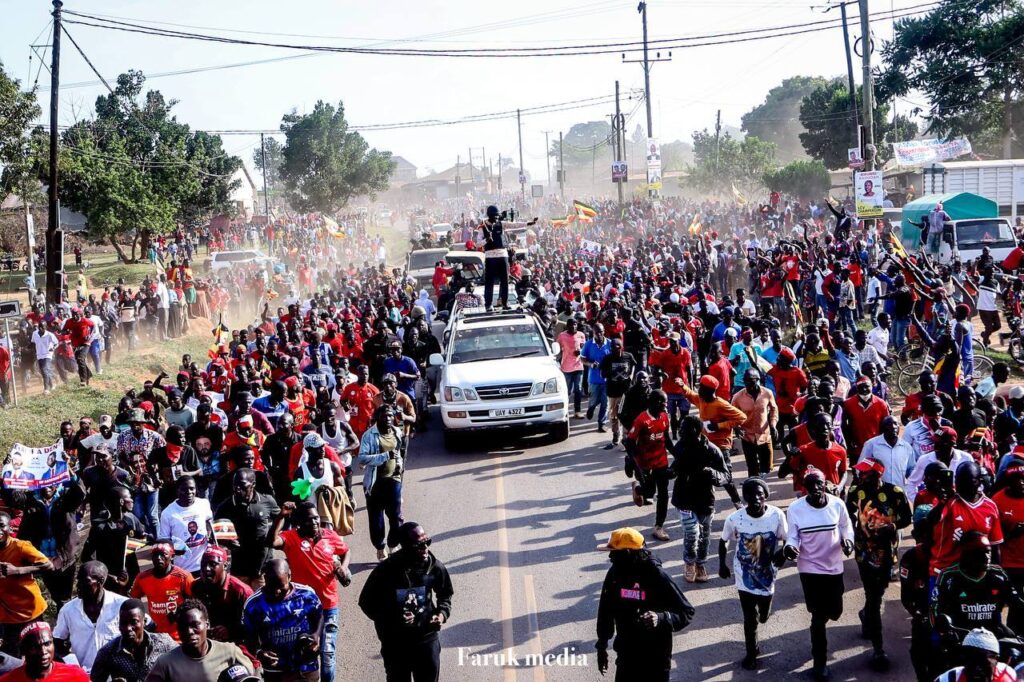
Bobi Wine outlined several commitments he said NUP would prioritise should they win in 2026:
- Transparent land registration
- Protection of bibanja holders
- Investigation and prosecution of land grabbers
- Restoring independence of land tribunals
- Ending militarisation of land disputes
“The land belongs to the people—not to generals, not to ministers, not to investors handpicked behind closed doors,” Bobi Wine declared.
He ended his address by urging Luweero residents to defend their vote in 2026.
“The power is in your hands. Luweero began the struggle in the 1980s. Luweero can finish it in 2026.”
Looking Ahead
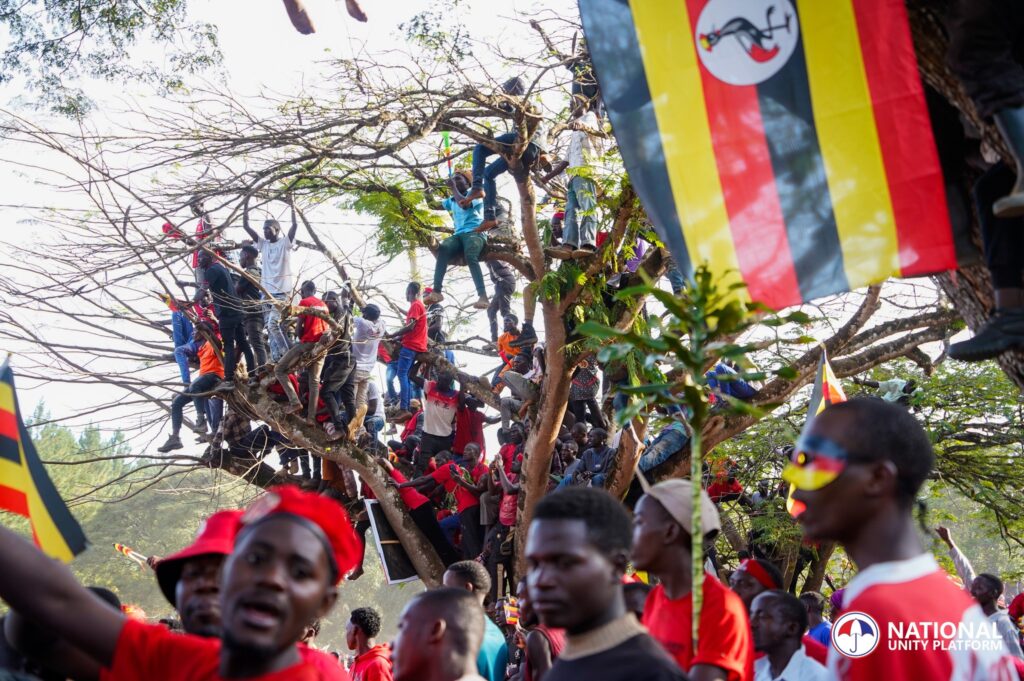
With the general election just months away, political temperatures continue to rise. Bobi Wine’s message in Luweero signals that land justice, historical memory, and economic fairness will be key battleground issues. As Uganda approaches 2026, Luweero—once the cradle of liberation—may again become a defining stage in the nation’s political future.