


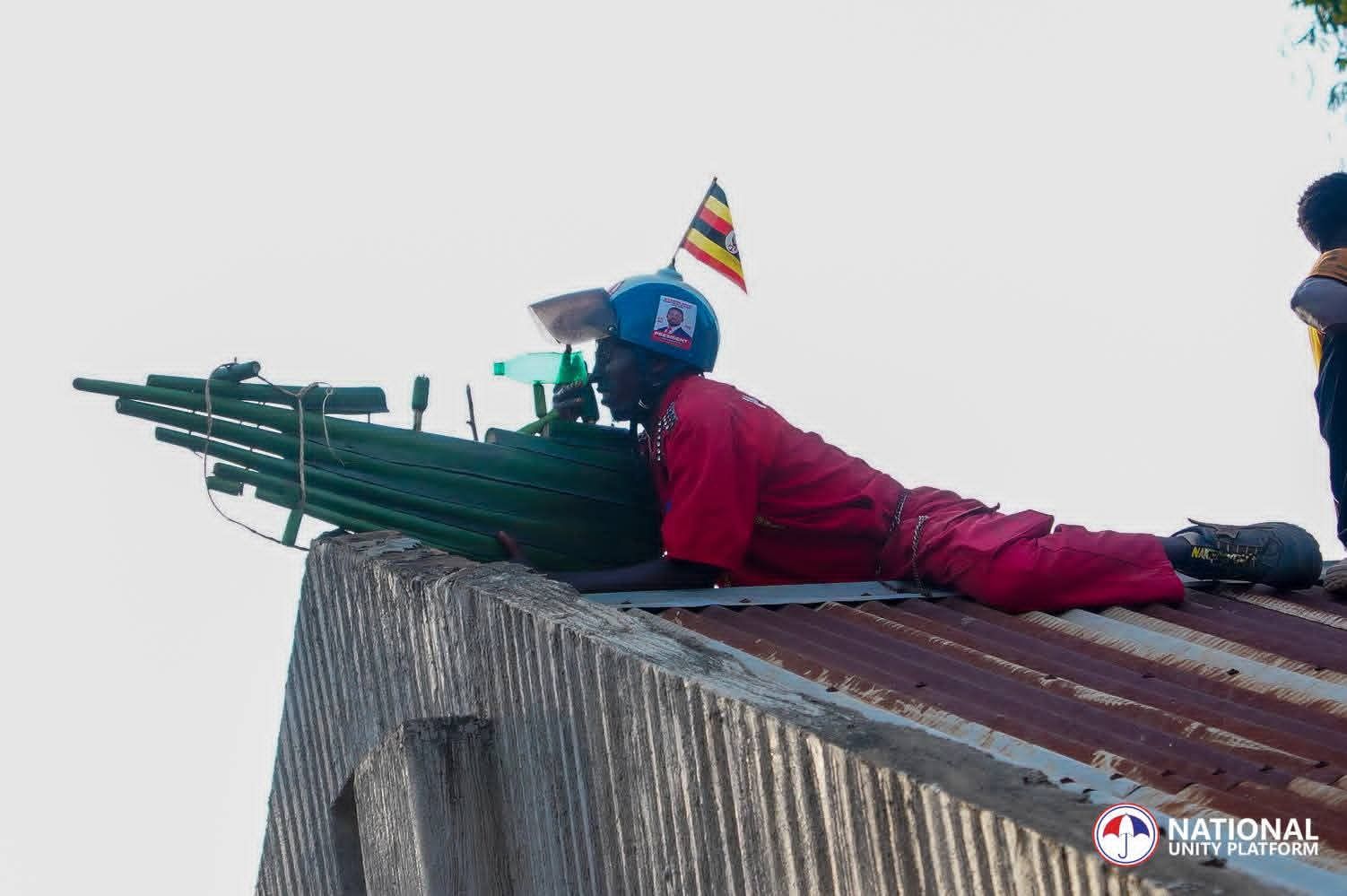
Retired General David Sejusa has sparked a heated online debate after issuing a stern warning to National Unity Platform (NUP) Secretary General David Lewis Rubongoya over a video in which young supporters were seen mimicking armed soldiers using improvised toy guns. This incident led to Sejusa rebuking Rubongoya over toy-gun incident concerns. The situation has highlighted the tensions as Sejusa rebukes Rubongoya over toy-gun incident issues.
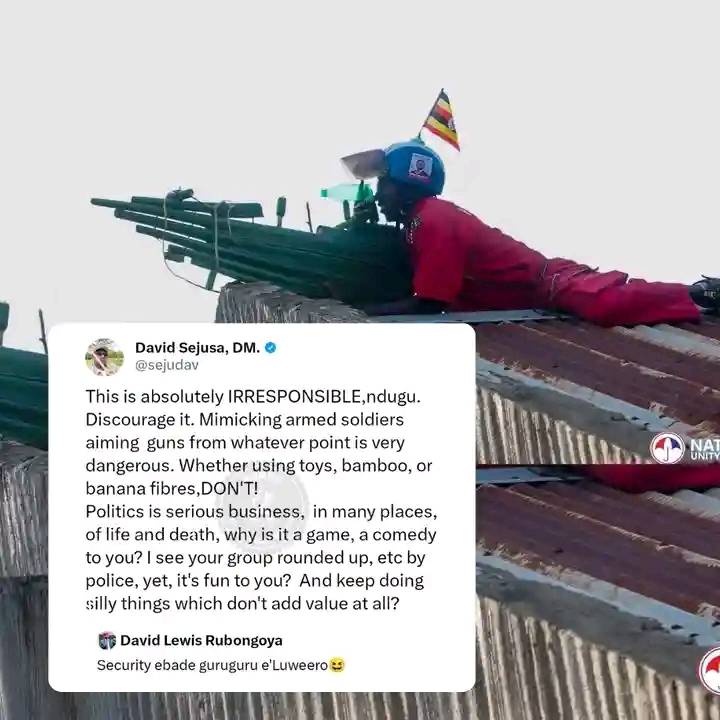
In a sharply worded message addressed to Rubongoya, Sejusa expressed deep concern over what he described as “absolute IRRESPONSIBLE” behavior from the group.
“This is absolute IRRESPONSIBLE, ndugu. Discourage it. Mimicking armed soldiers aiming guns, from whatever point, is very dangerous. Whether using toys, bamboo, or banana fibres, DON’T,” Sejusa wrote.
“Politics is a serious business. In many places it is a matter of life and death. Why is it a game, a comedy to you? I see your group rounded up by Police, yet it’s fun to you? And you keep doing silly things which don’t add value at all?”
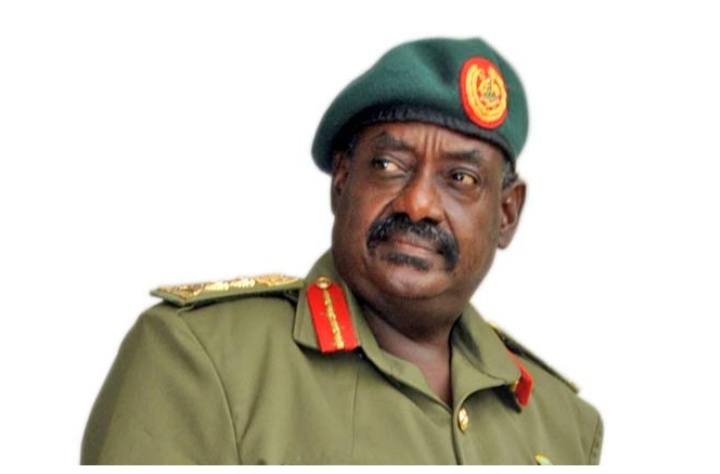
The former spymaster insisted that even playful imitation of armed combat carries consequences in a tense political environment like Uganda, where security forces remain on constant alert.
His comments immediately ignited discussion among supporters and critics alike, with many agreeing that political actors should avoid escalating tensions—yet others questioned the selective nature of Sejusa’s outrage.
Critics Ask: Why Condemn Toy Guns But Stay Silent on Police Misconduct?
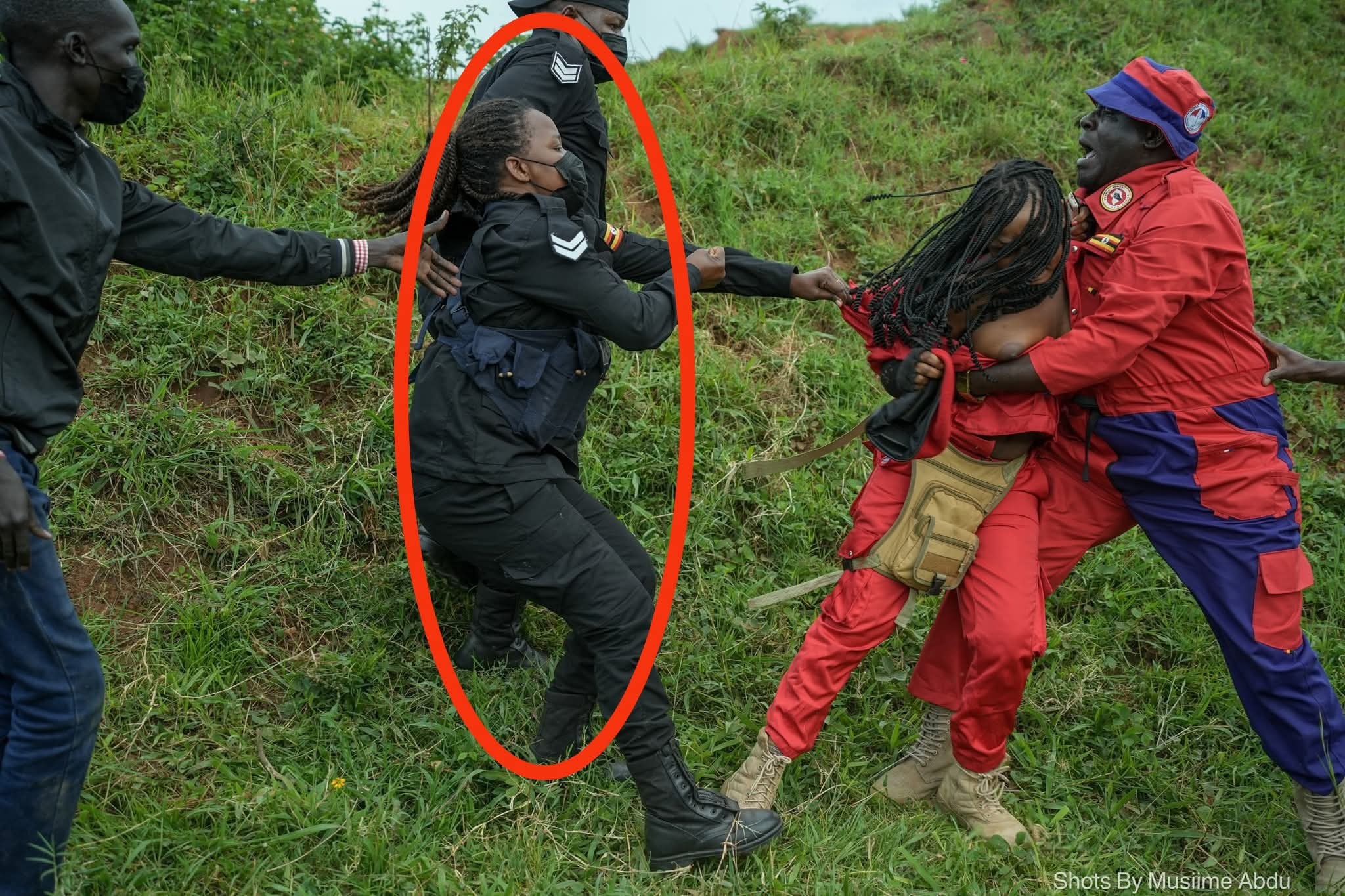
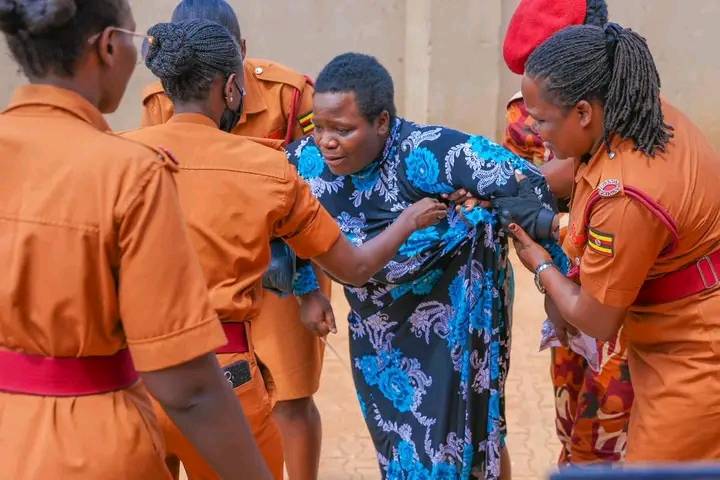
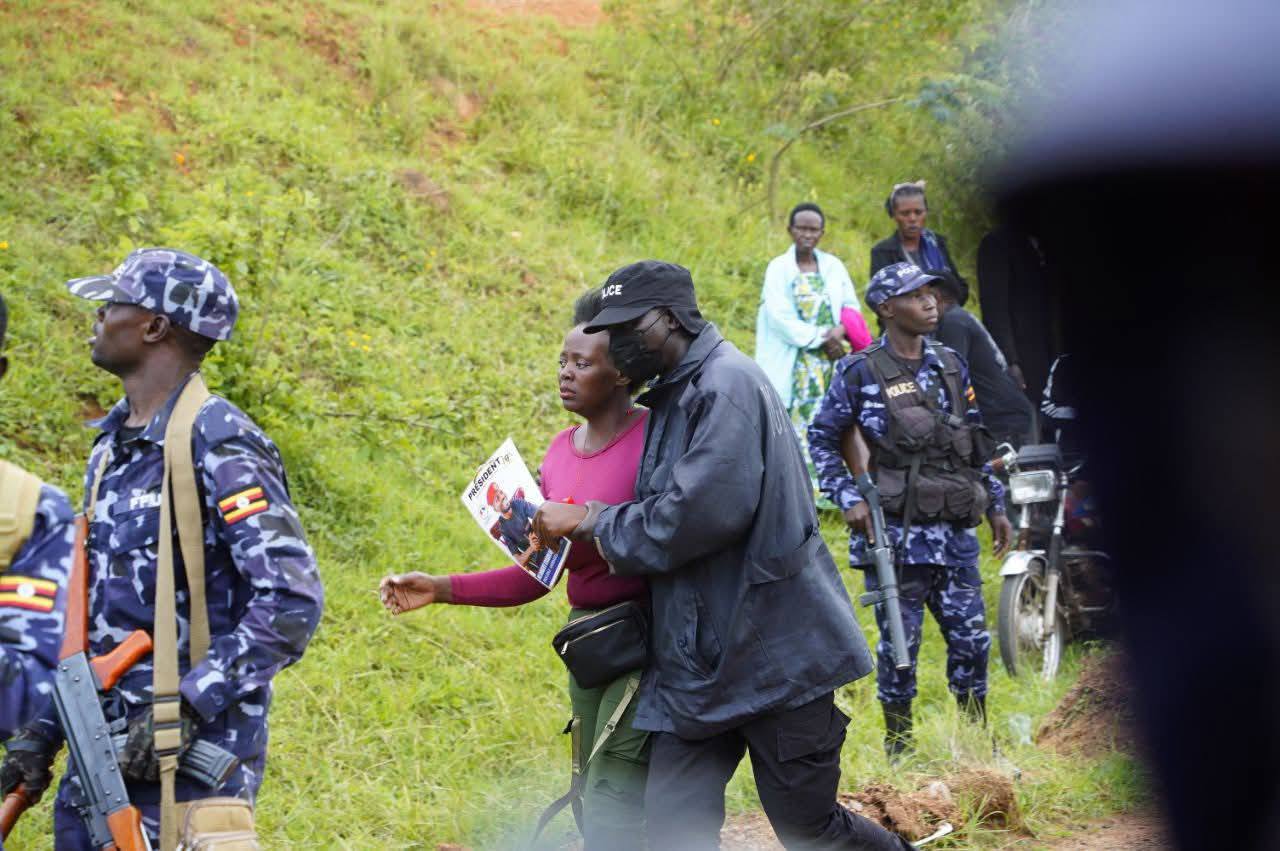
While Sejusa’s rebuke captured public attention, a wave of responses surfaced online wondering why the outspoken general—once known for calling out state excesses—had not shown the same urgency in condemning security forces accused of assaulting and unlawfully detaining opposition supporters.
Some Ugandans asked why Sejusa appeared animated about a childlike skit involving toy guns, yet had remained publicly muted on documented incidents of police brutality, illegal arrests, and violent crackdowns on political gatherings.
One critic put it bluntly:
“General Sejusa sees supporters mimicking soldiers and immediately roars. But when police break the law, beat unarmed citizens, or fire tear gas into crowds, he is silent. Why speak loudly about a toy gun and stay quiet when real guns harm real people?”
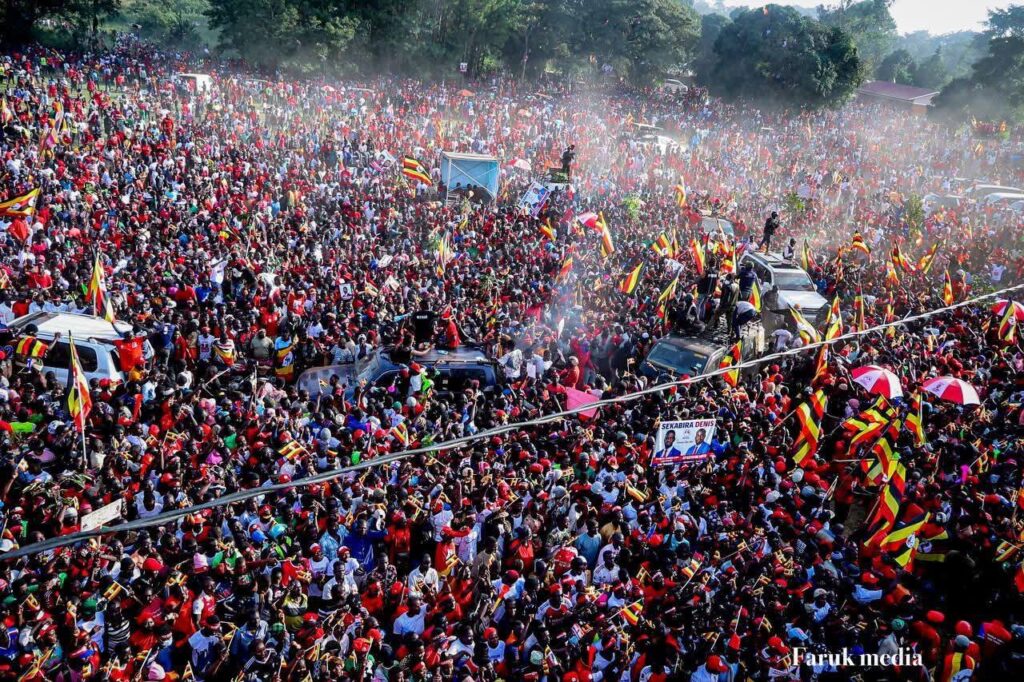
This sentiment echoed through multiple posts, suggesting that while Sejusa’s caution was understandable, the imbalance in his public commentary raised deeper questions about the role of senior retired officers in safeguarding democratic norms.
Rubongoya Responds Calmly
Rubongoya, known for maintaining diplomatic tone even in heated exchanges, responded by explaining that the incident involved youths “playing harmlessly” and that the video had been misunderstood. He emphasized the importance of focusing on issues of governance, justice, and the rule of law rather than dramatizing harmless amusement.
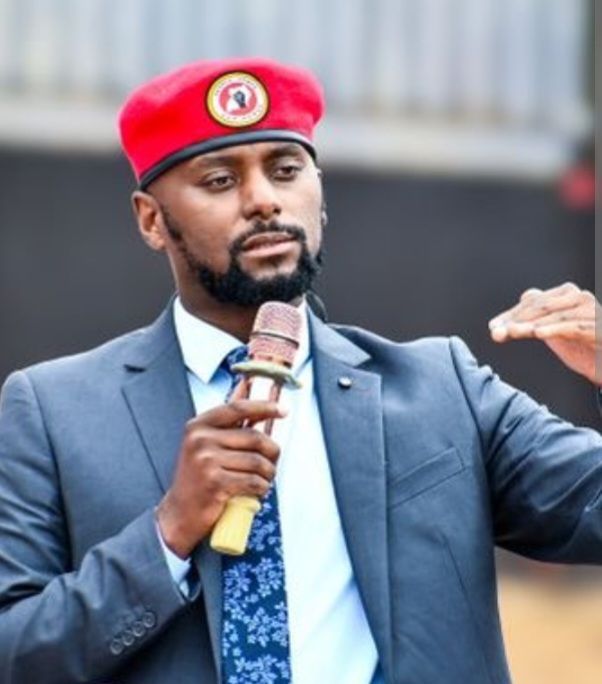
Observers noted that the exchange highlighted two distinct political cultures: Sejusa’s security-first worldview rooted in decades within the military establishment, and Rubongoya’s political-organizing perspective shaped by civic mobilization and youthful engagement.
Underlying Tensions in Ugandan Politics
The conversation has exposed once again the widening gap between Uganda’s old guard and the rising generation of political actors who rely more on creativity, symbolism, and online engagement than on traditional methods of political expression.
It also underscored the ever-sensitive relationship between civilians and security forces, particularly as the 2026 electoral season intensifies and any gesture—however innocent—can be interpreted through a security lens.
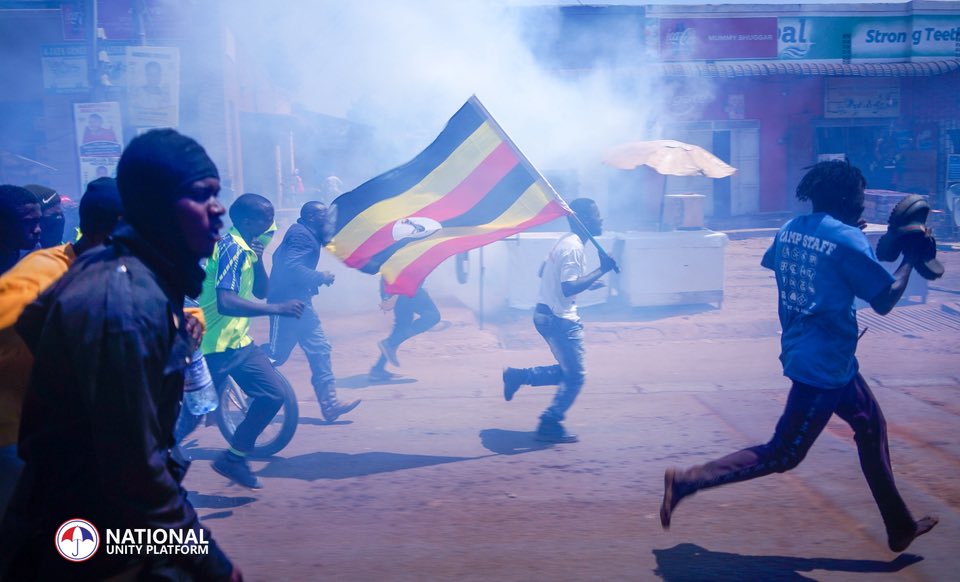
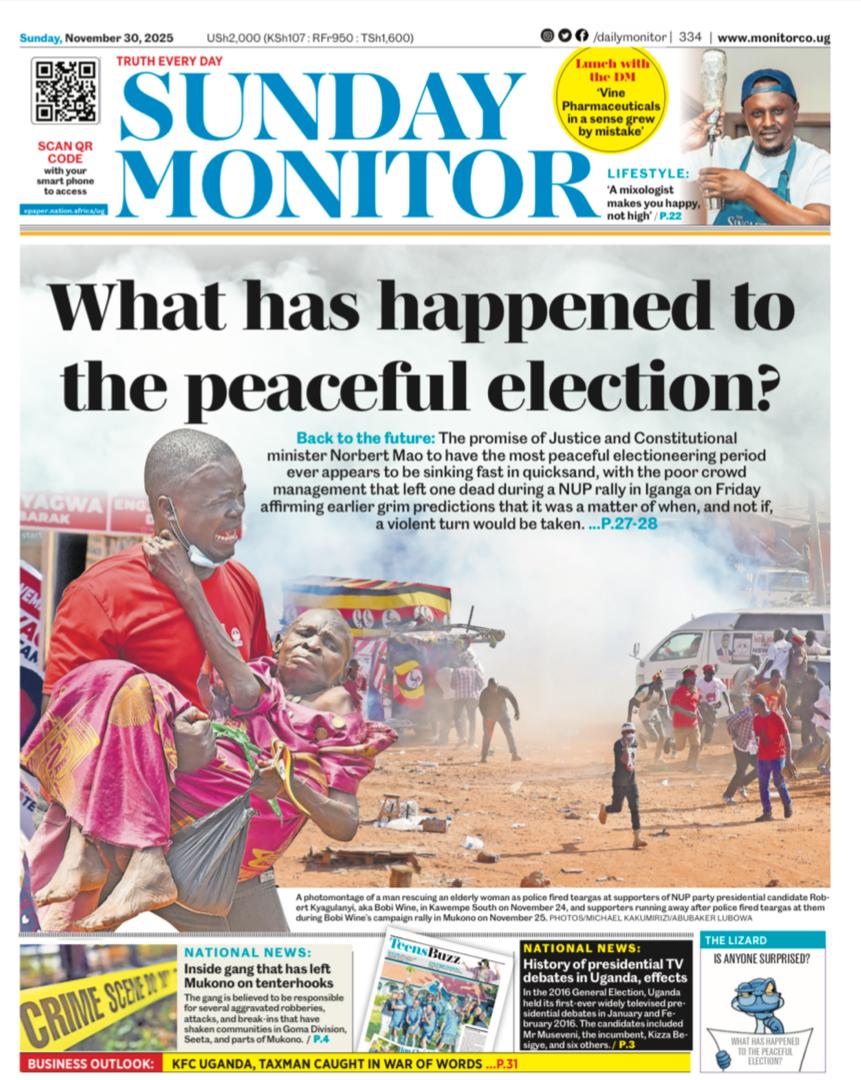
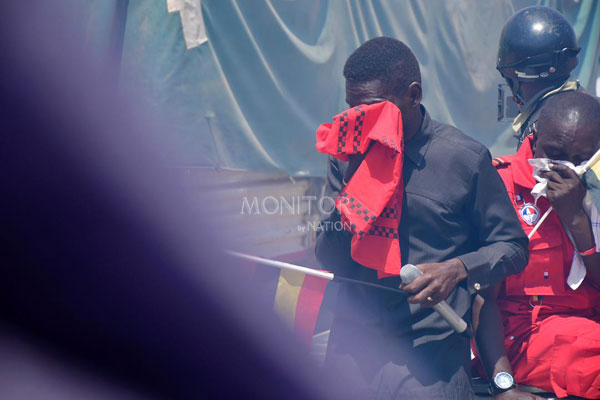
What remains clear is that the debate has become larger than the toy-gun video itself: it is about who gets criticized, for what, and why. And as questions continue to emerge about state violence, selective outrage, and the responsibilities of senior national figures, Sejusa’s remarks have opened a conversation that is unlikely to fade soon.