


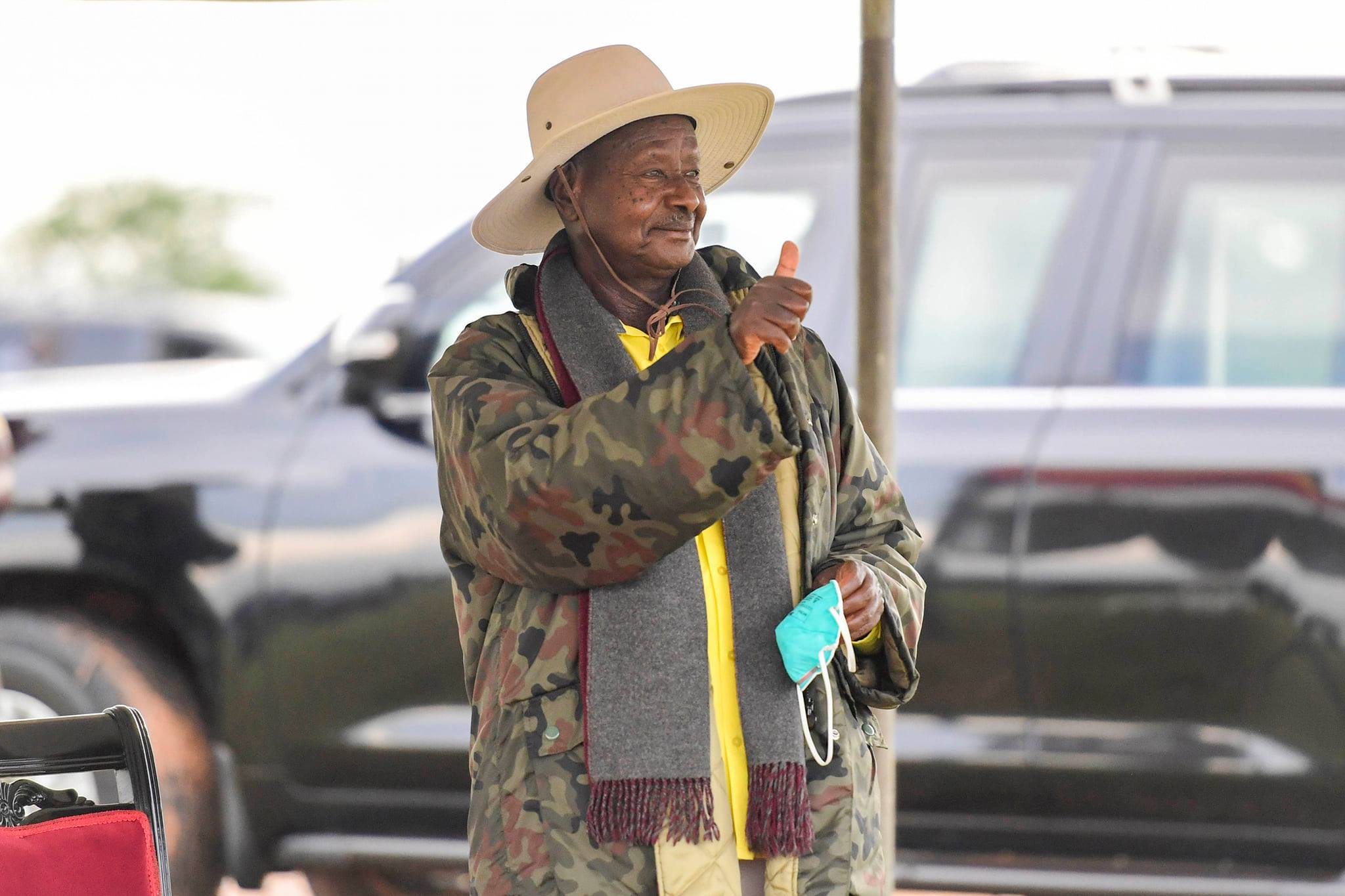
“We would not be happy with that type of lack of appreciation” Those were President Yoweri Museveni’s words—part warning, part lament, part lecture—delivered to the people of Lango as he revisited the familiar script of wars fought four decades ago. According to him, Ugandans must remember who cleared Ojuku, who handled Kony, who sorted out Lakwena, and who confronted cattle rustlers—and therefore think twice before “playing around with Uganda.”
But the question that immediately rises, almost begging to be asked is:
How much, exactly, do Ugandans owe Museveni for events that happened in the mid-1980s?
Because if every national challenge, every election cycle, and every political argument must still begin with “Remember what I did in 1986,” then Uganda is stuck in a time loop—one in which progress is measured not by institutions but by gratitude owed to a single man.
The Dangerous Currency of Eternal Debt
Museveni’s statement implies that Ugandans must remain perpetually indebted, perpetually grateful, and perpetually obedient because the regime once defeated warlords. But is peace something Ugandans must pay for forever?
Museveni speaks as though national peace is a personal favour—like he signed a private contract with the entire country, and citizens must spend their lives repaying him through political loyalty.
Yet, ironically, nearly 40 years later, the beneficiaries of this “peace dividend” appear to be the same tight family circle at the top. If the nation is forever in debt, who is collecting the interest? Certainly not the ordinary farmer in Lango still waiting for better roads, functioning hospitals, or fair elections.
If the Wars Never Benefitted Him, Why Is His Entire Household on the State Payroll?
This is where it becomes impossible not to laugh at the irony.
Museveni insists he fought for peace, not profit. He insists he owes nothing and wants nothing in return except eternal praise and unchallenged political authority.
But then Ugandans look around and notice that:
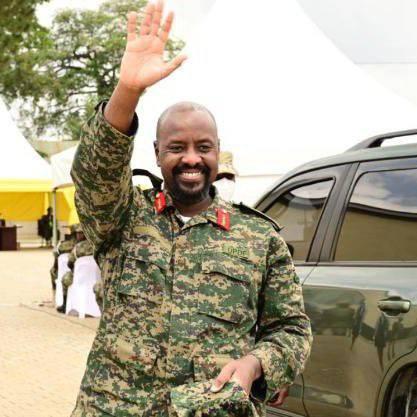
His son is a four-star general and the de facto heir apparent.
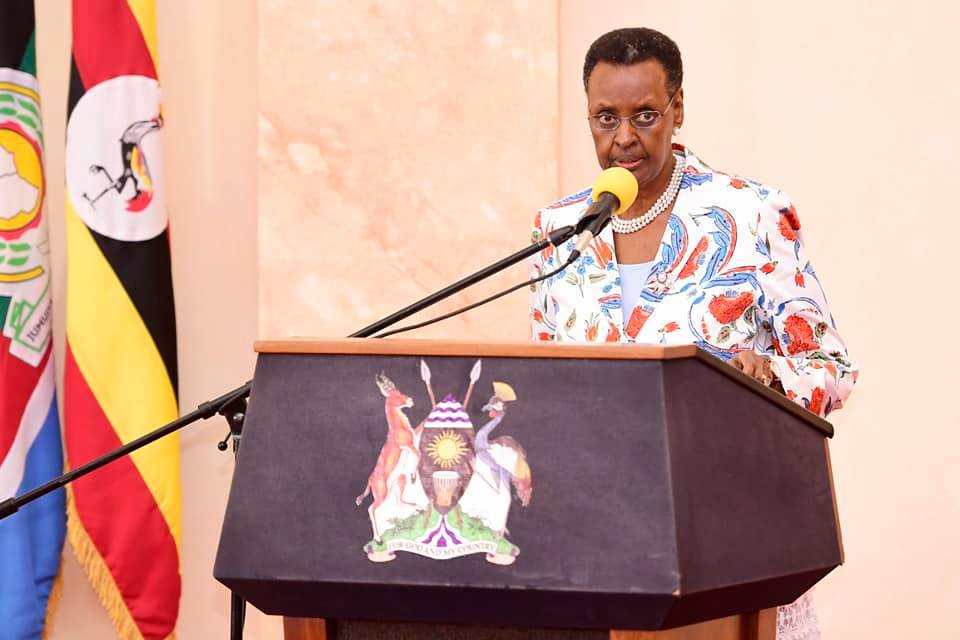
His wife is a minister.
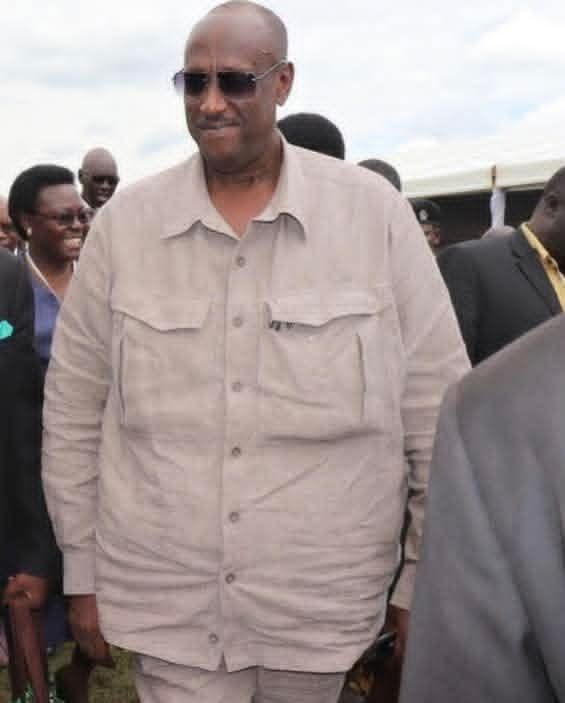
His brother, in-laws, and inner circle are woven into government structures like permanent fixtures.
- Key sectors—from security to state finances—feature familiar names with familiar DNA.
If this is what “not benefitting from war” looks like, one wonders what actual benefitting would resemble.
This raises an unavoidable question—one Ugandans whisper daily:
Did Ugandans fight to free themselves from warlords, or did they inherit a ruling family so deeply entrenched in state power that questioning it is treated like national betrayal?
Peace Should Not Be Held Hostage
Museveni’s argument reduces Ugandans to tenants living in his house, allowed to stay only on condition that they never forget who fixed the leaking roof in 1986. If they dare to vote differently, he implies, they are ungrateful children.
But Uganda is not a family estate.
Uganda is a republic.
Peace is not a presidential donation.
And national appreciation cannot be leveraged as a political debt collector.
Ugandans Already Paid Their Debt — Through Taxes, Service, and Sacrifice
The truth is simple: Uganda’s peace was not secured by one man. It was secured by thousands of Ugandans—fighters, communities, mothers, taxpayers, peace initiators, stabilisers, and ordinary people who lost more than Museveni ever acknowledges.
If anything, Ugandans have already paid:
- With their lives during conflict
- With their taxes since 1986
- With their votes—sometimes freely, sometimes under pressure
- With their patience in the face of corruption and militarised politics
So the real question is not how much Ugandans owe Museveni.
The question is:
How much does Museveni owe Ugandans after 40 years in power?
And more importantly…
When will he stop demanding applause for a war whose spoils increasingly appear to benefit a small circle wearing the same surname?




Museveni is a curse to Uganda east Africa and Africa at-large. I have never seen of a greedy man in 90s.