


Date: January 3, 2026
By Pearl of Africa News Reporter
KAMPALA — Uganda’s human rights community and opposition political leaders have strongly condemned the detention of prominent governance activist Dr. Sarah Bireete. They describe her arrest as unconstitutional. It is viewed as a dangerous escalation in the shrinking civic space ahead of the January 15, 2026 general elections.
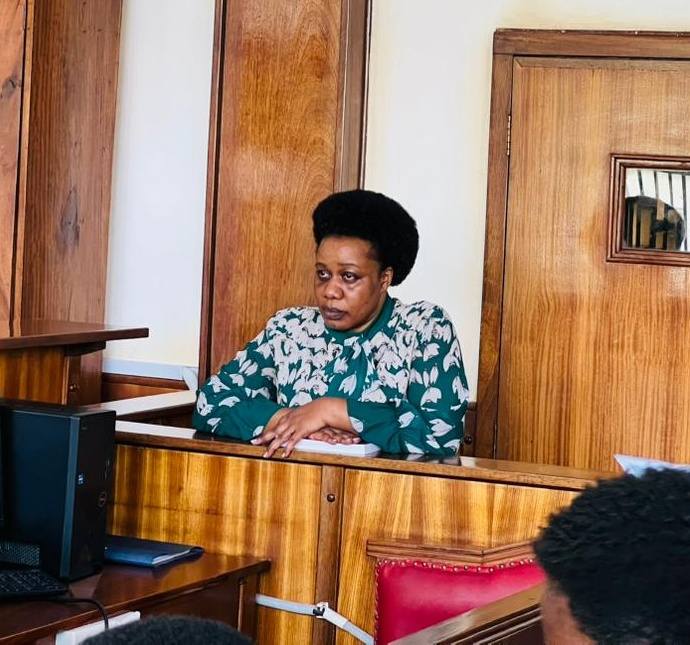
Dr. Bireete, a respected lawyer and Executive Director of the Centre for Constitutional Governance, was arrested late last month. She was later remanded to prison following charges linked to the alleged unlawful access and use of voter data. Her detention has sparked widespread outrage among civil society organisations, legal experts, and opposition politicians. They argue that the manner and timing of her arrest raise serious constitutional and political concerns.
Pull Quote:
“This detention is not just about one individual; it is about the survival of constitutionalism and the rule of law in Uganda,” a coalition of rights groups said in a joint statement.
Rights Groups Sound the Alarm
Human rights organisations say Dr. Bireete was held beyond the constitutionally permitted period before being formally charged. They describe this as a clear violation of personal liberty protections enshrined in Uganda’s Constitution. They argue that the state’s actions undermine due process. Moreover, it creates fear among civil society actors involved in governance, accountability, and election observation.
Legal advocates note that Dr. Bireete has, for years, worked openly with communities, institutions, and international partners on constitutional literacy and democratic governance. They question why such activities are now being framed as criminal at a politically sensitive moment.
Pull Quote:
“Criminalising civic engagement sets a dangerous precedent and erodes public trust in state institutions,” one senior human rights lawyer warned.
Several organisations have demanded her immediate release or, at minimum, the granting of bail. They insist that continued detention sends a chilling message to activists and citizens seeking to participate peacefully in public affairs.
Kyagulanyi Ssentamu Speaks Out
Opposition leader Robert Kyagulanyi Ssentamu, popularly known as Bobi Wine, was among the first political figures to publicly condemn Dr. Bireete’s detention. In a strongly worded statement, Kyagulanyi described the arrest as part of a broader pattern of intimidation. This pattern is aimed at silencing voices critical of the government.
Pull Quote:
“Every election cycle, the regime targets civil society leaders, journalists, and human rights defenders to instill fear and suppress truth,” Kyagulanyi said.
He argued that Dr. Bireete’s case reflects growing intolerance for independent oversight. He warned that targeting election and governance activists threatens the credibility of the upcoming polls. Kyagulanyi called on security agencies to respect constitutional limits. Moreover, he urged Ugandans to remain vigilant and peaceful in the face of what he described as systematic repression.
Other Opposition Voices Join In
Other opposition leaders echoed Kyagulanyi’s concerns. They framed Dr. Bireete’s detention as a national issue rather than an isolated legal matter. Several opposition MPs and party officials said the arrest reinforces fears that the political environment is being deliberately tightened. This aims to weaken scrutiny and discourage citizen participation.
One opposition figure described the arrest as “a warning shot” to civil society organisations involved in voter education and election monitoring.
Pull Quote:
“When those who defend the Constitution are treated as criminals, the entire nation is at risk,” the opposition leader said.
Opposition parties have also raised concerns that continued arrests of activists could inflame tensions and undermine confidence in the electoral process. This is especially concerning at a time when calm and transparency are most needed.
Government Position and Legal Debate
Government officials and security agencies maintain that Dr. Bireete’s arrest is a lawful matter. They insist that no individual is above the law. Authorities argue that data protection and national security considerations must be enforced, even during election periods.
However, legal scholars point out that enforcing the law must still comply with constitutional safeguards. These include the right to timely court appearance, bail, and fair treatment.
“The issue is not whether laws exist, but whether they are applied fairly, proportionately, and without political influence,” said a constitutional law expert.
The debate has reignited broader questions about the balance between security, data protection, and fundamental freedoms in Uganda’s evolving legal landscape.
Impact on Civic Space and Elections
Dr. Bireete’s detention has amplified concerns about the safety and independence of civil society groups ahead of the elections. Rights groups fear that intimidation of prominent activists could discourage others from participating in election observation, voter education, and governance advocacy.
International observers and local analysts warn that a climate of fear may weaken public confidence in the electoral process and fuel post-election disputes.
Pull Quote:
“Free and fair elections require free citizens, free voices, and free civic actors,” a civil society leader noted.
A Defining Moment
As Uganda enters the final stretch before the polls, the case of Dr. Sarah Bireete has become a powerful symbol. This represents the broader struggle over democratic space, rule of law, and accountability. Whether her detention will be resolved through legal processes or continued confrontation remains to be seen.
What is clear is that her arrest has unified rights groups and opposition figures in rare consensus. This has placed renewed focus on constitutional protections at a critical moment in the country’s political journey.
For many Ugandans, the outcome of this case will signal not only how the state treats its critics, but also how firmly the Constitution stands when tested under political pressure.