


Date: January 6, 2026
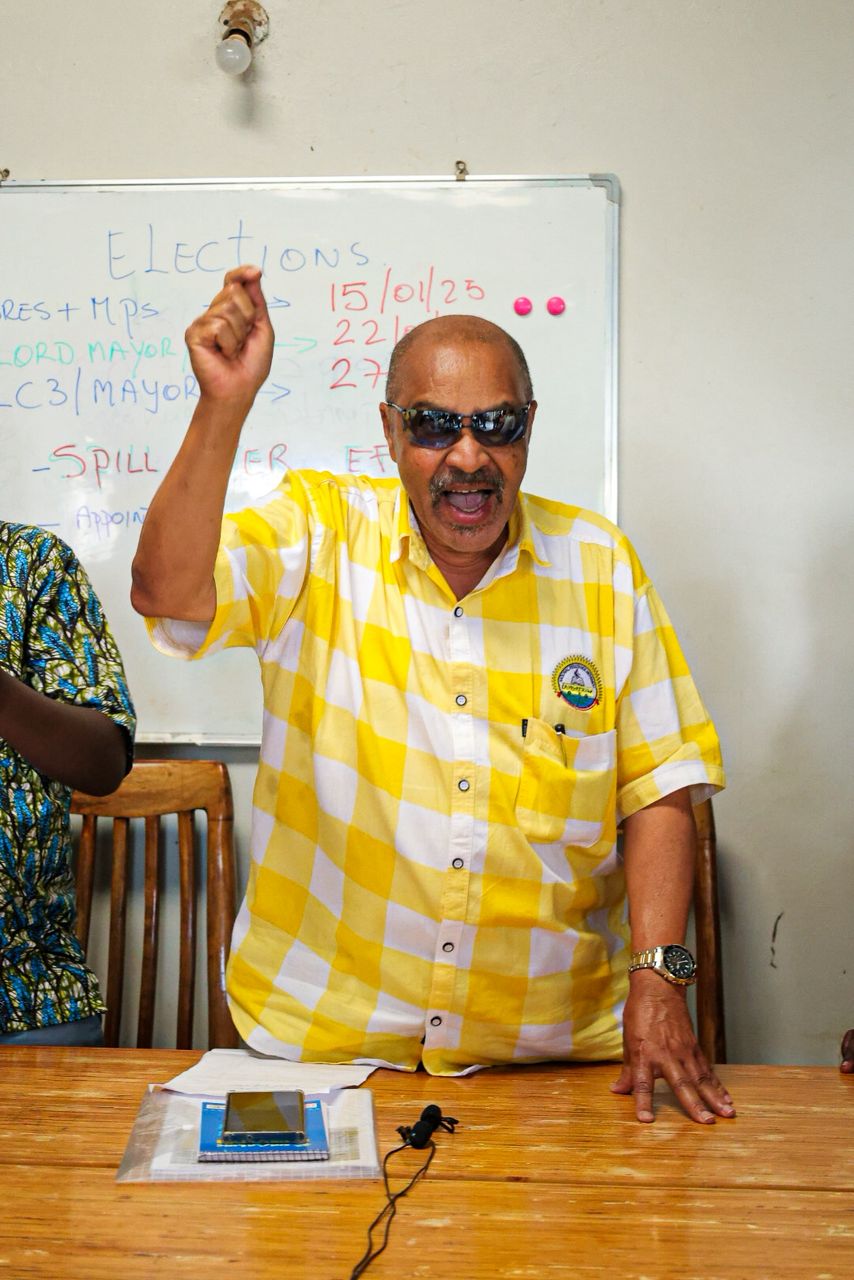
By: The Pearl of Africa News Desk: – In a significant political development, Omari Yasin declared unopposed Makindye mayoral race, marking a notable moment in the region’s electoral history.
Makindye Division woke up to political shock and disbelief. This occurred after the Electoral Commission (EC) announced that National Resistance Movement (NRM) candidate Omari Yasin had been declared unopposed in the race for Makindye Division Mayor. This followed the denomination of 11 other aspirants who had earlier expressed interest in contesting for the same seat.
The announcement, made on Monday at the Makindye Division Electoral Commission offices, has since triggered widespread debate across Kampala’s political circles. Many residents and opposition supporters describe the development as “unprecedented” and “deeply troubling” for Uganda’s democratic process.
A Race That Never Was
According to the EC, a total of 12 individuals had initially picked nomination forms to contest for the powerful mayoral seat in Makindye Division. However, during the official nomination exercise, 11 aspirants were disqualified for failing to meet the commission’s nomination requirements. This left Omari Yasin as the sole validly nominated candidate.
As a result, the EC invoked provisions of the electoral laws. These laws allow a candidate to be declared unopposed when no other eligible contender successfully completes the nomination process.
“All other candidates failed to meet the minimum requirements as stipulated by the law, leaving Mr. Omari Yasin as the only duly nominated candidate,” an Electoral Commission official stated.
The decision effectively hands Yasin a victory without a single vote being cast. This scenario has fueled both celebration within NRM ranks and anger among opposition groups.
Questions, Suspicion, and Public Outcry
Shortly after the announcement, social media platforms were flooded with reactions from Makindye residents. Political commentators questioned how 11 candidates from different political backgrounds could all fail nomination at the same time.
Several of the disqualified aspirants alleged procedural irregularities. These include late communication of requirements, alleged intimidation, and selective enforcement of nomination rules.
“This is not about paperwork. This is about closing political space and denying the people of Makindye a choice,” said one of the affected aspirants who asked not to be named for fear of reprisals.
Civil society organisations and election observers have also weighed in. They warn that such incidents risk eroding public trust in electoral institutions.
NRM Celebrates, Opposition Cries Foul
Within the NRM camp, the mood was celebratory. Party officials hailed Omari Yasin’s unopposed declaration as a sign of growing confidence. It reflects the ruling party’s leadership and grassroots mobilisation in Makindye.
“The people of Makindye already know who can deliver. This outcome reflects the strength of our structures on the ground,” an NRM spokesperson said.
However, opposition parties described the outcome as a “mockery of democracy”. They argue that the EC’s actions reinforce long-standing accusations of bias in favor of ruling party candidates.
Political analysts note that Makindye Division has historically been a competitive political battleground. This makes the absence of a contest particularly striking.
What This Means for Makindye
With Omari Yasin set to assume office unchallenged, attention now shifts to governance, service delivery, and accountability. Residents interviewed by The Pearl of Africa expressed mixed feelings. Some welcomed stability, while others lamented the loss of an opportunity. They wanted to debate issues such as unemployment, road infrastructure, sanitation, and youth empowerment.
“We wanted to hear different visions for Makindye. Now we have no choice but to hope the declared mayor works for everyone,” said a resident of Lukuli.
A Sign of the Times?
The Makindye incident adds to a growing list of electoral controversies ahead of the 2026 general elections. It raises broader questions about political competition, institutional independence, and democratic space in Uganda.
As the saying goes, “Wonders shall never end,” and for many Ugandans, the Makindye mayoral outcome has become the latest example of an electoral process that continues to surprise, confuse, and divide public opinion.
Whether this development strengthens governance or deepens public skepticism remains to be seen. For now, Makindye has a mayor—without a vote.