


By The Pearl of Africa Correspondent
Published: January 9, 2026
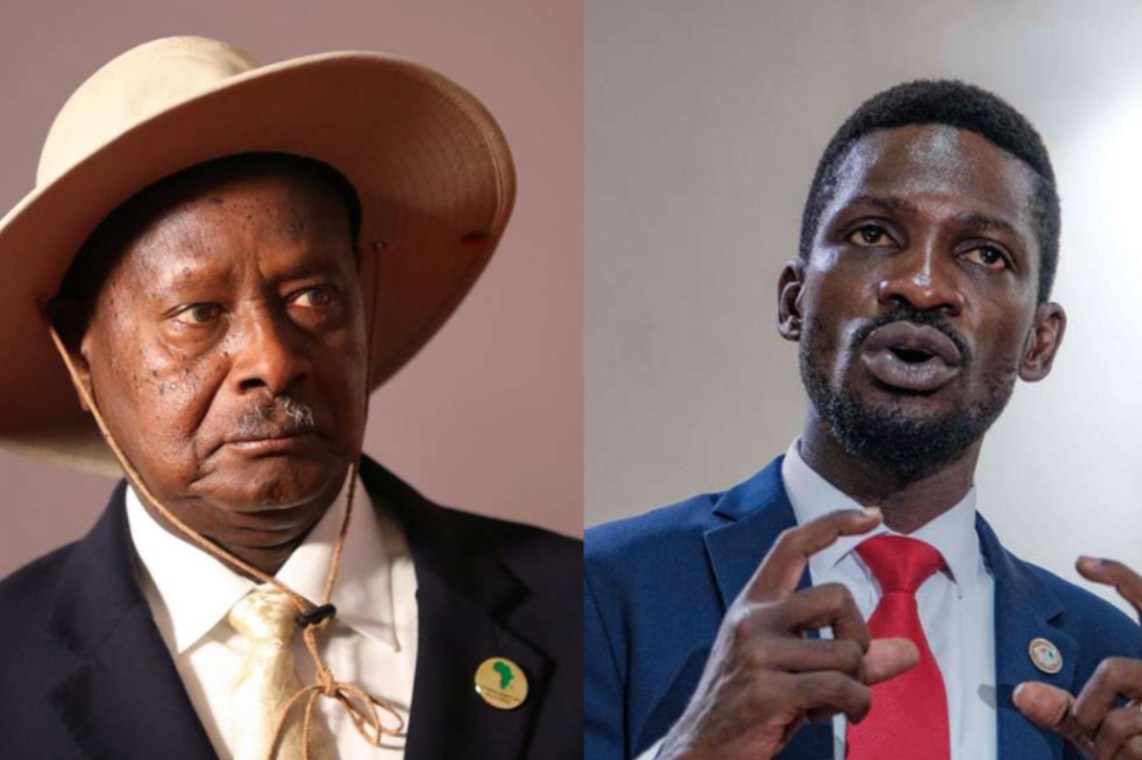
As Uganda edges closer to its next general election, the political temperature is steadily rising. Opposition leader Robert Kyagulanyi Ssentamu—popularly known as Bobi Wine—warns that the polls will be a defining moment for the country’s civil rights and democratic future. Speaking to the nation this week, Bobi Wine framed the upcoming election not merely as a contest for power. He described it as a referendum on freedom, justice, and the right of Ugandans to choose their leaders without fear.
In a nationally circulated statement and remarks to supporters, the National Unity Platform (NUP) leader expressed deep concern. He described shrinking civic space, continued intimidation of opposition voices, and heavy-handed state responses to political dissent.
“This election is not just about who becomes president,” Bobi Wine said. “It is about whether Ugandans can speak freely, assemble peacefully, and vote without violence or intimidation.”
Uganda has held regular elections since the return to multiparty politics. Yet each cycle has been marred by allegations of human rights abuses, media restrictions, and the arrest of opposition figures. Human rights organisations, both local and international, have repeatedly raised red flags over the conduct of security agencies during election periods.
Bobi Wine, himself a former presidential candidate and sitting Member of Parliament, pointed to past experiences as evidence. He believes the country stands at a crossroads. He recalled incidents during previous elections where rallies were blocked, journalists assaulted, and supporters detained without charge.
“We have seen journalists beaten, citizens tear-gassed, and candidates arrested for simply addressing their supporters,” he noted. “That is why this election is a true test of our civil rights.”
The opposition leader also called upon the Electoral Commission to demonstrate independence and professionalism. He urges it to act as a neutral referee rather than an extension of state power. According to Bobi Wine, public confidence in the electoral process can only be restored if all candidates are treated equally and the rule of law is respected.
Political analysts say Bobi Wine’s message resonates strongly with Uganda’s youthful population. Many of these individuals are first-time voters frustrated by unemployment, corruption, and limited political freedoms.
“Young people want dignity and a voice,” he said. “They are tired of being treated as a threat instead of the future of this nation.”
The government, on its part, has consistently defended its record. It argues that security measures during elections are necessary to maintain law and order. Officials have dismissed opposition claims as exaggerated and politically motivated.
However, civil society groups argue that stability should not come at the expense of constitutional rights. Several organisations have announced plans to deploy election observers and legal aid teams ahead of polling day, expected later this year.
As the campaign season unfolds, all eyes will be on how authorities handle political competition, public assemblies, and the media. For many Ugandans, the stakes go beyond party politics.
“History will judge us by what we do in this moment,” Bobi Wine concluded. “Whether we choose fear or freedom will define Uganda for generations to come.”
With the election drawing nearer, Uganda’s democratic credentials—and its commitment to civil rights—are once again under the spotlight. This makes the vote one of the most consequential in the nation’s recent history.