


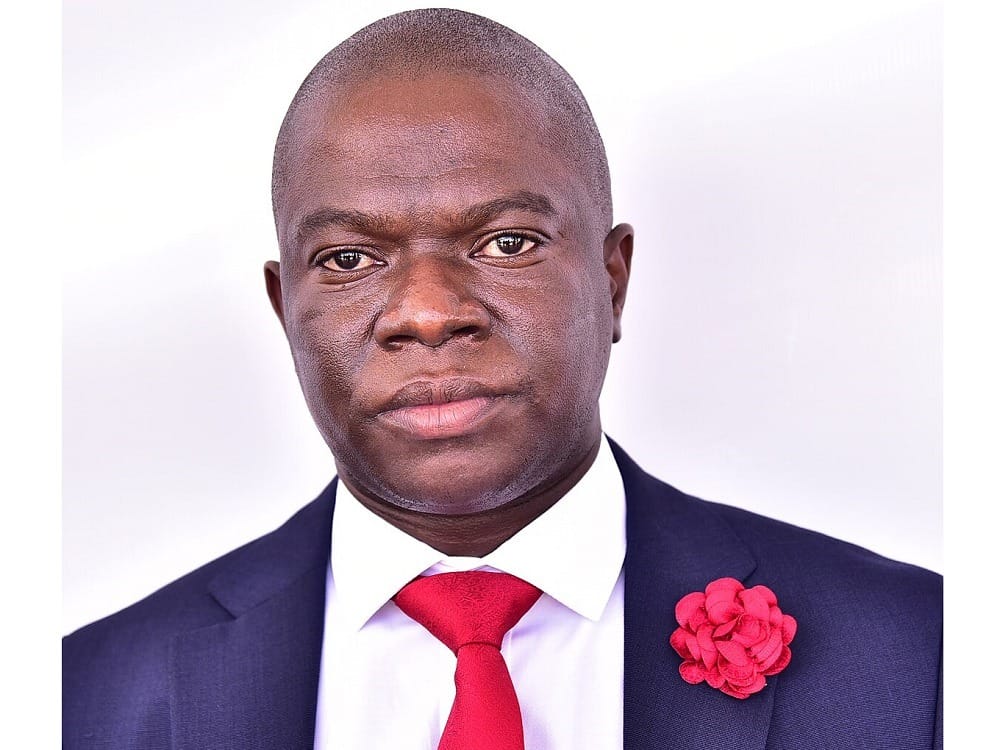
Kampala, Uganda — (Fight on, Mr. Update). Today marks one year since the passing of Hon. Muhammad Ssegirinya, the outspoken Member of Parliament and National Unity Platform (NUP) leader, popularly known as “Mr Update.” One year since Hon. Muhammad Ssegirinya’s death. What the 5 January 2026 Uganda Election means for democracy is still a relevant discussion. His death followed prolonged imprisonment, declining health, and what supporters describe as inhumane treatment without a fair and timely trial. It remains a painful reminder of the human cost of political repression in Uganda. As we reflect on one year since Hon. Muhammad Ssegirinya’s death, the 5 January 2026 Uganda election looms on the horizon. This raises questions about what it means for democracy in the country.
As the country pauses to remember a fallen comrade, the nation also stands on the threshold of a decisive moment — the general election scheduled for 5 January 2026. For many Ugandans, one year since Hon. Muhammad Ssegirinya’s death and what the 5 January 2026 Uganda Election means for democracy are inseparable parts. These form the urgent questions surrounding justice, democracy, and the future of political freedom.
“We did not lose just a Member of Parliament — we lost a voice for the voiceless.”
A Voice Born from the Ghetto
Hon. Ssegirinya rose from humble beginnings to national prominence through his fearless engagement with ordinary citizens. Long before entering Parliament, he was known for his blunt, street-level communication. He was relentless in exposing social injustice. His election as MP for Kawempe North symbolized hope for thousands of urban poor youth. They saw in him a leader who spoke their language and understood their struggles.
In Parliament, he remained unapologetically vocal, often challenging state excesses and demanding accountability. That courage, supporters say, came at a heavy price. One year since Hon. Muhammad Ssegirinya’s death and what the 5 January 2026 Uganda Election means for democracy are critical points of reflection.
Detention, Declining Health, and Unanswered Questions
Ssegirinya’s prolonged detention without trial, coupled with repeated denials of bail, sparked national and international concern. His health visibly deteriorated during incarceration, with repeated hospitalizations under tight security. Even after temporary releases for medical treatment, he never fully recovered.
“Justice delayed is justice denied — and in his case, justice never came.”
When news of his death broke, grief swept through Kawempe North and beyond. Many Ugandans openly questioned whether timely medical care and respect for due process could have saved his life. To date, his supporters maintain that his death was not natural, but rather the result of sustained political persecution.
A Symbol of a Wider Struggle
One year later, Ssegirinya has become more than an individual memory — he is a symbol of the broader struggle for civil liberties in Uganda. His story echoes that of many opposition figures who have faced arrests, intimidation, and prolonged legal limbo.
His death briefly united political rivals in rare moments of consensus about the need for judicial reform, humane detention conditions, and respect for constitutional rights. Yet for many citizens, those promises remain unfulfilled.
“Hon. Ssegirinya died seeking justice — and justice must not die with him.”
The 5 January 2026 Election: A Defining Moment
As Ugandans prepare to vote on 5 January 2026, Ssegirinya’s legacy looms large. This election is widely seen as a referendum on governance, human rights, and the rule of law. One year since Hon. Muhammad Ssegirinya’s death and what the 5 January 2026 Uganda Election means for democracy weighs heavily. For the youth, who form the majority of the electorate, his life and death are a stark lesson in both courage and cost.
Political analysts note that voter apathy and fear coexist with renewed determination among citizens. Many believe meaningful change is still possible. In rallies, homes, and online spaces, Ssegirinya’s name is invoked. It serves as a rallying cry for resilience and unity within the opposition.
“If his voice was silenced, then ours must grow louder at the ballot box.”
Remembering the Man, Renewing the Mission
Commemorations held today across Kampala and other parts of the country were marked by prayers, candlelight vigils, and calls for peaceful political engagement. Supporters described him as a man of humor, humility, and unshakeable belief in people power. One year since Hon. Muhammad Ssegirinya’s death and what the 5 January 2026 Uganda Election means for democracy invokes the need for peace and vigilance.
As Uganda moves toward the polls, the memory of Hon. Muhammad Ssegirinya (Mr Update) challenges the nation to reflect deeply:
Will the 2026 election entrench fear and impunity — or will it honor the sacrifices of those who dared to speak truth to power?
One year on, his absence is deeply felt. But his message endures — that leadership must serve the people, justice must be defended, and freedom must never be negotiated away.
“Comrades may fall, but the struggle for dignity and democracy must continue.”
May the soul of Hon. Muhammad Ssegirinya rest in eternal peace. His legacy now rests in the hands of the Ugandan people.