


Publication Date: 12 January 2026
Newspaper: The Pearl of Africa News
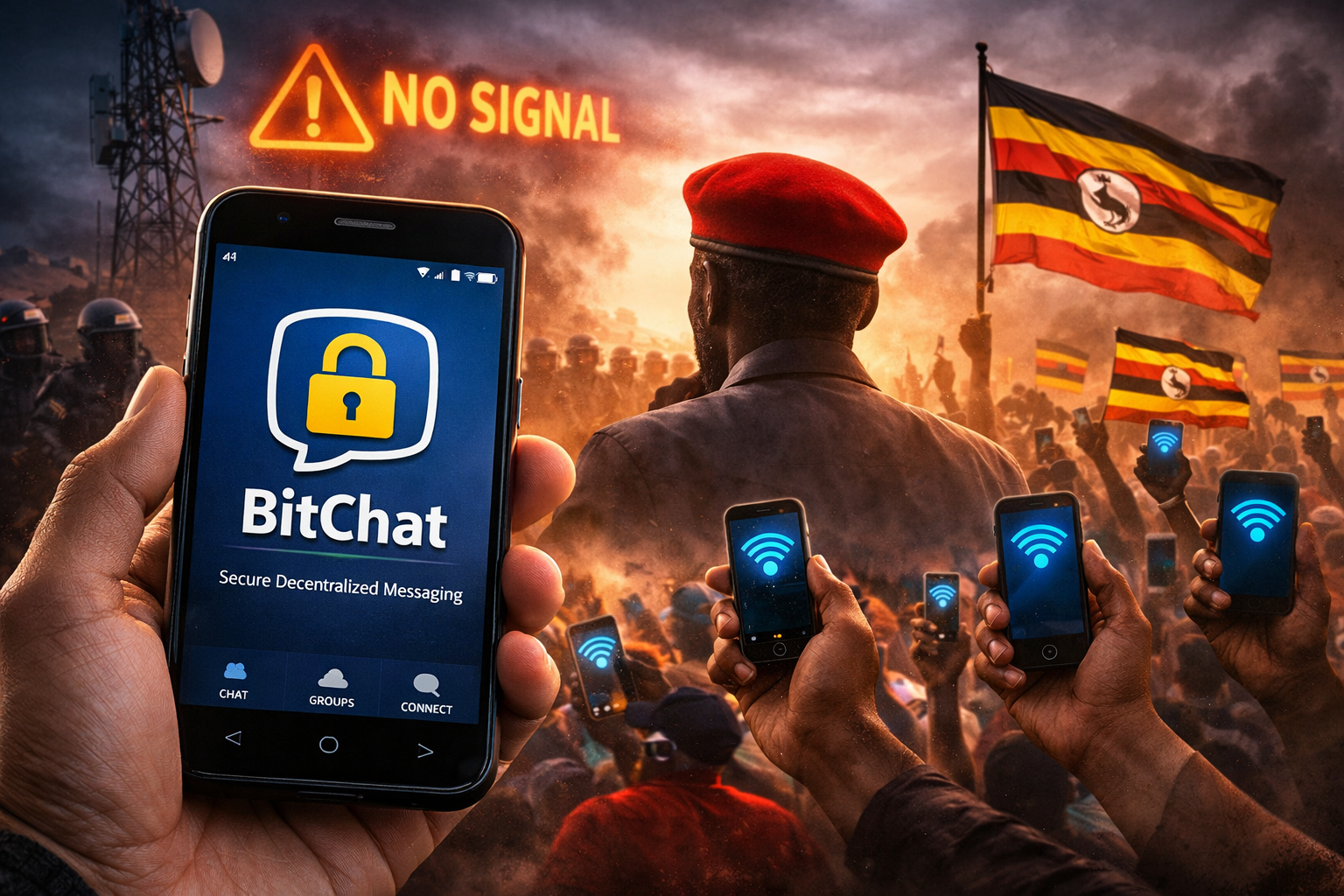
As Uganda edges closer to a decisive moment in its 2026 electoral cycle, concerns over internet and social media restrictions have surged to the forefront of public discourse. Across the country, citizens, civil society actors, journalists, and digital rights advocates are debating the implications of potential online disruptions, warning that limitations on digital communication, such as Uganda’s internet and social media measures, could shape not only the election outcome but also public trust in democratic processes.
Over the past week, discussions on social platforms and in public forums have been dominated by fears of slowed internet speeds, restricted access to social media applications, and the possibility of temporary shutdowns. Uganda’s internet and social media changes are framed by authorities as necessary for maintaining public order and national security. Critics argue that such actions undermine freedom of expression and the public’s right to information.
“In today’s Uganda, the internet is not a luxury — it is a public square where democracy is debated and defended.”
A Digital Lifeline in a Politically Charged Season
For millions of Ugandans, especially the youth, social media platforms have become essential tools for political engagement. Campaign messages, voter education, real-time updates from rallies, and citizen journalism all rely heavily on uninterrupted digital access. However, Uganda’s upcoming 2026 election restrictions on internet and social media may impact urban centers and rural communities alike, where smartphones have replaced traditional town halls as spaces for debate and mobilisation.
The prospect of restrictions has therefore generated widespread anxiety. Small business owners fear disruptions to online trade, journalists worry about the flow of verified information, and ordinary citizens question whether they will be able to communicate freely during critical moments of the election period, especially with anticipated Uganda internet restrictions and social media disruptions during the 2026 elections.
Observers note that digital platforms have also played a key role in exposing misinformation and documenting events on the ground. Limiting access, they argue, risks creating an information vacuum where rumors flourish and verified reporting struggles to reach the public amidst the Uganda-specific internet and social media challenges in the lead-up to the elections.
“When official communication channels dominate without scrutiny, misinformation does not disappear — it multiplies.”
Government Position and Security Concerns
Authorities maintain that any measures affecting internet or social media access are guided by security considerations linked to Uganda’s internet and social media plans for the 2026 elections. Officials have repeatedly cited concerns about the rapid spread of inflammatory content, misinformation, and coordinated online activity that could incite violence or unrest.
From the government’s perspective, regulating digital spaces during sensitive periods is portrayed as a preventive step rather than a punitive one. Supporters of this view argue that responsible use of online platforms is essential to ensure peace and stability, particularly in a politically polarized environment ahead of the 2026 elections and Uganda’s internet and social media changes.
However, critics counter that broad restrictions often fail to distinguish between harmful content and legitimate public discourse. They caution that sweeping measures for Uganda’s internet and social media may inadvertently silence peaceful voices, journalists, and civic educators alongside those spreading falsehoods.
Impact on Media and Journalism
For news organizations, internet restrictions pose both professional and ethical challenges tied to Uganda’s internet and social media landscape during the election period. Modern journalism relies on digital tools for research, fact-checking, publishing, and audience engagement. Any disruption can delay reporting, reduce transparency, and limit the public’s access to diverse viewpoints.
Editors and reporters have expressed concern that restrictions could hinder live reporting and real-time verification, increasing reliance on official statements while limiting independent observation. In such an environment, maintaining editorial independence becomes increasingly difficult given the backdrop of Uganda internet restrictions and social media concerns.
“A free press cannot function in silence; access to information is its oxygen.”
Public Reaction and Civil Society Voices
Civil society organizations and digital rights advocates have urged authorities to adopt a balanced approach with Uganda internet and social media restrictions, safeguarding security without infringing on constitutional freedoms. They emphasize that clear communication, targeted enforcement, and respect for due process are essential to maintaining public confidence.
On the streets and online, citizens have voiced a mixture of frustration and resilience. Many Ugandans recall past election cycles marked by digital disruptions related to Uganda’s internet and social media plans, and express determination to adapt, using alternative platforms and offline networks to share information.
Yet there is a growing sentiment that repeated restrictions risk normalizing limitations on civic space. Analysts warn that Uganda internet and social media measures could have long-term consequences beyond the election, shaping how future generations engage with governance and public accountability.
A Test for Democratic Credibility
As election day approaches, the handling of internet and social media access has become a litmus test for Uganda’s democratic credibility. Transparent policies surrounding Uganda internet and social media restrictions, proportional responses, and open dialogue with stakeholders could help ease tensions and reassure the public.
Ultimately, the debate over digital restrictions reflects a broader struggle over the role of technology in modern governance. Whether seen as a tool for unity or a source of instability, Uganda’s internet and social media considerations remain deeply intertwined with the aspirations of a population eager to participate in shaping its future.
“The measure of democracy in the digital age is not control, but trust.”
As Uganda stands at this critical juncture, the choices made around internet and social media access will resonate far beyond the election period, influencing public confidence, media freedom, and the nation’s democratic trajectory for years to come, influenced by Uganda’s stance on internet and social media restrictions as the 2026 elections loom.