


Winter often brings cravings for warm, hearty meals—but staying healthy doesn’t mean you have to give up comfort food. Here’s a guide to eating well during the colder months while keeping your immune system strong and your energy up.
1. Seasonal Fruits & Vegetables
Choose produce that’s in season during winter for maximum nutrition and flavor.
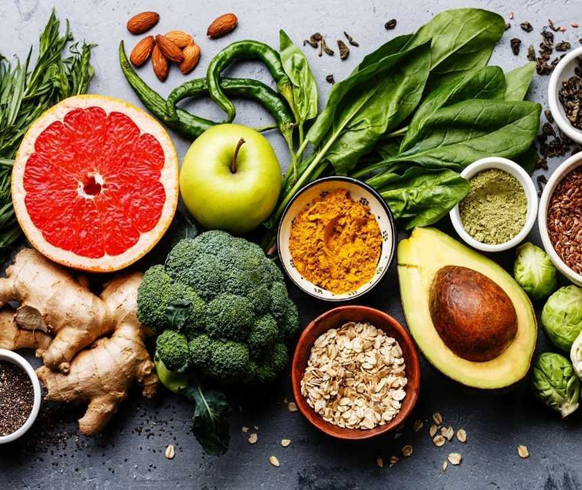
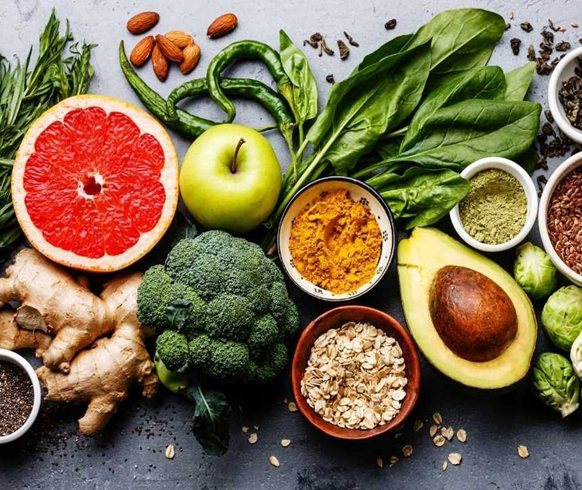
• Vegetables: Kale, spinach, Brussels sprouts, carrots, turnips, sweet potatoes, beets, leeks, and cabbage.
• Fruits: Oranges, grapefruit, mandarins, apples, pears, and pomegranates.
Rich in vitamin C, fiber, and antioxidants—helping boost immunity.
2. Warm, Nourishing Meals
Eat warming meals that provide sustained energy and comfort.
• Soups & stews with lentils, beans, chicken, or root vegetables.
• Curries & stir-fries with immune-boosting spices like garlic, turmeric, and ginger.
• Whole grains like brown rice, quinoa, and oats for slow-burning energy.
3. Healthy Fats
Help keep you full and support brain and hormone function.
• Sources: Avocados, nuts, seeds (like flaxseed and chia), olive oil, and fatty fish (salmon, mackerel, sardines).
• Contain omega-3 fatty acids and support skin health in dry winter weather.
4. Immune-Boosting Foods
Incorporate foods that help fight off colds and flu.
• Garlic, ginger, turmeric, and onions (anti-inflammatory and antibacterial).
• Yogurt or kefir (for probiotics that support gut and immune health).
• Green tea, broth, and citrus fruits for hydration and vitamin C.
5. Stay Hydrated
You may not feel as thirsty in cold weather, but hydration is still essential.
• Drink warm teas (herbal, green, or ginger).
• Sip on broths and eat hydrating fruits like oranges and pears.
• Aim for 6–8 glasses of water daily.
6. Healthier Comfort Foods
Don’t deprive yourself—just make smarter versions.
• Swap white pasta for whole wheat or legume-based pasta
• Bake with whole grain flours and reduce sugar with natural sweeteners (like dates or bananas).
• Try dark chocolate (70%+) for a warm, satisfying treat.