


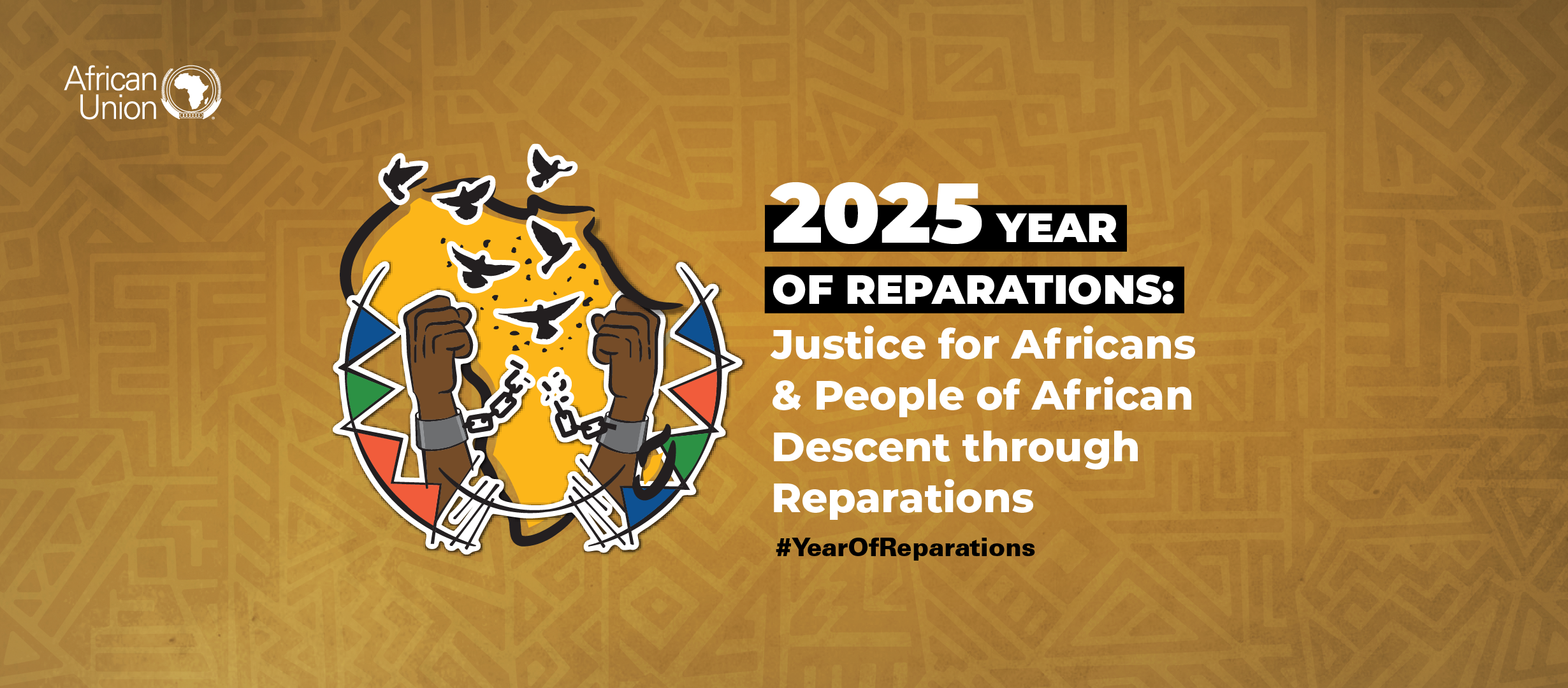
November 7, 2025 – In a significant move, the AU rejects the Tanzania election results, sparking global discussions on the matter.
The African Union election observers have condemned Tanzania’s 2025 general elections, citing widespread irregularities, voter intimidation, and failure to meet democratic standards. Consequently, the AU rejected Tanzania’s election outcome, aligning with these observations. The phrase “AU rejects Tanzania election results” is being echoed across various media outlets.
The African Union (AU) has rejected the outcome of Tanzania’s 2025 general elections, declaring that the vote failed to comply with democratic standards. The AU’s Election Observation Mission said the process was marred by irregularities, restricted political freedoms, and reports of intimidation against opposition parties and voters.
In a statement released on Wednesday, the AU observer team said the Tanzanian elections “did not meet the criteria for free, fair, and credible elections” as outlined in the African Charter on Democracy, Elections and Governance. This statement reinforced the AU’s position on the results.
“The mission observed that the electoral process fell short of key democratic benchmarks, including transparency, inclusiveness, and fairness,” the AU report stated.
The AU urged Tanzanian authorities to undertake urgent electoral reforms and investigate alleged cases of voter suppression, especially in opposition strongholds. Their rejection of the Tanzanian election results calls for immediate attention to these issues. It is clear that AU rejects Tanzania election results based on the evidence presented by the observers.
Independent observers, including regional blocs like the East African Community (EAC), echoed similar concerns, noting incidents of ballot box tampering and security forces being deployed near polling stations. The situation thus confirms that AU rejected the Tanzania election outcome due to significant issues.
“This is not just a national issue — it’s a continental concern for democracy in Africa,” said Dr. Amina Diop, AU Chief Observer.
The Tanzanian government, however, defended the election, calling it “peaceful and legitimate.” A spokesperson for the electoral commission dismissed the AU’s findings as “politically motivated.” Despite this, the narrative that “AU rejects Tanzania election results” continues to dominate public discourse.
Meanwhile, opposition leader Zitto Kabwe welcomed the AU’s stance, urging international partners to “support the will of the Tanzanian people and push for a fresh, transparent election.” This further highlights the AU’s rejection of the Tanzania election process.
Regional and International Reactions:
- The East African Community has called for dialogue between the ruling party and opposition groups.
- Amnesty International and Human Rights Watch have urged Tanzanian authorities to halt the arrests of protesters challenging the results.
- The United Nations expressed concern, emphasizing the need for “inclusive political engagement.” The AU’s rejection of the Tanzania election results intensified the need for such dialogue.
Conclusion:
The AU’s rare public rejection of an election in an East African nation highlights growing concerns over the state of democracy in the region. Whether Tanzania’s government will respond with reform or resistance remains to be seen.