


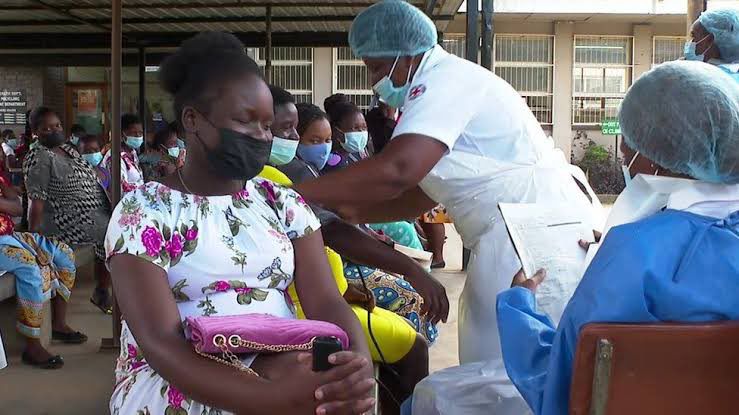
Grassroots digital health project assists migrants in Gauteng and KwaZulu-Natal as reports of healthcare exclusion rise.
Johannesburg, South Africa – November 8, 2025:
A group of 45 Zimbabwean nurses and clinicians living in South Africa have launched a virtual clinic to provide essential medical assistance to immigrants who are reportedly being denied treatment at public health facilities in Gauteng and KwaZulu-Natal.
The initiative, first reported by News24, has already supported more than 600 patients, most of them Zimbabwean migrants who say they were turned away, overcharged, or discriminated against at government hospitals and clinics.
“We built this platform because our people were being turned away when they needed help the most,” said one of the founding nurses. “Healthcare should never depend on your passport.”
Healthcare access crisis for migrants
South Africa’s Constitution guarantees healthcare access for everyone, including undocumented migrants. However, advocacy groups such as the South African Human Rights Commission (SAHRC) and Médecins Sans Frontières (MSF) have documented widespread cases of migrants being refused care or asked for documents that public facilities should not legally require.
In provinces like Gauteng and KwaZulu-Natal — home to large migrant communities — activists report that anti-migrant vigilante groups have even tried to block non-South Africans from entering clinics.
The newly launched virtual clinic aims to fill that gap. Using mobile technology and online consultation tools, the volunteer team provides remote medical advice, referrals, and follow-up support. Patients can message nurses directly via WhatsApp or a dedicated online portal for confidential guidance and, when possible, be connected with sympathetic local doctors or NGOs.
“This is not just a medical solution — it’s a statement of solidarity,” said another volunteer clinician. “If the system won’t open its doors, we’ll open a digital one.”
Bridging gaps with technology and compassion
Healthcare experts say digital initiatives like this could become vital tools for ensuring universal health coverage in regions where migrants face exclusion. By offering remote consultations, the virtual clinic also reduces fear among undocumented patients who worry about being reported to immigration authorities.
Still, organisers acknowledge that virtual care can only go so far. They are now seeking partnerships with humanitarian organisations and provincial health departments to expand their reach and ensure that urgent cases can be referred to physical facilities.
“Every consultation we do is a reminder that compassion has no borders,” said one of the organisers.
The nurses plan to extend the service to other provinces and eventually include mental health support, HIV care, and maternal health consultations — areas where migrants often face the most discrimination.