


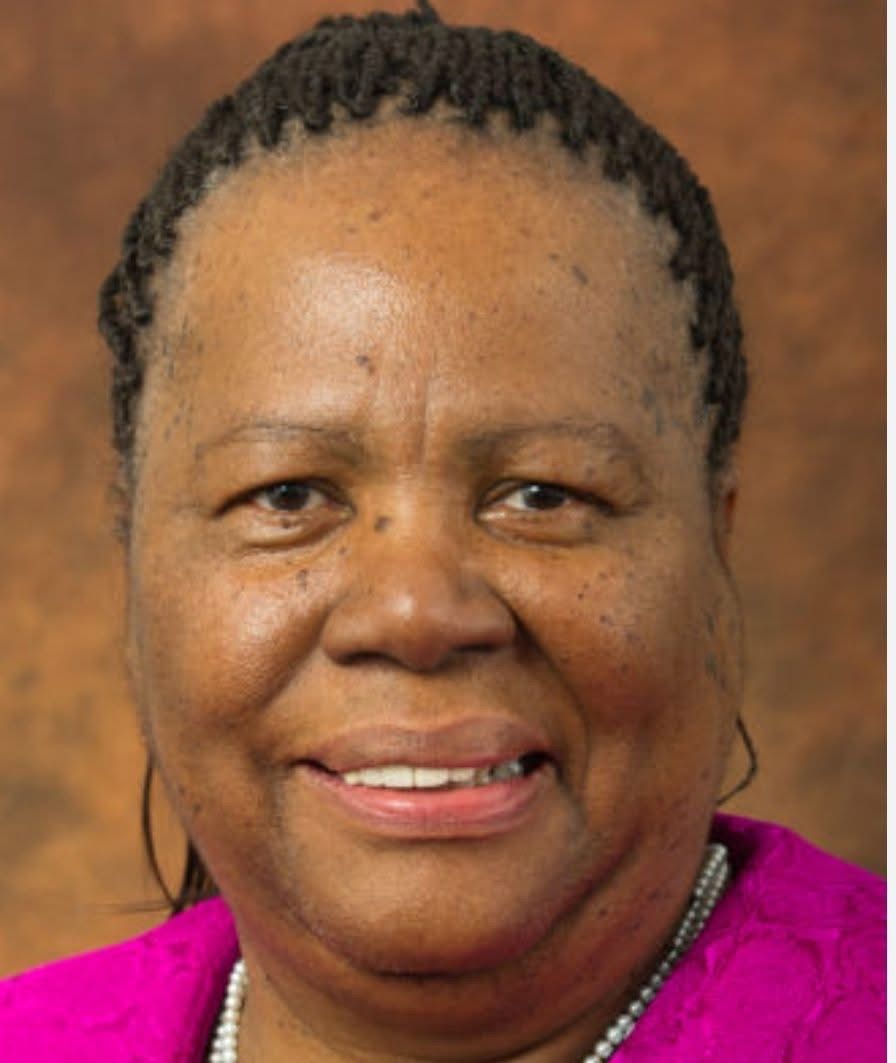
The United States has abruptly revoked the visa of former South African International Relations Minister Naledi Pandor, in a move that has raised diplomatic eyebrows and intensified already-strained relations between Washington and Pretoria. Indeed, the U.S. revokes Naledi Pandor’s visa, causing a stir in diplomatic circles.
The decision comes at a moment of acute diplomatic friction, as the U.S. boycotts the G20 summit South Africa is currently hosting and moves to block the meeting’s outcomes.
Pandor, who now chairs the Nelson Mandela Foundation, confirmed on Thursday that she received an email from the U.S. Consulate in Cape Town informing her that her multiple-entry visitor visa issued in 2024 had been cancelled without explanation. It was a surprising turn when the U.S. revokes Naledi Pandor’s visa.
She told journalists she had “no idea” why the U.S. took the step but acknowledged being aware of lobbying efforts calling for her exclusion.
Among those campaigning against her is former South African Jewish Board of Deputies member Lawrence Nowosenetz, who has accused her of aligning with pro-Palestinian states such as Iran and Qatar during her tenure as South Africa’s top diplomat.
The former minister has long been a polarizing figure internationally. She played a central role in South Africa’s genocide case against Israel at the International Court of Justice and has remained an outspoken advocate for Palestinian rights. Her past engagements including a 2023 phone call with Hamas leader Ismail Haniyeh, which she defended as a humanitarian discussion have drawn criticism from Washington. Moreover, the incident where the U.S. revokes Naledi Pandor’s visa adds to controversies.
In recent speeches, Pandor has also sharply criticized the United States, arguing that it “could no longer be viewed as the world’s leading democracy” and had become a “global threat.”
Since stepping down from government, Pandor has twice visited the U.S. in 2025, meeting with the advocacy organization Justice for All, which campaigns on Gaza and frequently compares the crisis to apartheid-era South Africa. Her growing prominence in global justice movements appears to have intensified political scrutiny of her activities.
Pandor says she has not yet decided whether she will apply for a new visa, noting that the process would require an interview she is unsure she is prepared for.
The unannounced revocation of a visa belonging to a high-profile former minister in a friendly nation marks an unusual diplomatic development. The U.S. revokes Naledi Pandor’s visa, underscoring deepening tensions over foreign policy, human rights, and the shifting global order.