


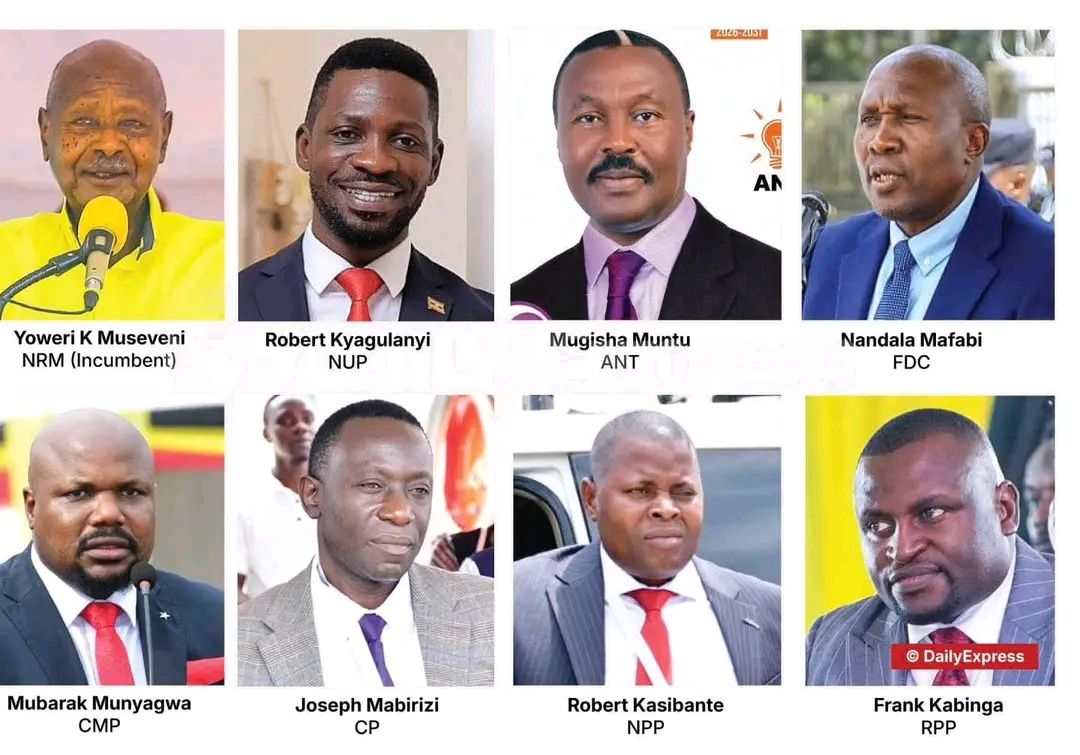
Kampala, Uganda — November 30, 2025: President Yoweri Museveni declined to attend the televised NTV presidential debate scheduled for Sunday night, a decision that has provoked sharp criticism from opposition figures who say the long-time leader is avoiding direct scrutiny and shying away from a head-to-head with his principal challenger, Robert “Bobi Wine” Kyagulanyi. The Source Reports+1
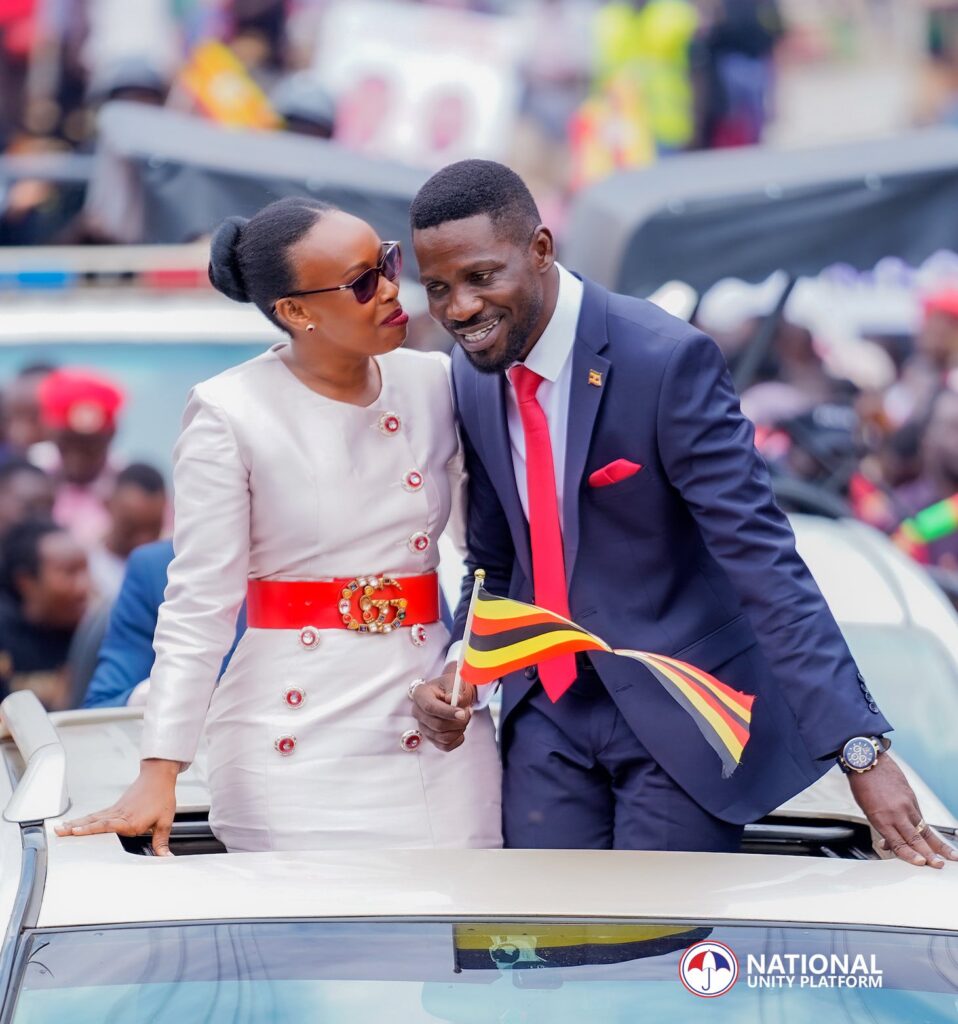
In an official response the NRM said the invitation to the debate arrived late and that the event was not part of the campaign calendar approved by the Electoral Commission — an explanation that the party used to justify Museveni’s absence. But opposition leaders rejected that reasoning as a thin pretext. NUP candidate Bobi Wine and other opposition figures framed the decision as a political dodge. “If the president will not look the people in the eye on live television, what does that tell Ugandans?” one opposition spokesperson asked. Facebook+1
“He is afraid to face the people and afraid to face Bobi Wine.”
— Opposition campaign source, Kampala, November 2025
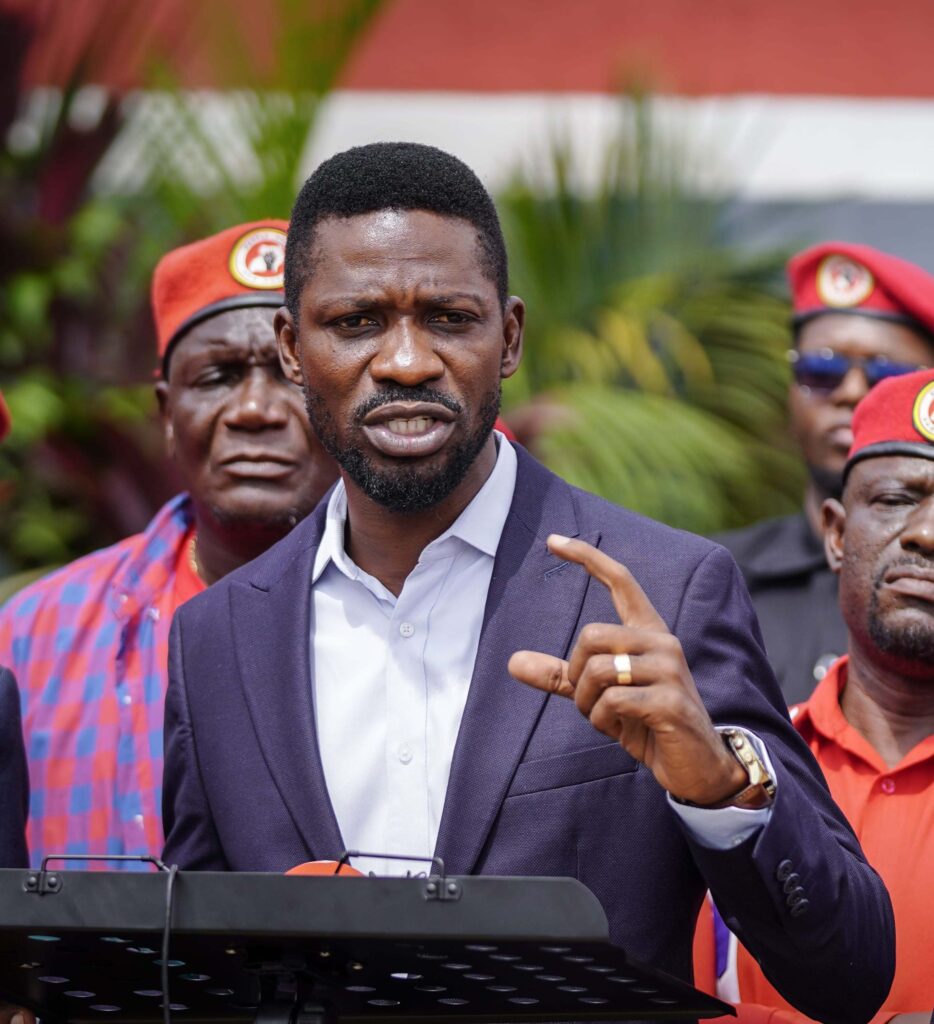
Bobi Wine himself confirmed he would attend the NTV debate, telling supporters and the media he would use the platform to challenge decades of what he calls “failed promises and deception.” For his backers — especially urban youth who propelled his rise — the debate was more than performance: it was an opportunity for an intergenerational contest between an 80-year-old incumbent and a youthful challenger promising profound change.
A contested culture of debates
Televised debates in Uganda have been sporadic and politically fraught. Unlike some democracies where incumbents routinely face rivals on live television, Uganda’s history shows a cautious approach to open political confrontation. Museveni has historically dismissed some opponents as “unserious,” and previous elections have been marked by accusations of harassment, media restrictions and heavy-handed security responses. That background shapes how many observers read his absence: not as a scheduling quirk, but as part of a pattern in which incumbency limits adversarial visibility. The Guardian+1
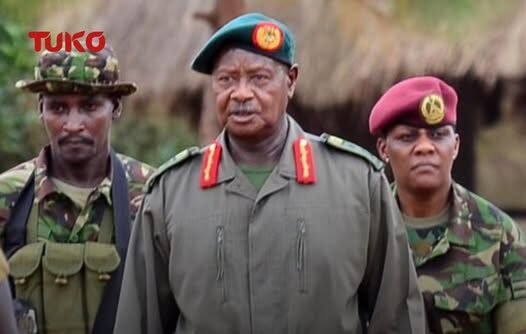
Civil society groups lamented the missed opportunity. Democracy promoters told local media that debates are vital for accountability and that an incumbent’s refusal to participate weakens the quality of public deliberation. “A debate without the president is a hollow substitute for democratic engagement,” said a representative of a Kampala-based NGO focused on electoral integrity. Others warned that sidelining such open exchanges feeds voter cynicism at a moment when trust in the electoral process is already strained. roape.net
“When the most powerful person in the country refuses to answer questions in public, it diminishes the space for free and informed choice.”
— Civil society observer, Kampala
Crackdown on opposition by Government security Agencies
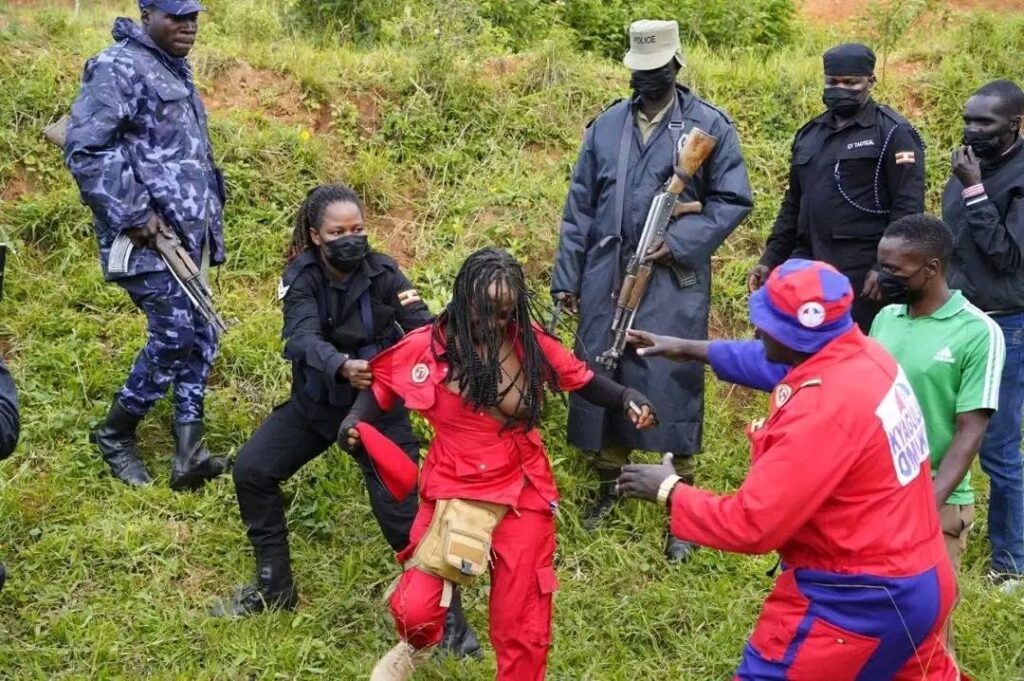
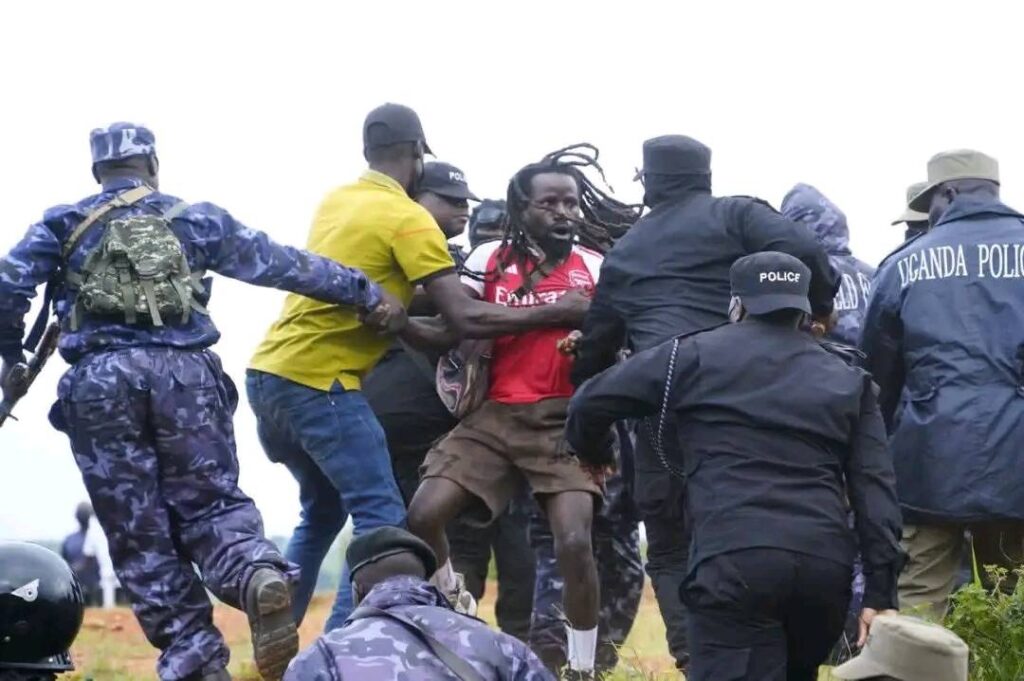
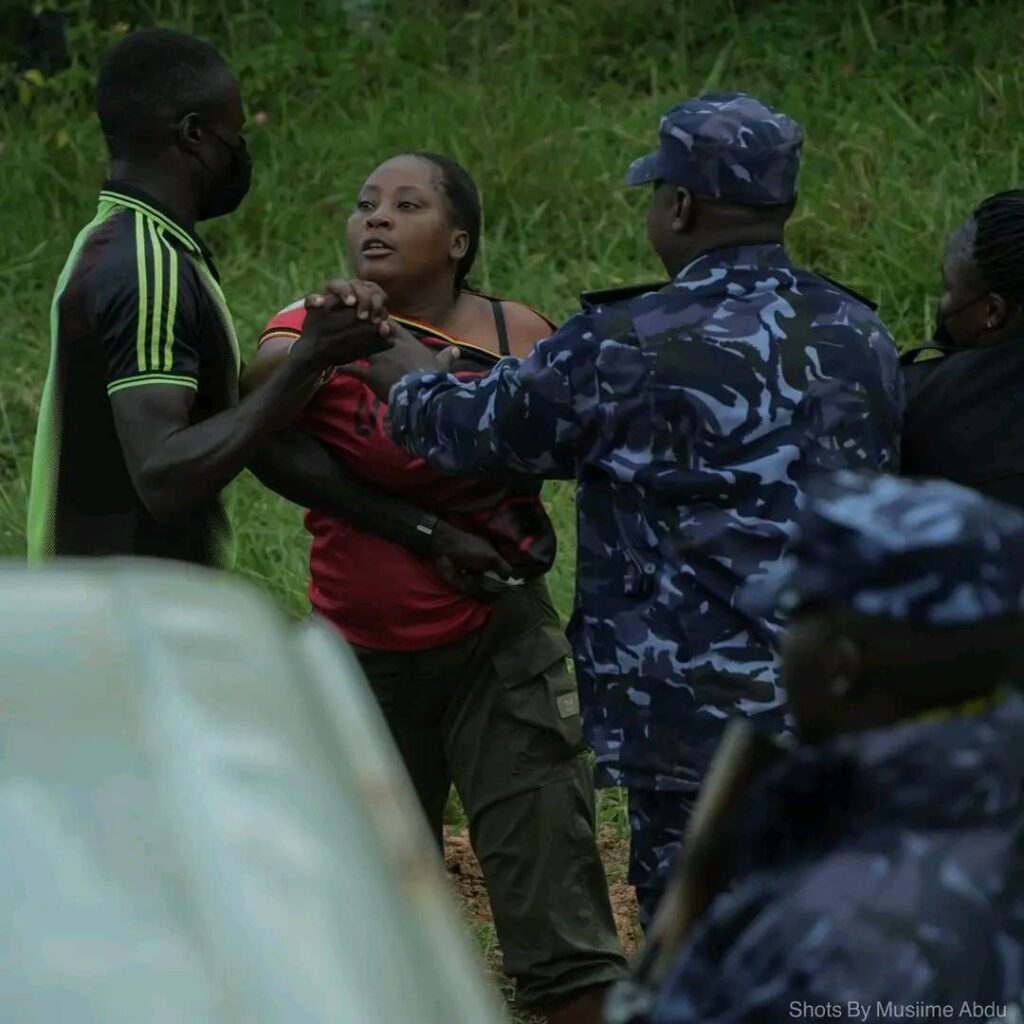
The timing of the snub also intersects with wider tensions on the ground. The opposition says security forces have detained hundreds of its supporters since the campaign season opened, and there have been repeated confrontations at rallies. Those reports — which the opposition says show a climate of intimidation — frame the debate absence in starker terms: not merely an individual opting out, but part of an environment where opposition voices say they are under pressure. Reuters
What this means for the 2026 ballot
Analysts say the immediate electoral impact of Museveni’s decision is ambiguous. For staunch NRM supporters it will register as a sensible avoidance of unscripted risk. For undecided voters and the swelling cohort of younger Ugandans who rallied to Bobi Wine in 2021 and beyond, the absence may reinforce a narrative of avoidance and overreach by incumbency. Either way, the optics matter — especially in a tightly observed race that has attracted international attention. Reuters+1
Some political strategists argue Museveni’s campaign is prioritising controlled settings — rallies, state media and party networks — where messaging can be tightly managed, rather than unpredictable live formats. Others say that by declining, Museveni has handed opponents a rhetorical advantage: they can portray themselves as willing to engage while casting the incumbent as evasive. That framing could be potent in urban centres and online, where debate clips and commentary circulate rapidly. howwe.ug+1
The debate goes on — minus the incumbent
NTV and other media outlets have signalled the programme will go ahead with the participating candidates. For many viewers, the greater concern is not only who speaks, but whether the playing field for the election is sufficiently level for televised contests to matter. Domestic and international observers will be watching for whether the pattern of exclusion and alleged crackdowns persist, and whether Uganda’s 2026 vote offers voters a credible chance to choose — or merely re-affirms entrenched power. The Source Reports+1
“The test for our democracy is not a single debate — it is whether every citizen can make a free, informed choice on election day.”
— Independent election analyst, Kampala
As millions tune in to Sunday’s broadcast, the image of an empty chair opposite the brightest new challenger has become a symbol in itself: a televised snapshot of a deeper contest over access, accountability and the shape of Uganda’s political future.