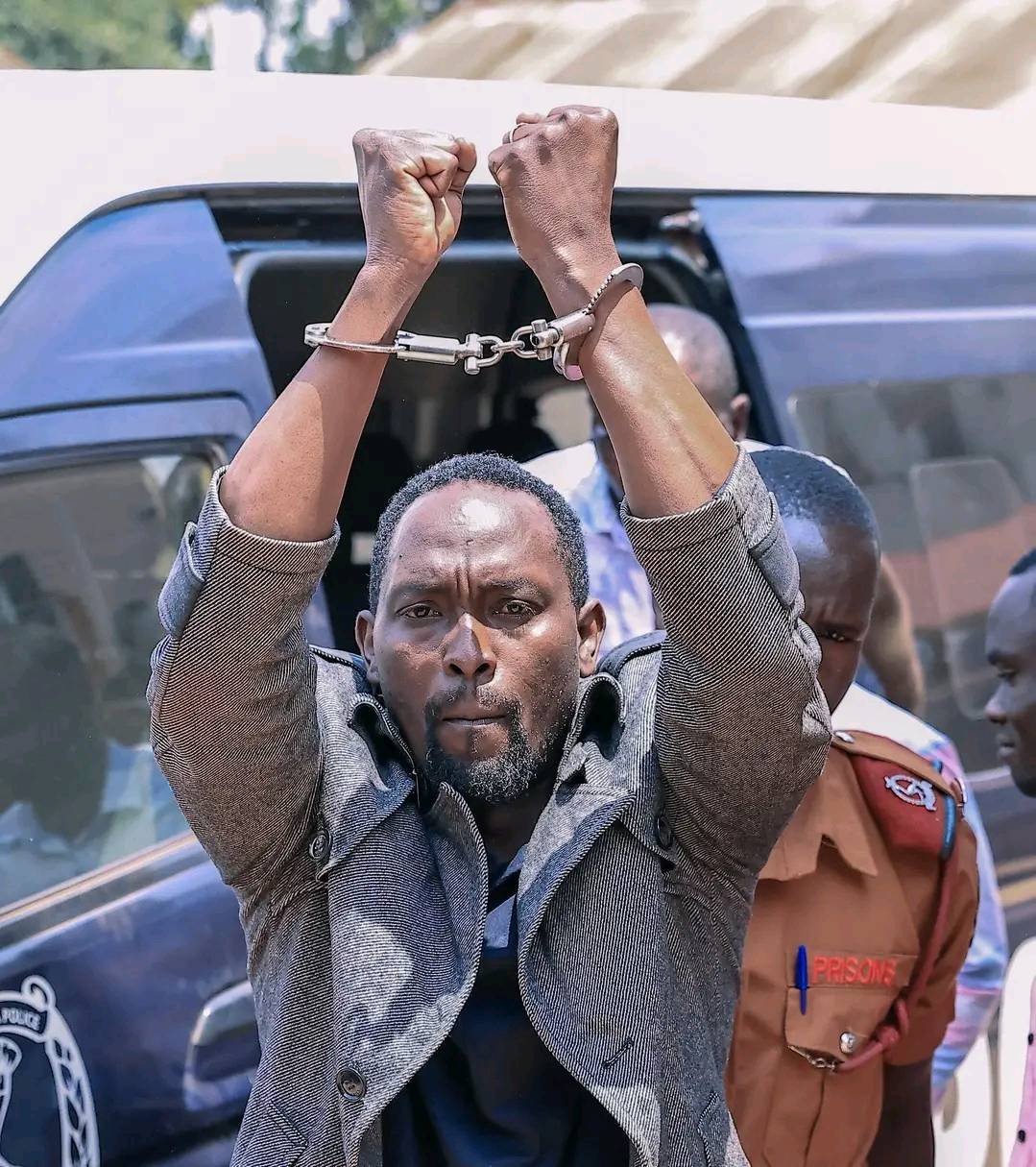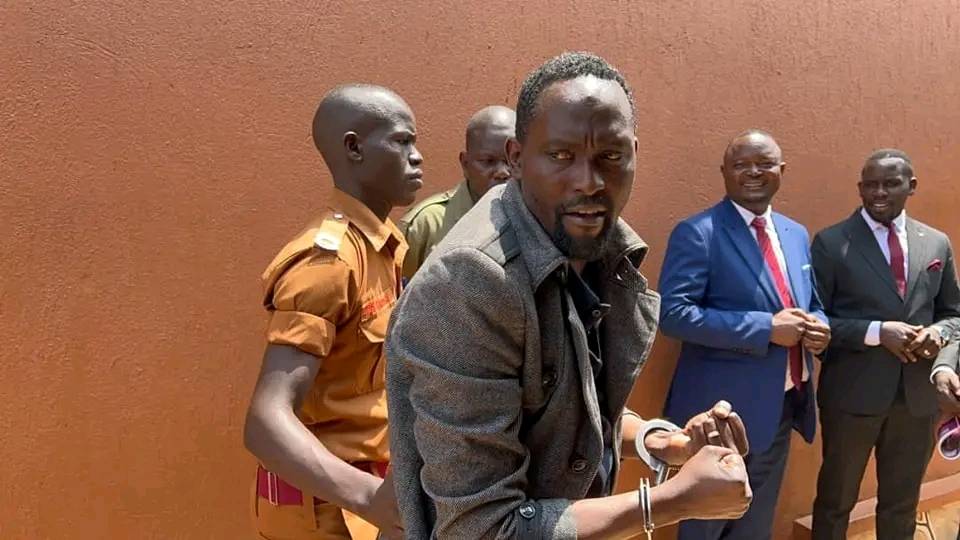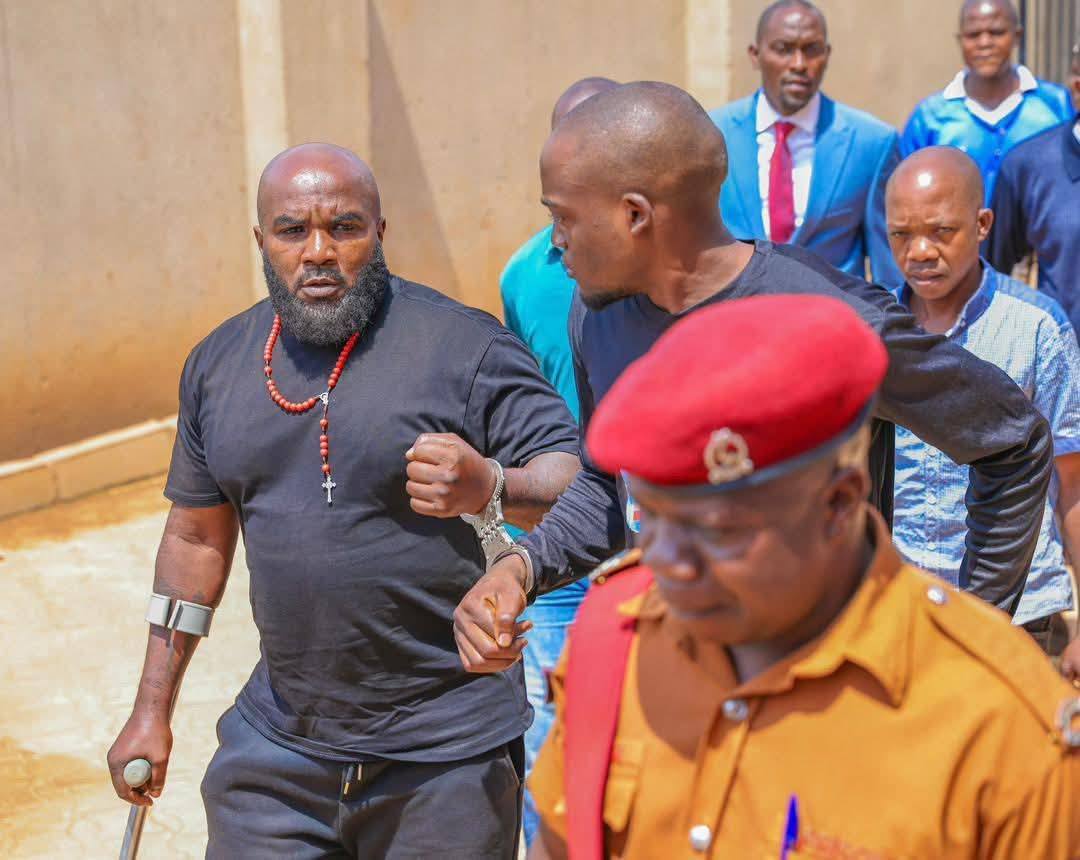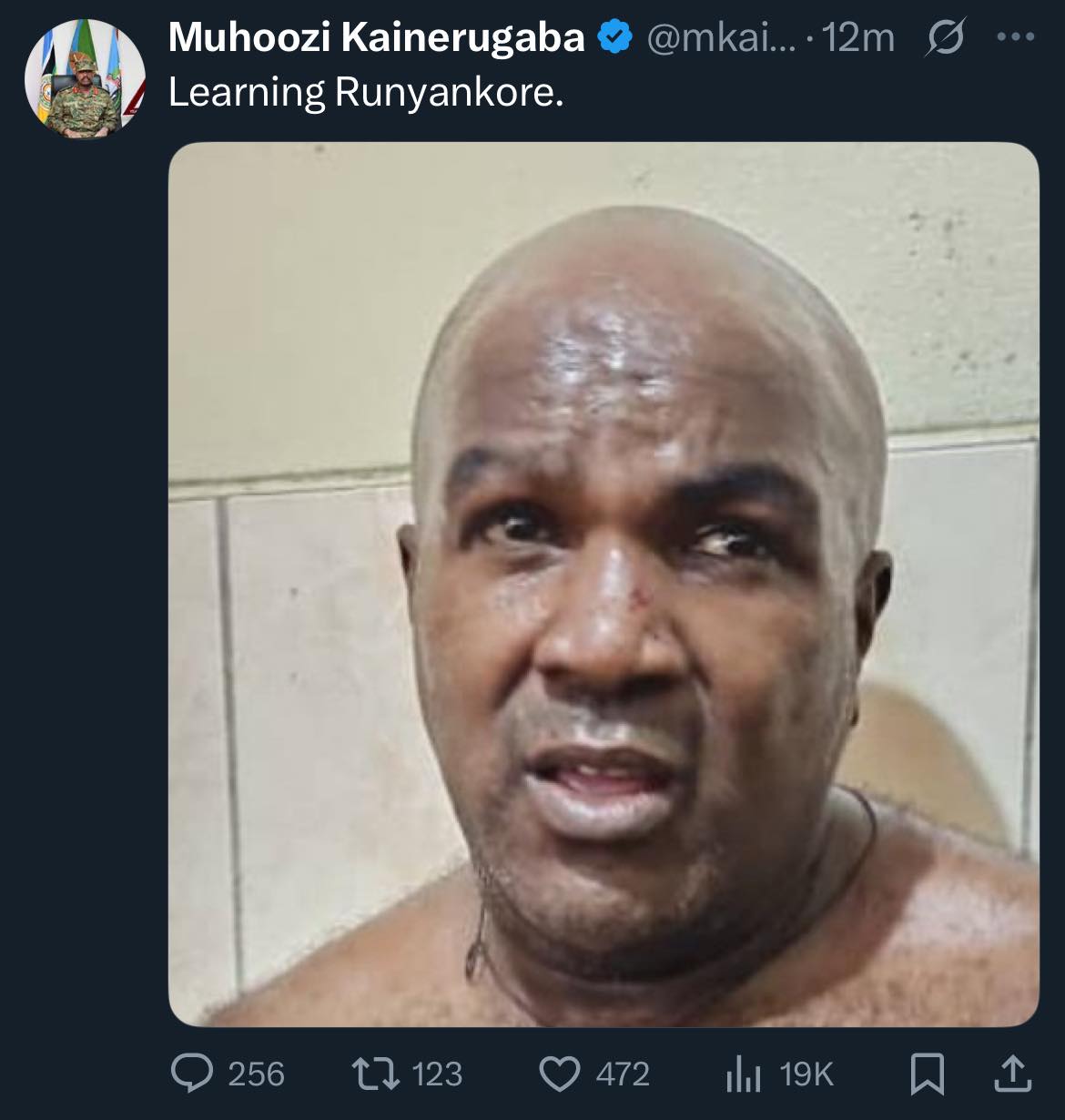


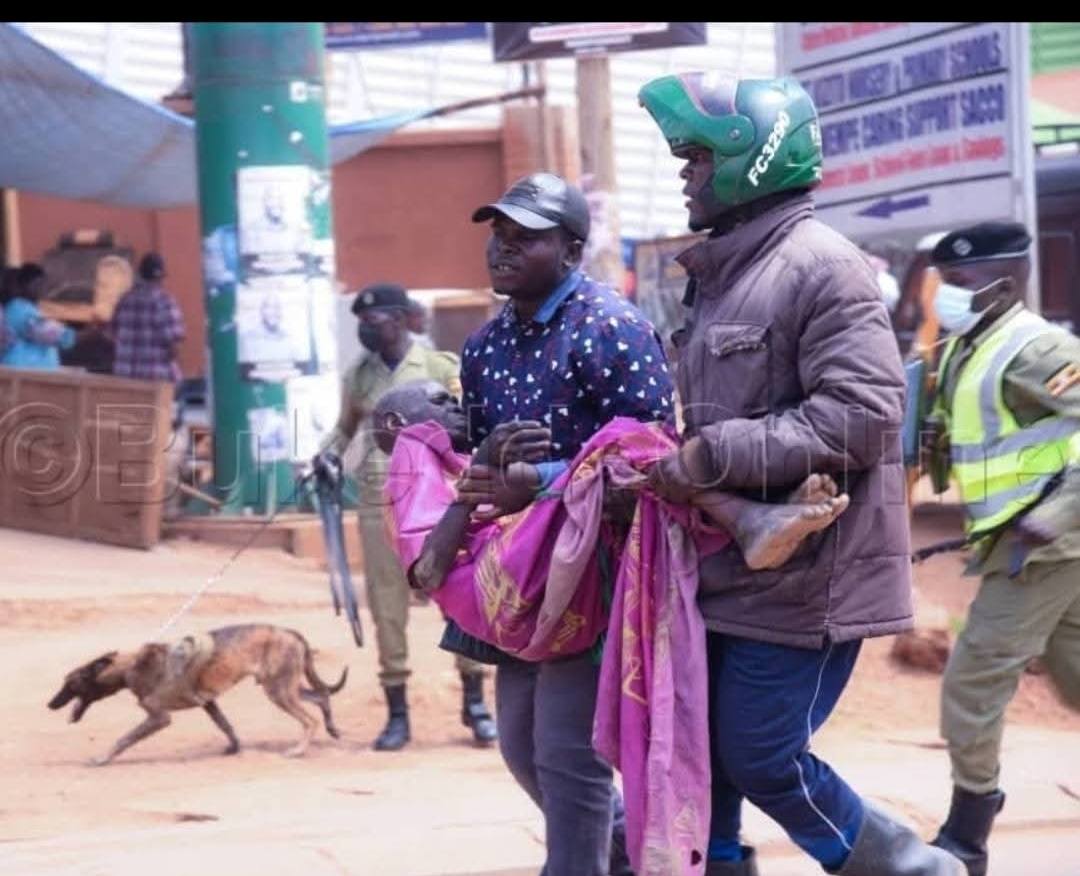
KAMPALA, UGANDA — Updated November 30, 2025: As Uganda moves toward the January 2026 presidential election, rising cases of violence, vote-rigging allegations, and brutal crackdowns on women, youth and children by police and the army have intensified fears of yet another disputed poll.
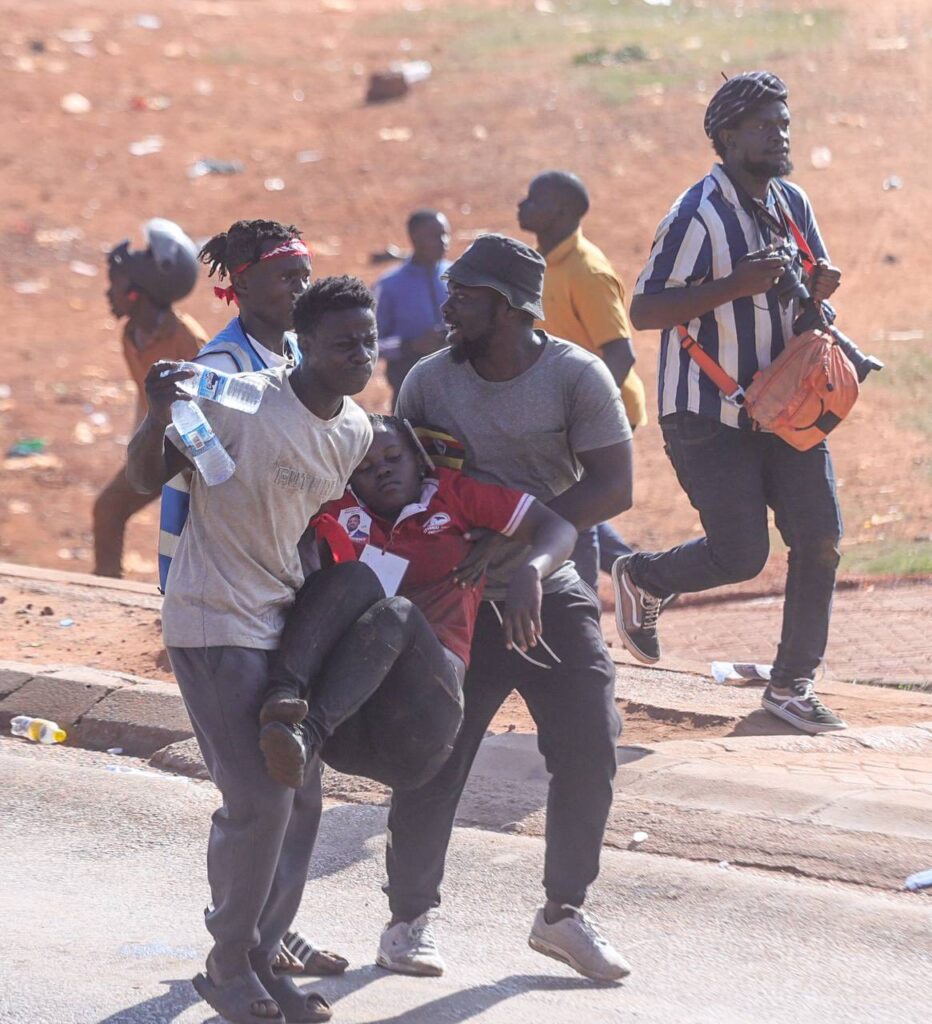
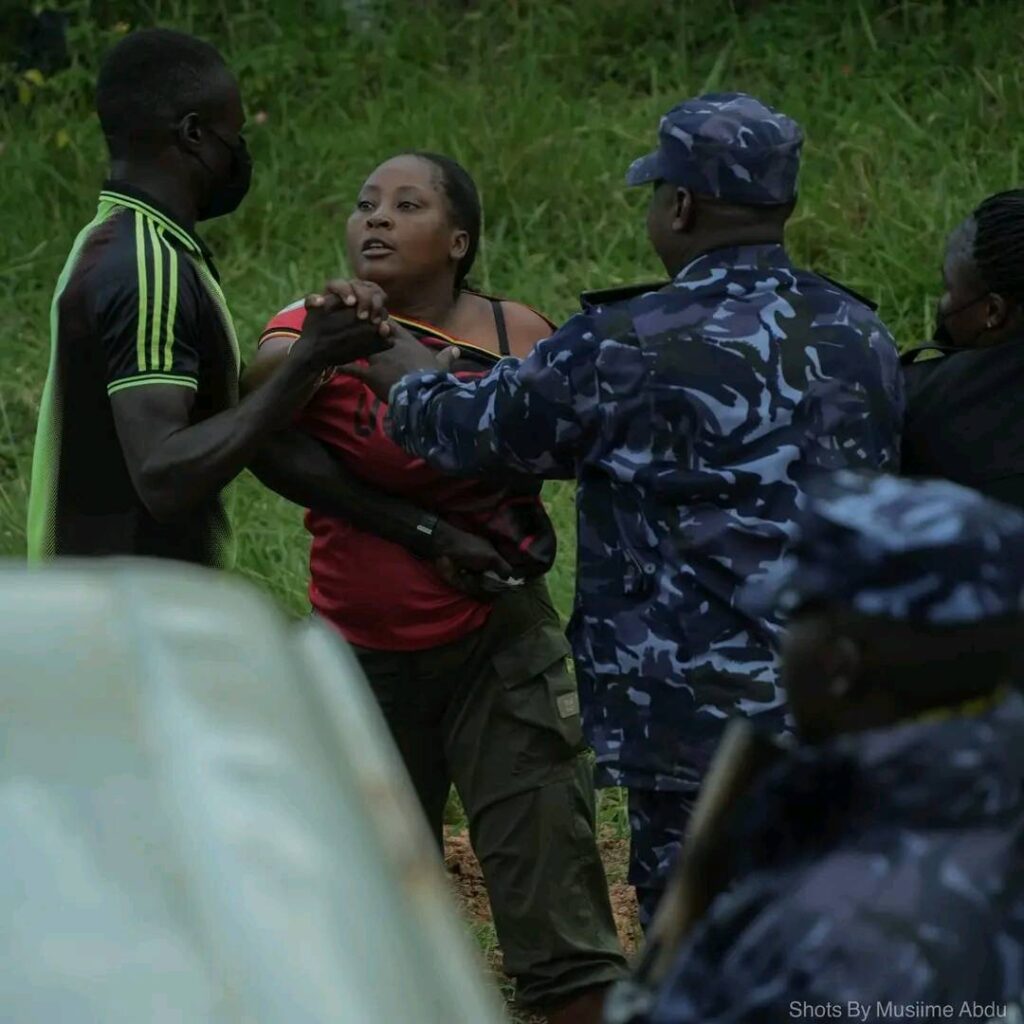
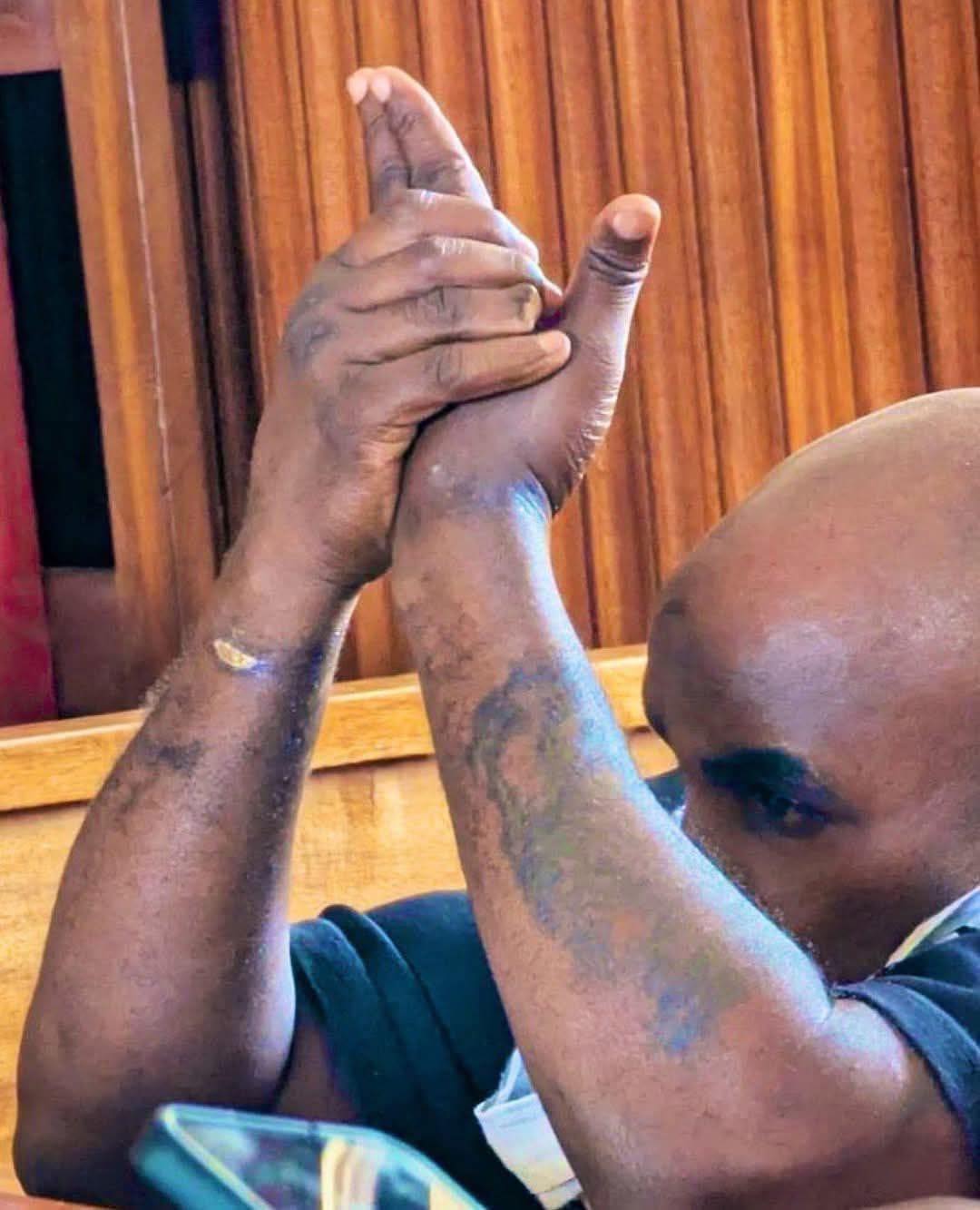
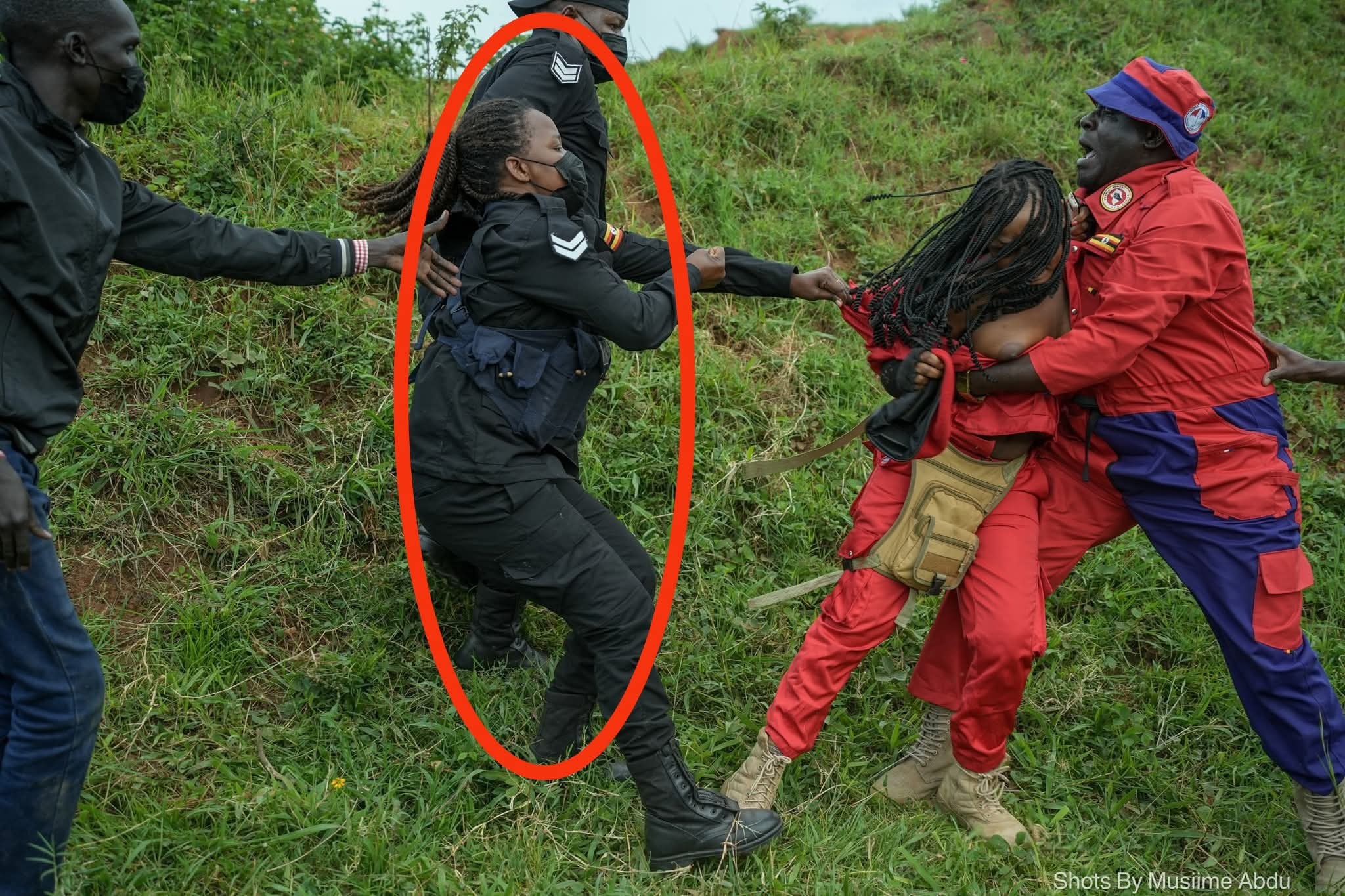
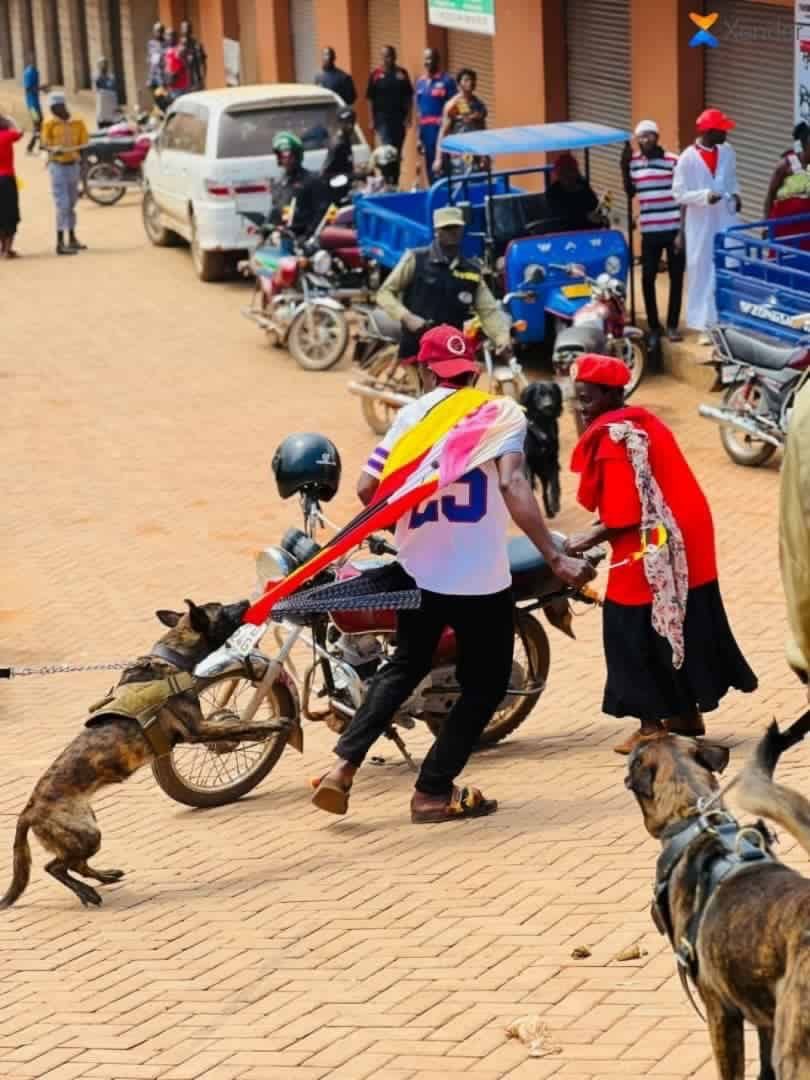
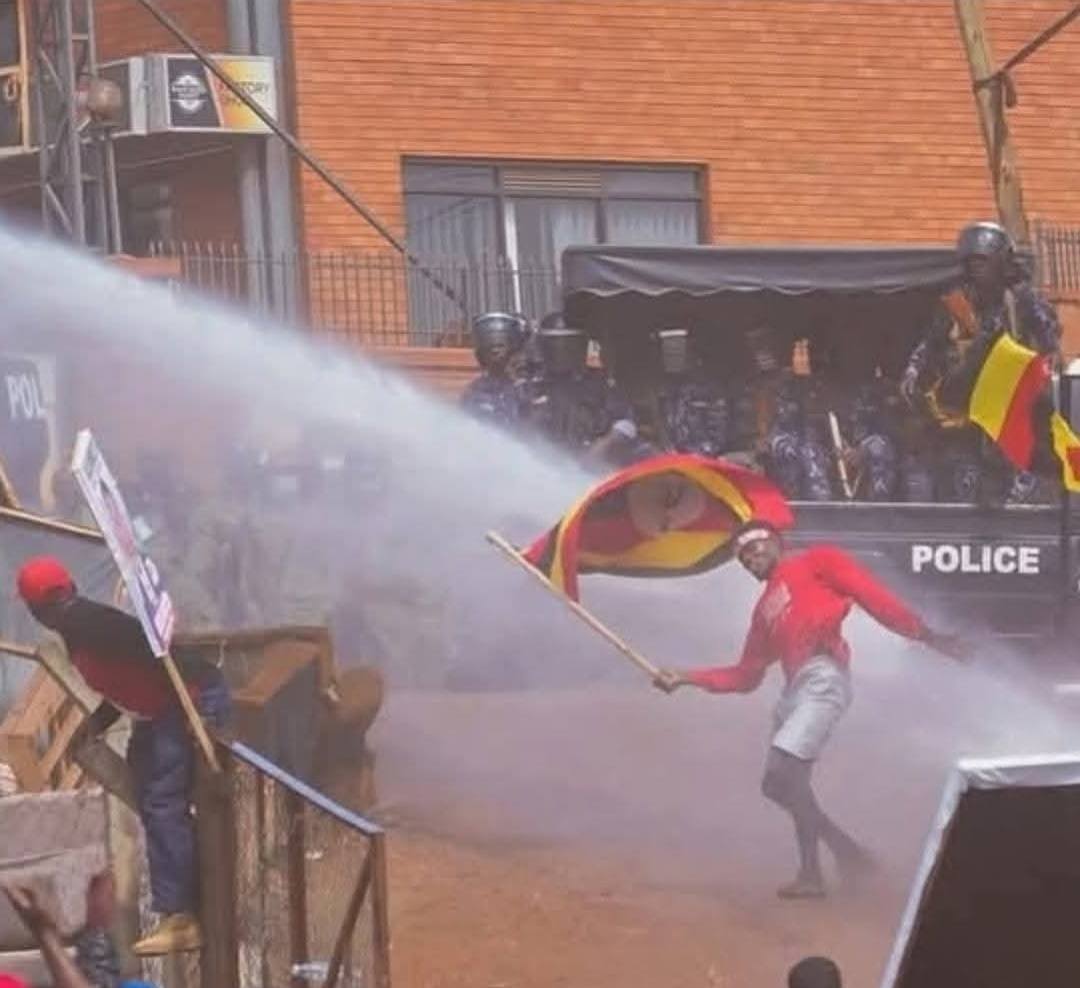
As Uganda barrels toward presidential elections in January 2026, the campaign season has been punctured by a fresh wave of politically charged violence that human rights groups, opposition leaders and civil society say is aimed at intimidating voters and weakening the main challenger to President Yoweri Museveni. Reports from the field and international media describe tear gas, water cannon, arrests, and — in some instances — live rounds fired during rallies and dispersals, with women, youth and children among those hurt or detained. Reuters+1
Escalating Violence Overshadows Uganda’s January 2026 Presidential Election


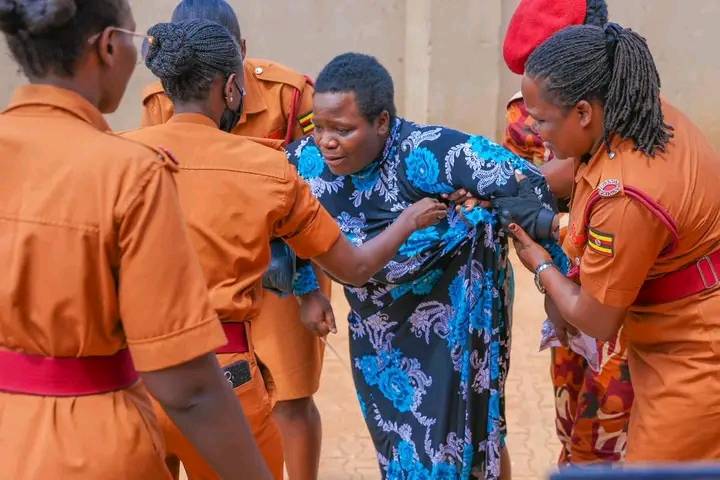
Opposition leader Robert Kyagulanyi Ssentamu, widely known as Bobi Wine, and the National Unity Platform (NUP) say security forces have repeatedly used disproportionate force to break up rallies and to detain campaign coordinators and ordinary supporters. The NUP claims more than 300 supporters and officials have been detained since the formal start of the campaign season in October, a tally that includes mass arrests during large gatherings in Kampala and other towns. Police counter that only a handful of arrests were necessary to restore order after supporters allegedly attacked officers. Reuters
Crackdowns on Opposition Deepen Fears Ahead of 2026 Poll
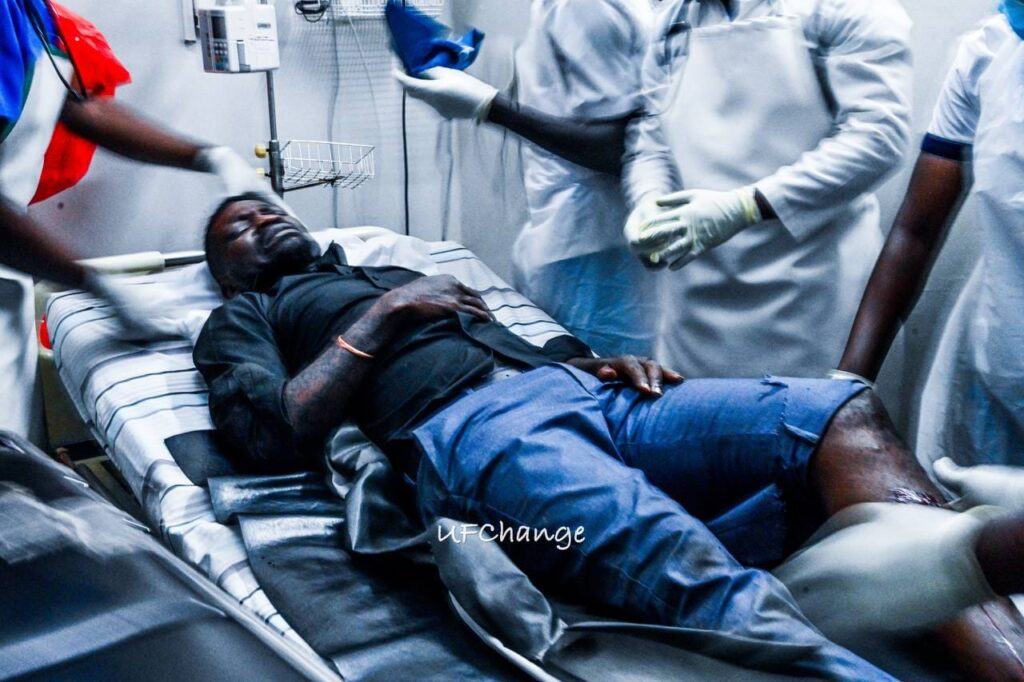
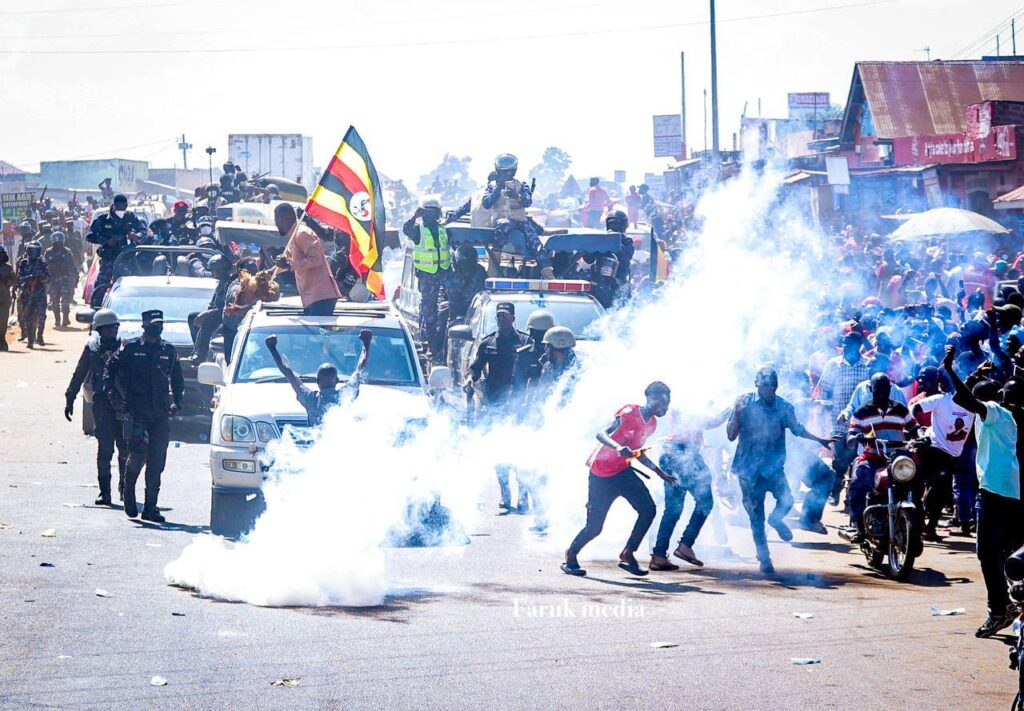
“Security forces have not only targeted our rallies, they have targeted our people — the women, the youth, the children who simply came out to listen,” Bobi Wine said in a string of public messages and posts after several dramatic dispersals. “We will not be cowed.” X (formerly Twitter)+1
Tear gas, water cannons — and children in the crowd
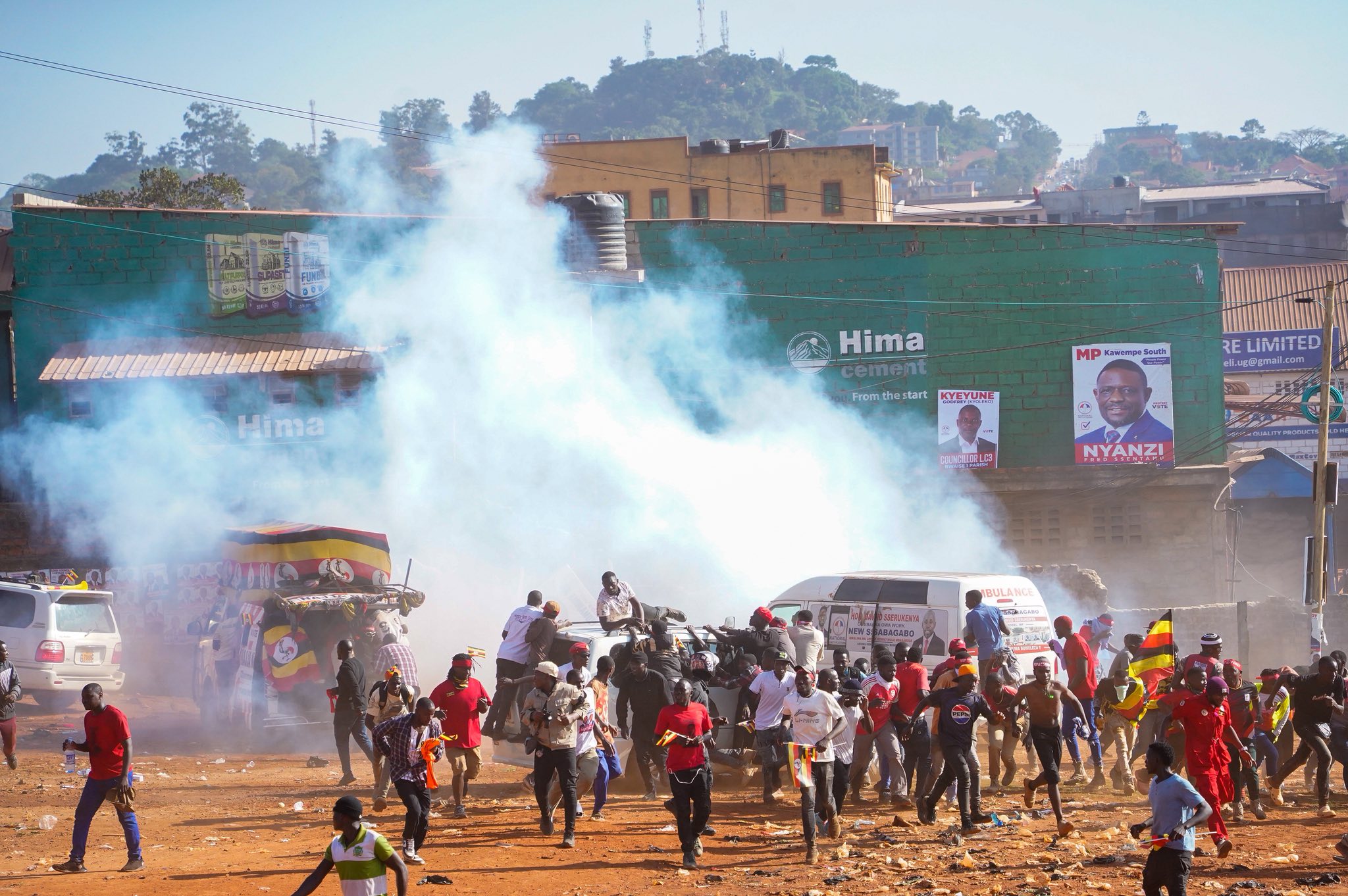
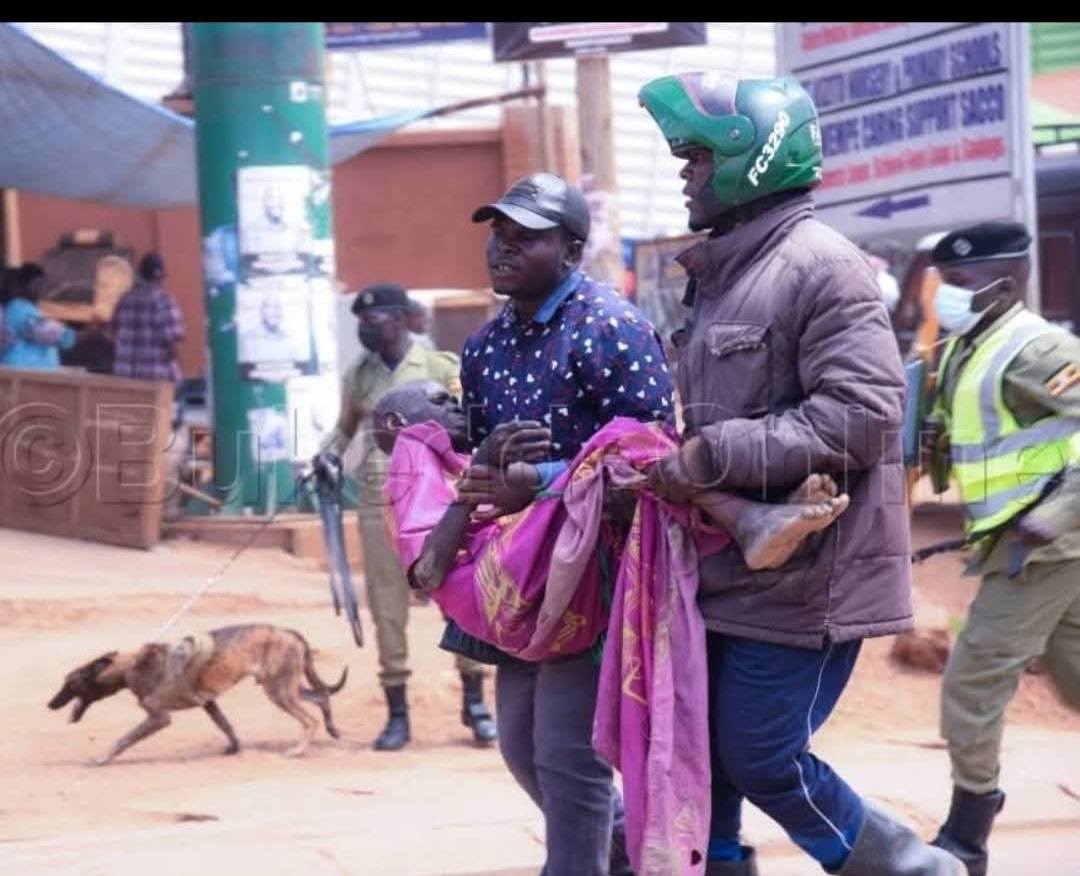
Multiple videos circulating on social media and reports by local outlets show police deploying tear gas at close range during break-ups of NUP gatherings. In several instances, bystanders — including infants and elderly women — were affected. Local reporting and eyewitness accounts have described elderly people and children coughing and fleeing as canisters were fired into dense crowds. NUP and independent activists say the use of tear gas in residential areas and near makeshift gathering points has repeatedly placed non-combatants at risk. facebook.com+1
Security Forces Accused of Targeting Women and Youth as Election Nears
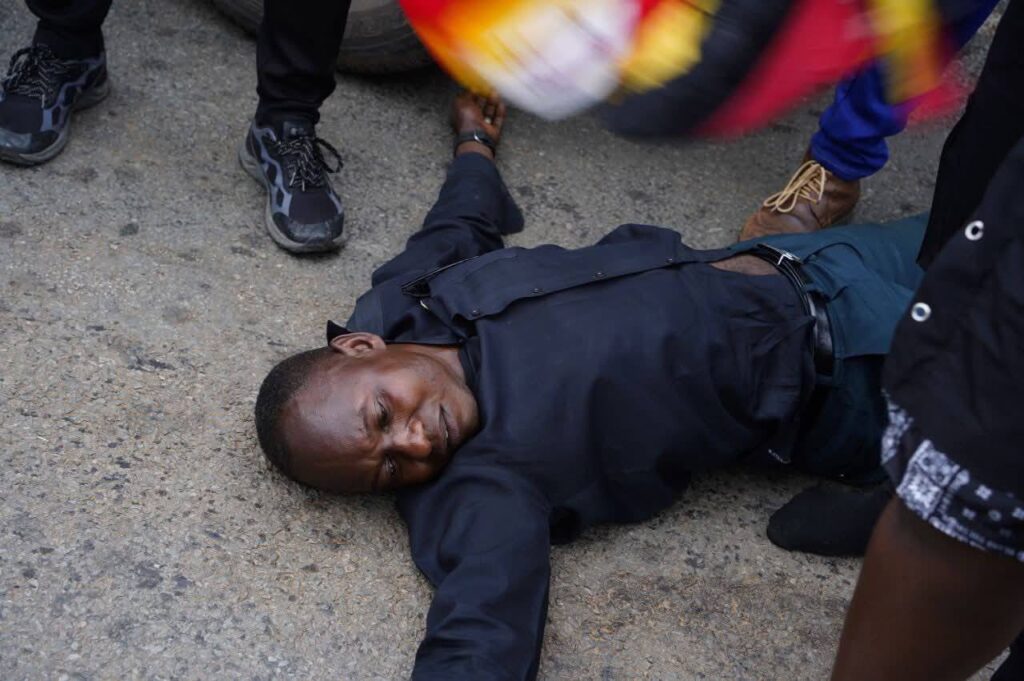
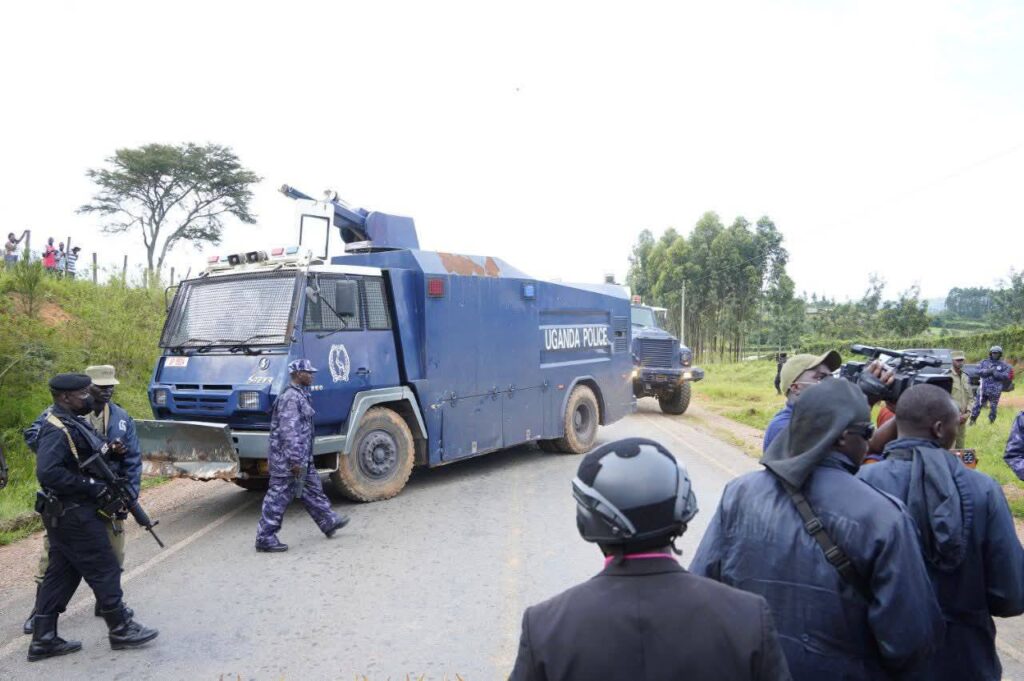
A November rally in Kawempe, northern Kampala, ended with chaotic scenes of baton charges and teargas; local press said security forces intervened, leaving injuries reported on both sides, and later detained dozens of supporters. The Electoral Commission issued a statement noting recent episodes of violence during campaigns and warned parties to avoid actions that could inflame tensions, but observers say the Commission’s responses have been too little to protect voters on the ground. allAfrica.com+1
“They fired tear gas on infants who stood innocently along the roadside,” said one activist posting footage from a recent rally — a depiction that has been widely shared on social media and used by opposition campaigners to highlight what they call indiscriminate crowd control. facebook.com
Army involvement and the law that worries the opposition
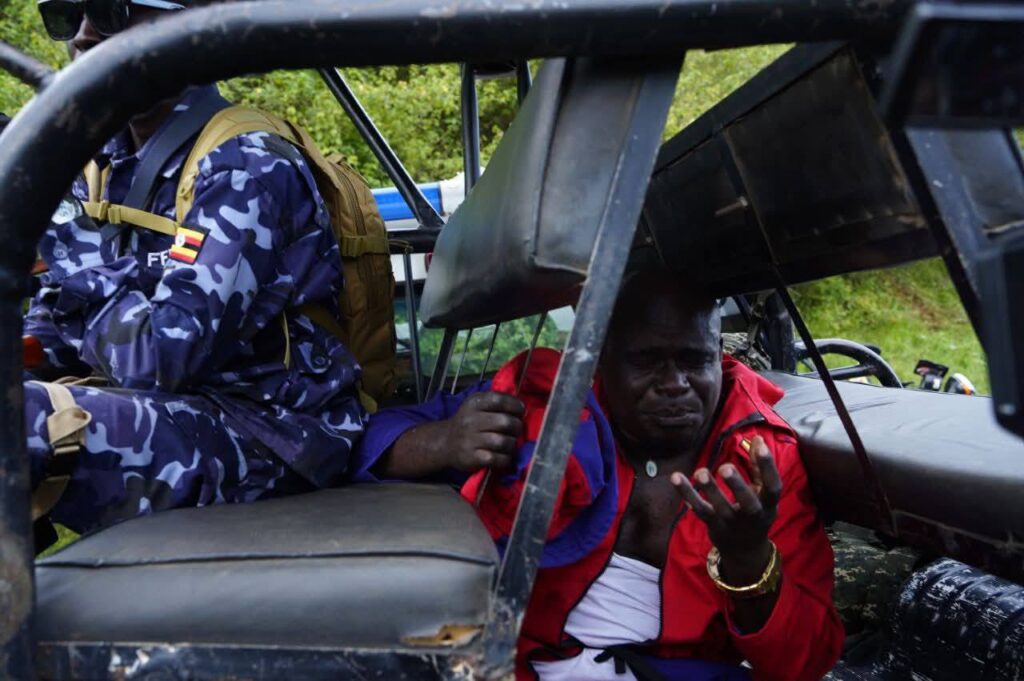
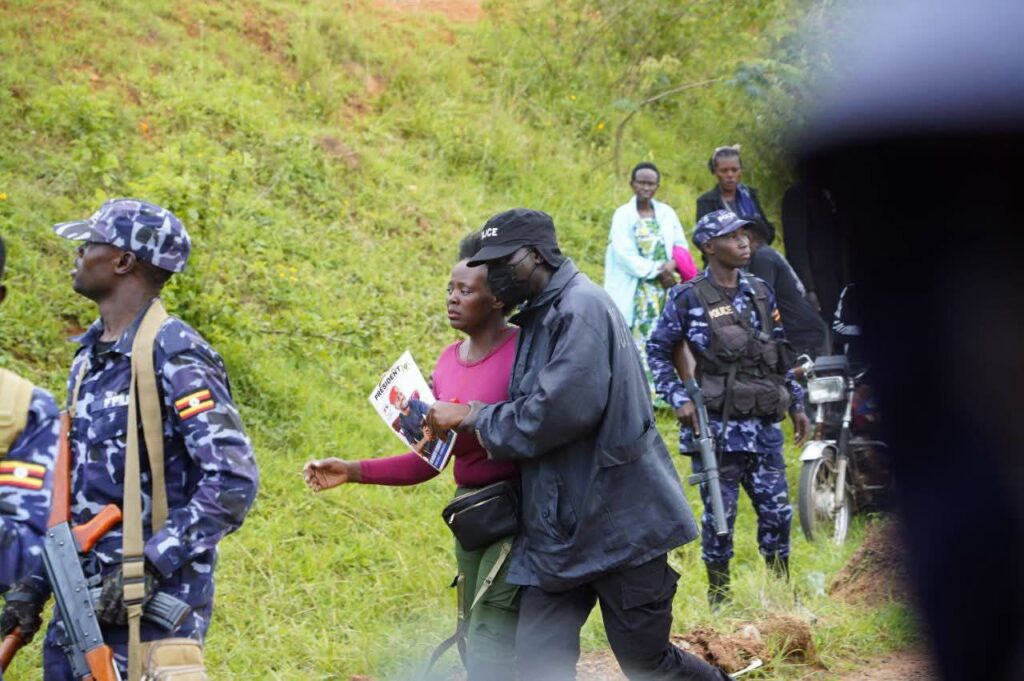
Beyond the police, critics warn that the creeping role of the military in civilian politics has raised the stakes. In August 2025 the opposition successfully challenged a law that restored military jurisdiction over civilians; but parliament later passed measures bringing those powers back, and NUP has petitioned the courts again to nullify military prosecutions of civilians. Opponents say military trials and the presence of uniformed troops at political events create a climate of fear that disproportionately affects vulnerable groups. Reuters+1
Human rights monitors and press freedom groups have also flagged a broader crackdown on critics and journalists in the run-up to the polls, arguing that restrictions on reporting and civic space make independent verification of abuses more difficult — and heighten the risk that violence and intimidation will go unpunished. The Committee to Protect Journalists and other watchdogs have documented arrests and harassment of journalists covering political events earlier in 2025. Committee to Protect Journalists
Allegations of vote rigging, and a fracturing political field
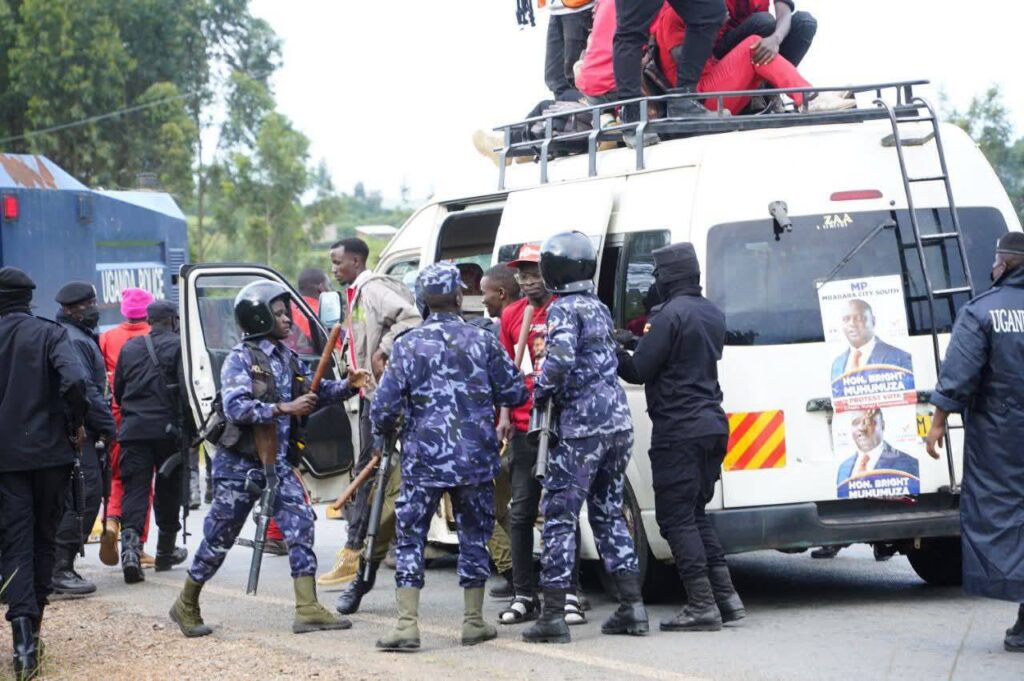
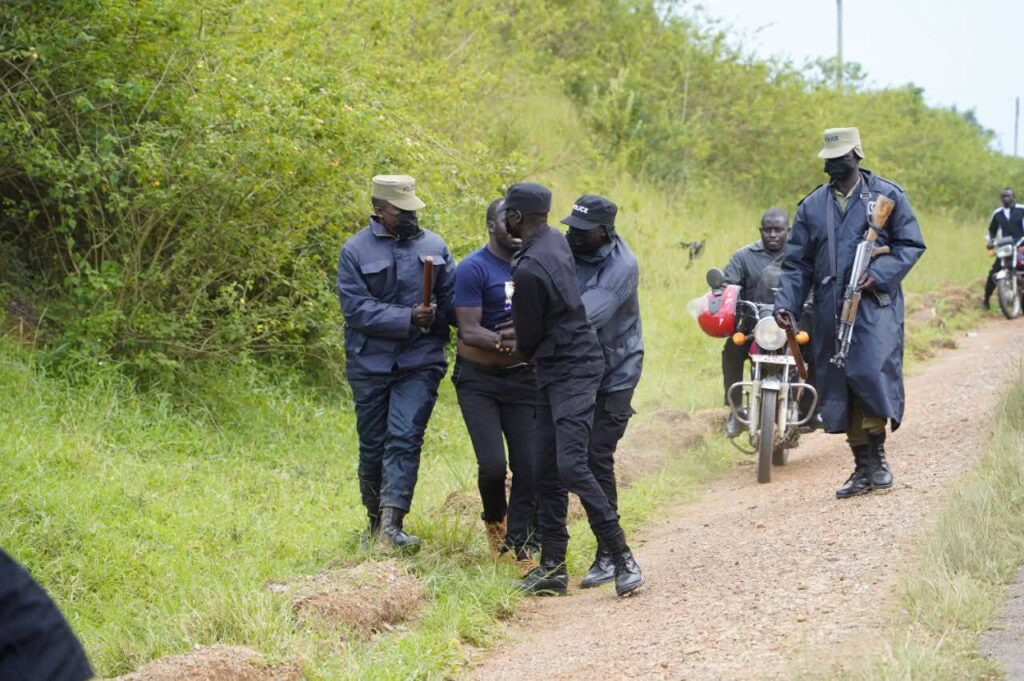
Accusations of electoral manipulation are equally potent. Opposition figures maintain that state institutions — from sections of the security services to elements within the Electoral Commission — have been used to tilt the playing field in favour of the incumbent. Bobi Wine and other critics have openly accused the commission of bias and have warned of possible rigging unless reforms are enforced; the commission has urged calm and promised to ensure a credible vote, but its statements have so far failed to reassure sceptical opposition activists. Watchdog Uganda+1
“If we do not have a free and fair election, then we will have no choice but to challenge the results,” an NUP official warned at a press briefing — a line repeated by sympathisers who argue the only path to change is both mass mobilisation and international scrutiny. Reuters
What other political actors say
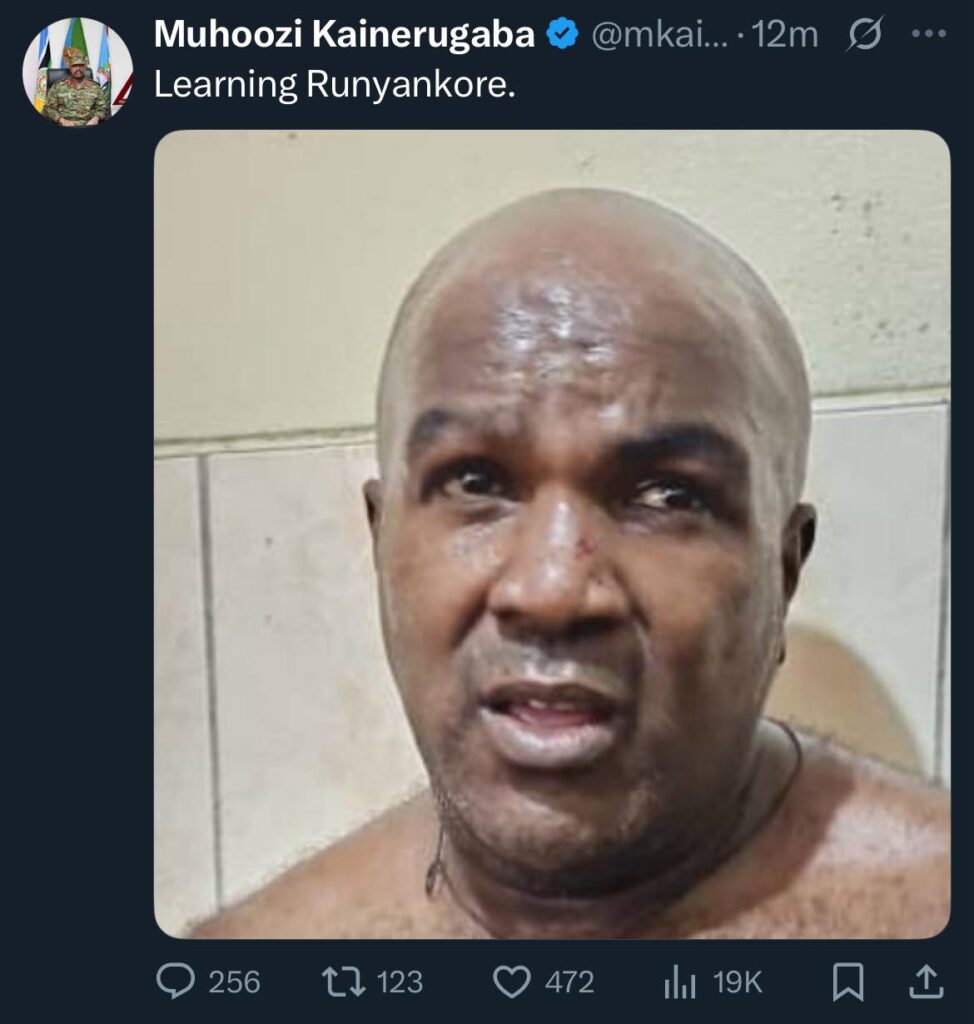
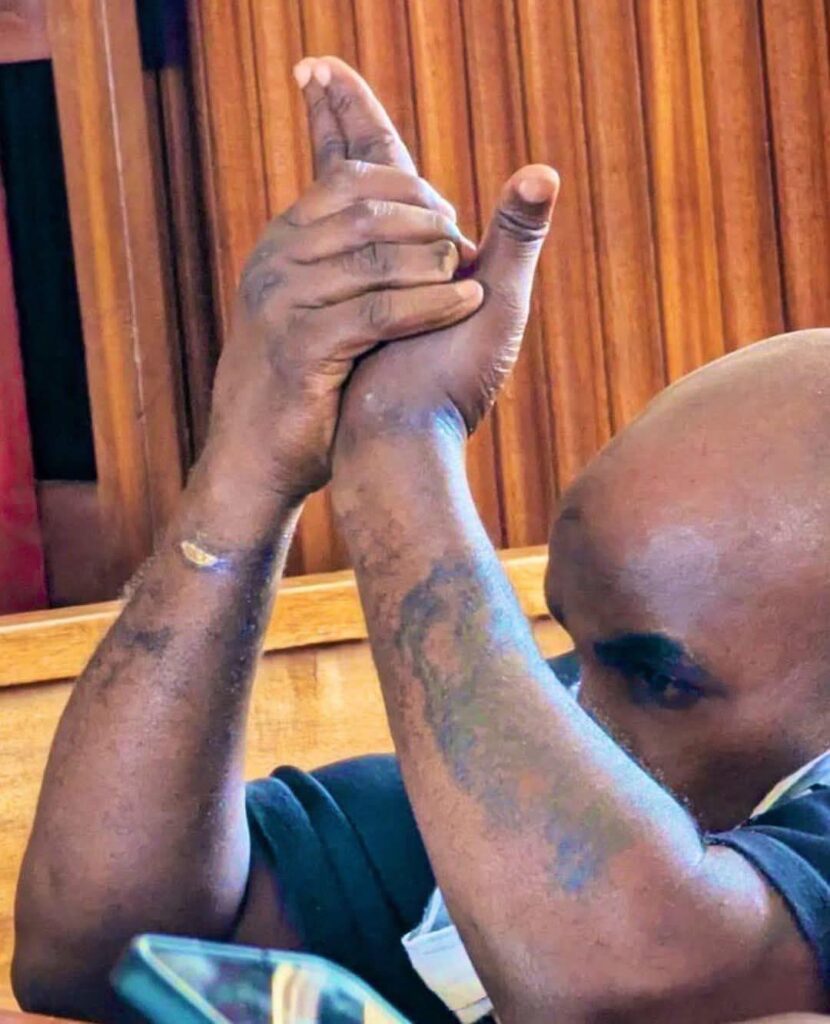
he ruling National Resistance Movement (NRM) has repeatedly defended security actions as necessary to prevent unrest and to protect voters. Government spokespeople insist that the security forces are professionally trained and that arrests are the consequence of unlawful conduct by some supporters. International observers and foreign governments have called for restraint and urged Kampala to guarantee the safety of all citizens during the campaign period. Analysts warn, however, that without visible accountability measures, the pattern of arrests and force could escalate as election day approaches. Congress.gov+1
The Stake Are High: Rising Brutality and Vote-Rigging Claims Rock Uganda’s Political Landscape

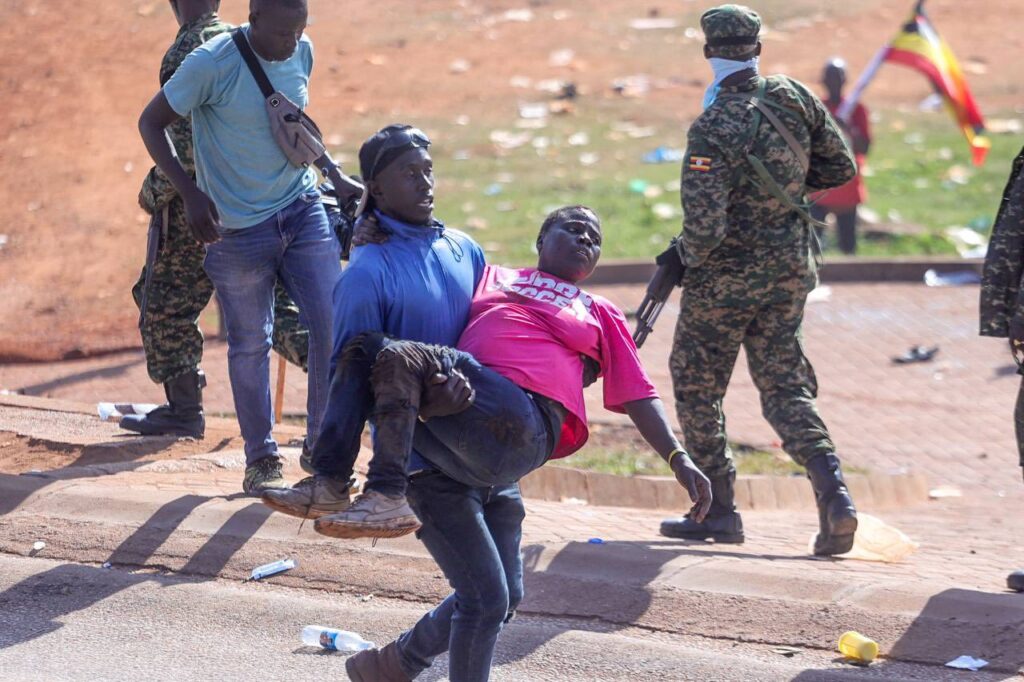
Uganda’s 2026 vote is shaping up to be one of the most consequential in decades: the incumbent president, in power since 1986, seeks yet another term amid deep public frustration about governance and economic conditions. For many Ugandans the campaign season has exposed a painful trade-off — between the right to political expression and the reality of heavy-handed security responses. With women, children and youth frequently the immediate victims of dispersals and arrests, civil society groups fear that the human cost of a fraught election could linger long after ballots are counted. Geopolitical Monitor+1
As international attention grows, both domestic actors and foreign partners will be watching whether Kampala moves to defuse tensions — or whether the campaign season hardens into a repeat of past cycles of confrontation and contestation. For now, many Ugandans remain fearful that the road to January will be littered not only with political promises but with tear gas, bruises and a deeper mistrust of institutions.