


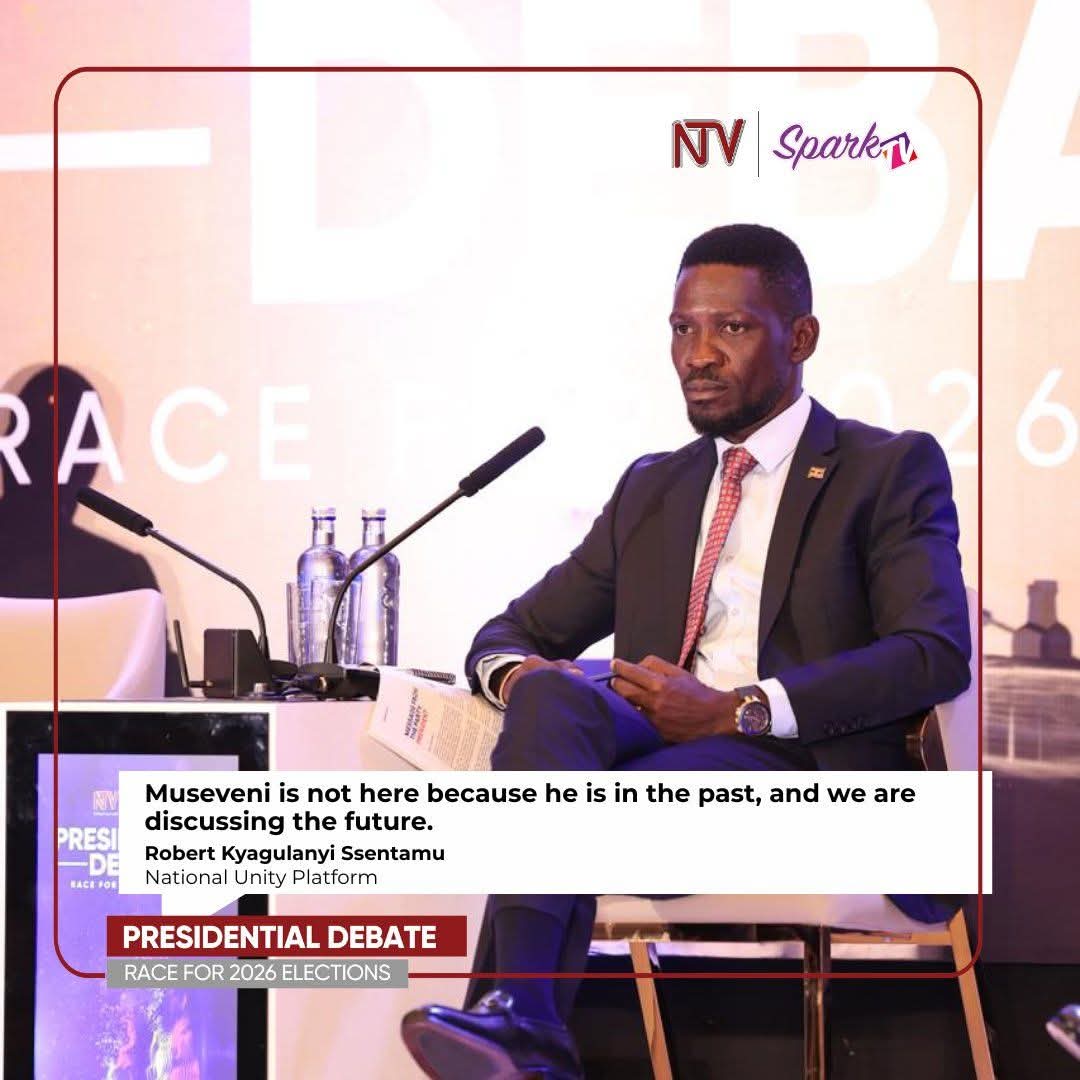
Kyagulanyi Takes Aim at Museveni’s Absence as 2025 Uganda Presidential Debate Puts Future in Focus
Kampala, Uganda — December 2025
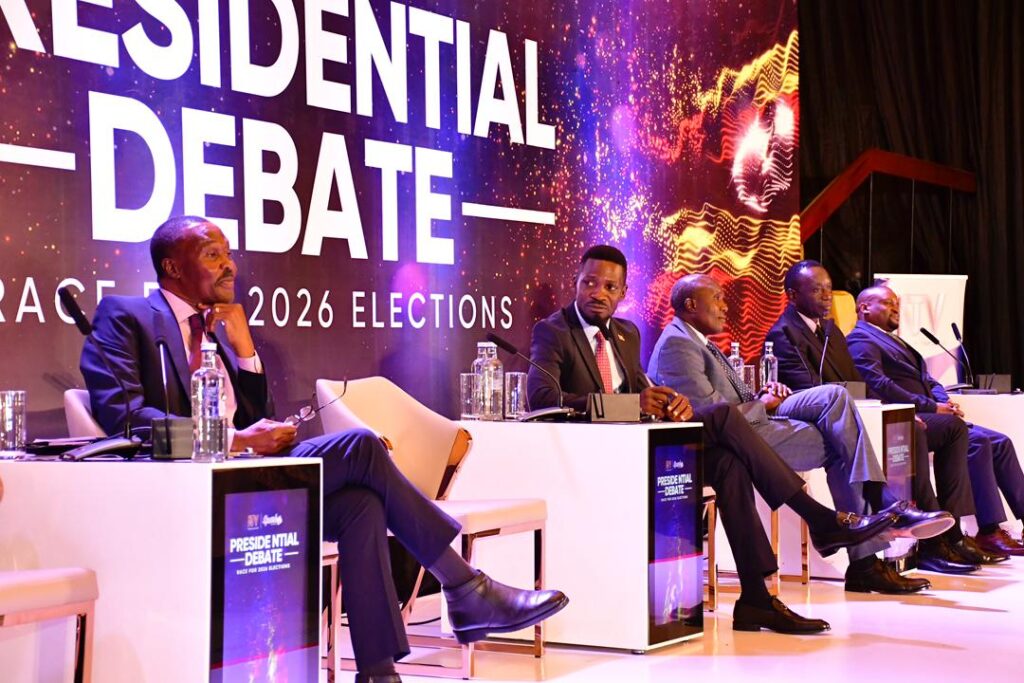
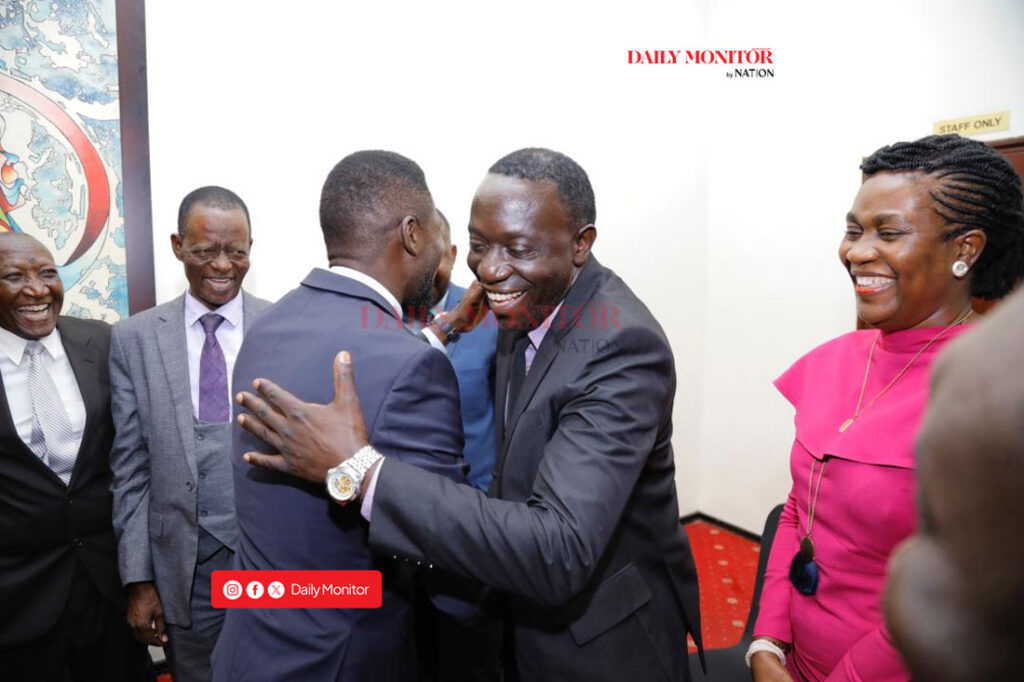
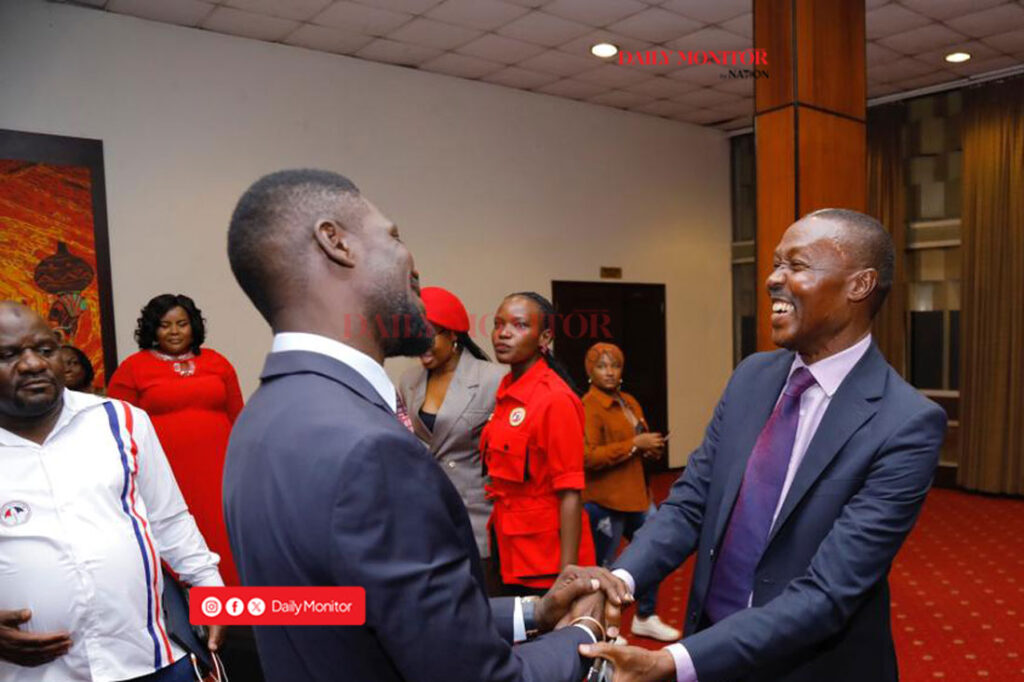
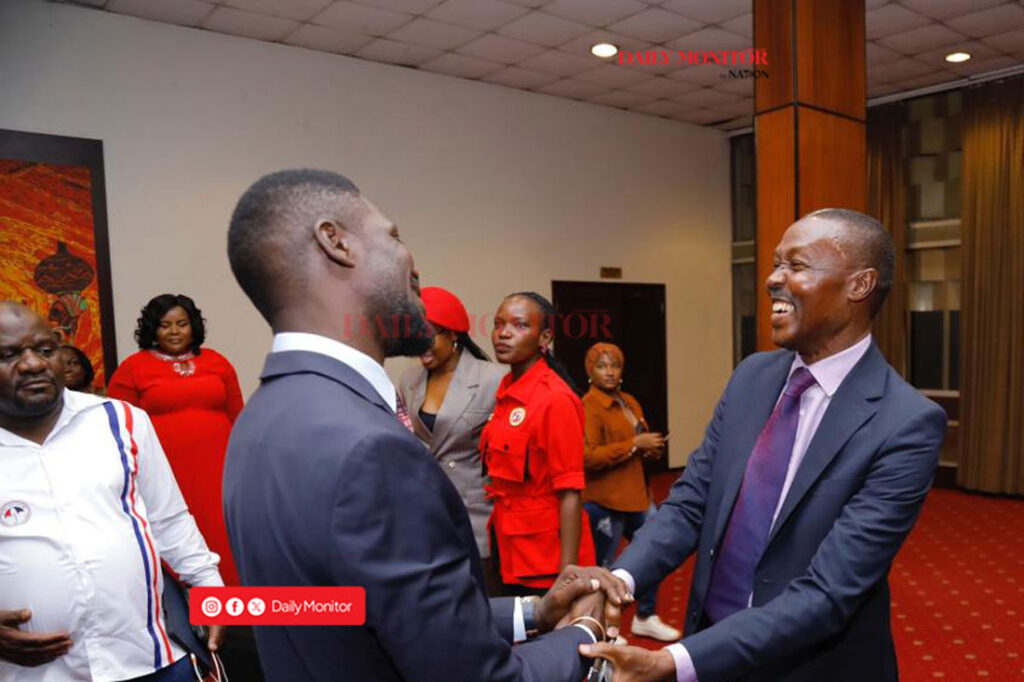
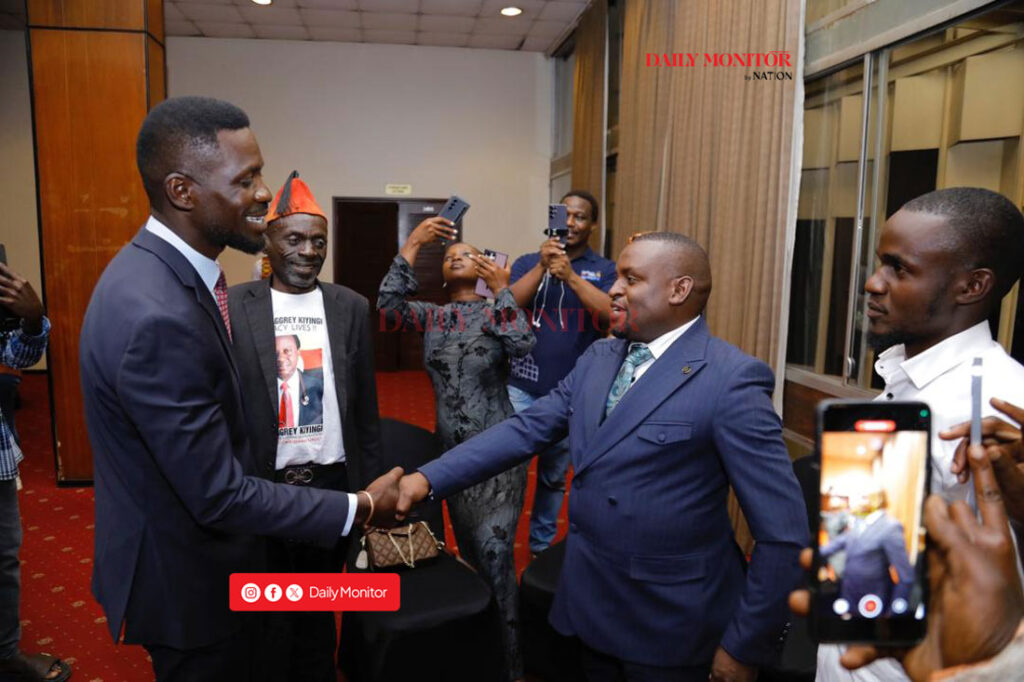
Uganda’s 2025 Presidential Debate delivered sharp exchanges, bold policy promises and a defining moment when National Unity Platform (NUP) leader Robert Kyagulanyi Ssentamu, known widely as Bobi Wine, criticised President Yoweri Museveni for once again skipping the event. The debate, hosted at the Serena Conference Centre in Kampala, gathered thousands of viewers across national broadcasters and online platforms.
Museveni, who has been in power since 1986 and is seeking yet another term, did not attend—an absence that immediately set the tone for the evening.
Kyagulanyi’s Opening Jab
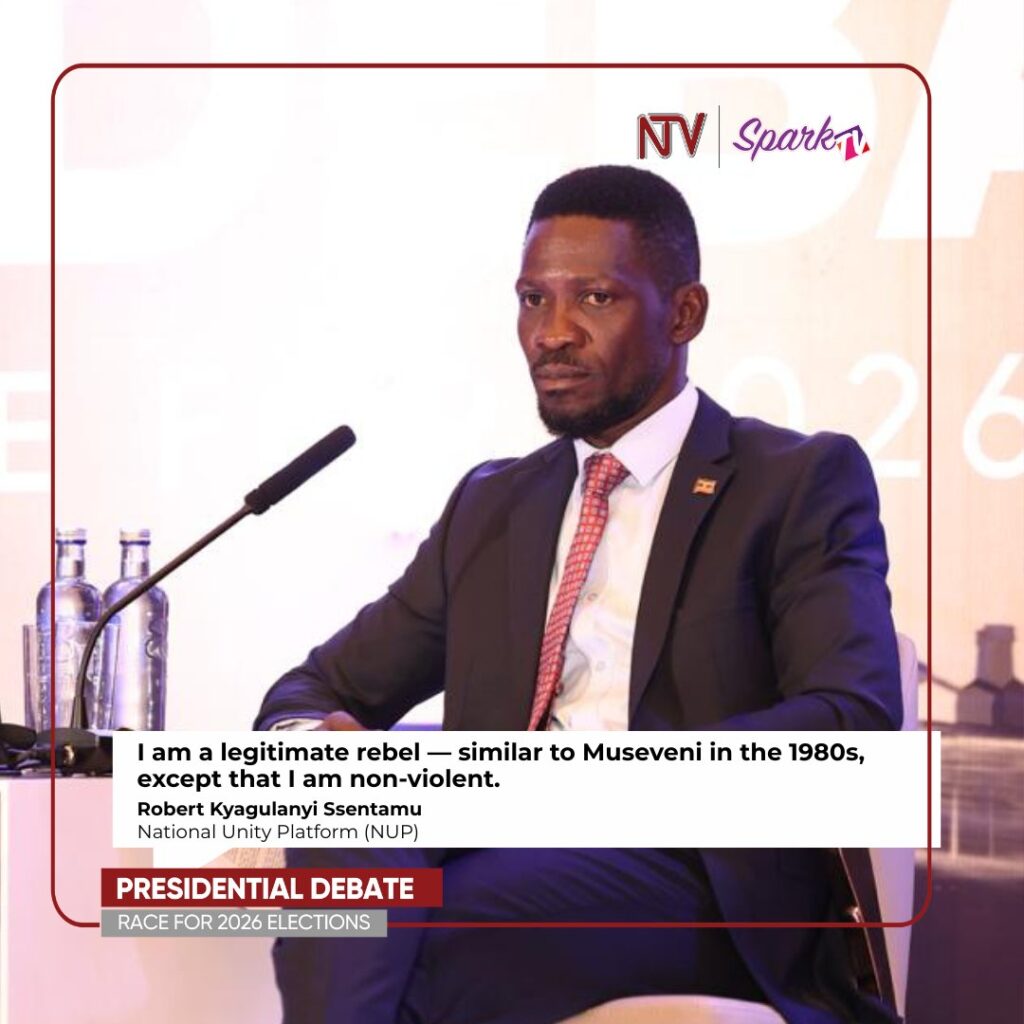
Taking the podium to applause, Kyagulanyi wasted no time addressing the president’s empty chair.
“Museveni is not here because he is in the past, and we are discussing the future,” Kyagulanyi declared, drawing loud cheers from the audience.
His remark became the line of the night, circulating widely across social media within minutes.
Kyagulanyi argued that Uganda cannot move forward under a leader who “fears accountability and public scrutiny,” insisting that debates serve as a democratic obligation, not a courtesy.
“A leader who refuses to face the public is a leader who has nothing new to offer,” he added.
Economic Policy Exchanges
On economic recovery, opposition candidates presented contrasting strategies. Kyagulanyi called for rebuilding investor confidence, ending corruption he termed “state-sponsored theft,” and prioritising small business financing.
Forum for Democratic Change (FDC) candidate Patrick Amuriat Oboi warned that Uganda faces “the highest youth unemployment in East Africa,” insisting that no sustainability is possible without “political transition.”
Independent candidate Nancy Linda Nakalembe focused on women’s economic empowerment, saying:
“A nation that ignores the economic potential of women deliberately chooses poverty.”
Security, Human Rights and Rule of Law
The debate turned tense during the security segment. Kyagulanyi accused the state of weaponising the police and military against civilians.
“The security forces must protect Ugandans—not persecute them,” he said, calling for urgent reforms.
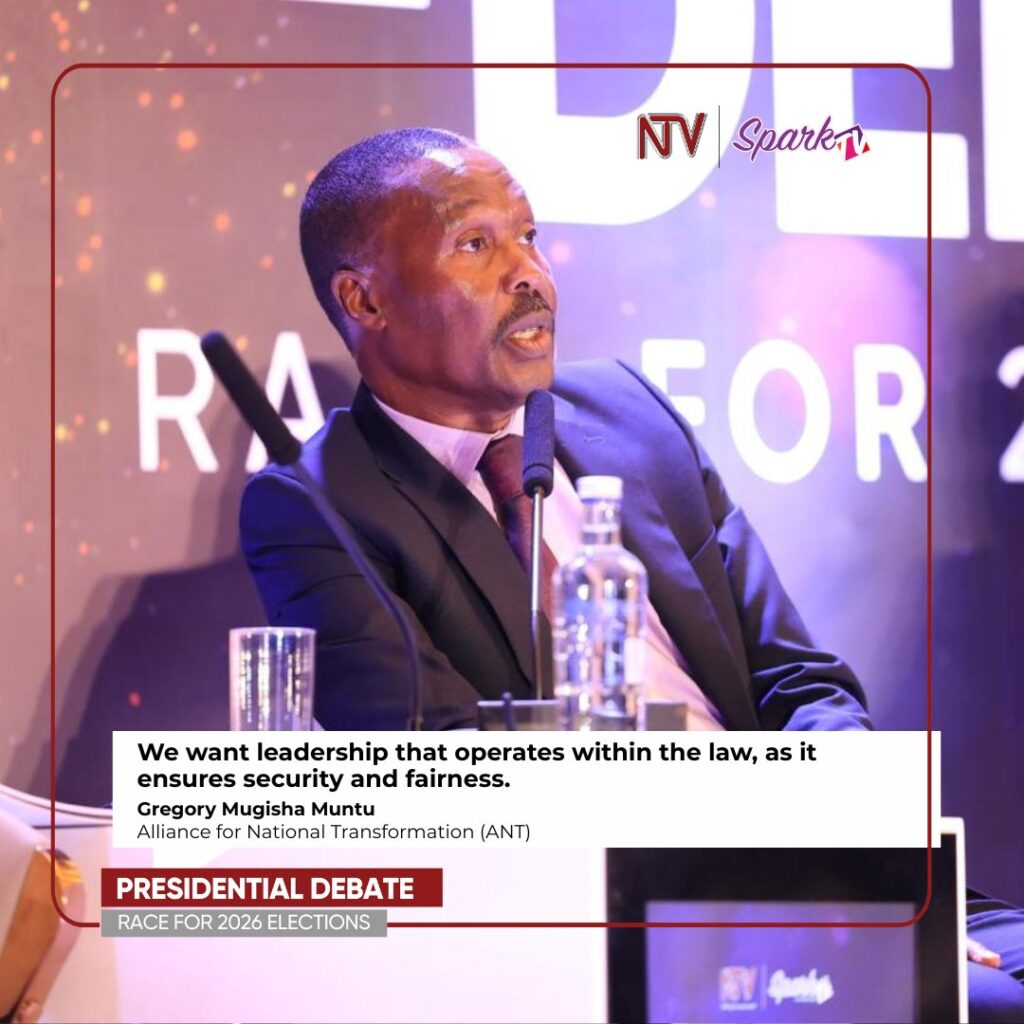
Amuriat added that the militarisation of politics is “the single biggest threat to Uganda’s democracy.”
Candidates collectively demanded the release of detained opposition supporters and an end to “arbitrary arrests” that have characterised the election season.
Museveni’s Empty Podium
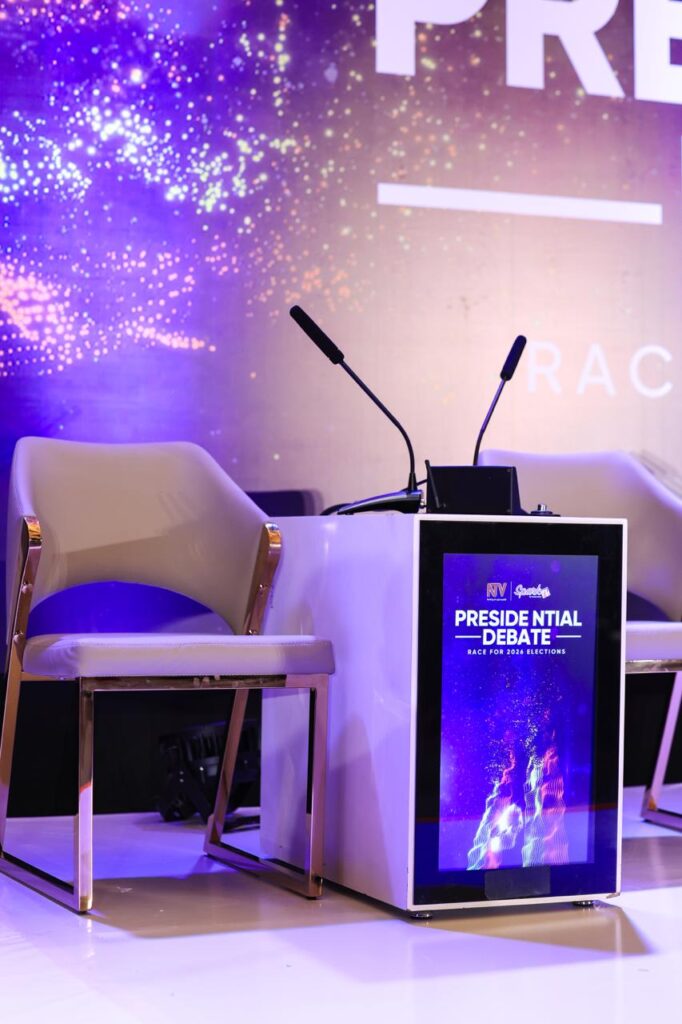
Despite his absence, the moderators extended several questions to the seat reserved for Museveni in what was described as a demonstration of fairness and transparency. His campaign later issued a brief statement saying the president “was engaged in more important state duties.”
Opposition candidates dismissed the explanation as predictable.
“If you cannot spare two hours to speak to your people, you cannot govern them for five more years,” Kyagulanyi said.
A Debate that Shifted Momentum
While analysts differ on who won the night, many agree Kyagulanyi delivered the strongest performance, largely because of Museveni’s absence and the NUP leader’s crisp articulation of a “new Uganda.”
Political commentator Dr. Fiona Kalyegira remarked:
“Kyagulanyi dominated the debate by positioning himself as the voice of generational change.”
With just months left before the 2026 general elections, the debate has intensified Uganda’s political atmosphere, raising questions about governance, accountability and the future of leadership.
What Comes Next
The Electoral Commission confirmed that a second presidential debate will be scheduled, but Museveni’s participation remains uncertain.
For now, Kyagulanyi’s message from the stage continues to echo nationwide:
“This election is not about me. It is about the future that Ugandans have been denied for 40 years.”