


Publication: The Pearl of Africa News
Date: January 13, 2026
Kampala, Uganda – The home of opposition leader Robert Ssentamu Kyagulanyi, popularly known as Bobi Wine, is currently surrounded by Ugandan police and military forces, as the country braces for presidential elections scheduled for January 15, 2026. Reports indicate that, as of 6:00 PM on Tuesday, January 13, the Ugandan government has effectively shut down internet access and disabled most phone communications nationwide.
This blackout marks the latest instance of digital restrictions during elections in Uganda, a trend that civil rights organizations have long criticized as a means to suppress information and limit scrutiny of the electoral process.
“Uganda now joins a number of authoritarian regimes worldwide that suspend internet and mobile services during elections,” said a spokesperson for a local civil society organization.
The suspension of online communications has left many Ugandans cut off from essential services. Health facilities, particularly in rural areas, rely heavily on mobile and internet connectivity to coordinate care and emergency services. Businesses that operate online are experiencing significant disruptions, resulting in financial losses for entrepreneurs and workers alike.
“The shutdown deepens the information darkness surrounding the electoral process, especially at a time when the government is arresting civilians and opposition figures,” noted an elections watchdog official who requested anonymity.
Civil society organizations have also faced severe restrictions following a government directive that effectively limits their operations. Several election monitors have been detained and denied bail, raising concerns about the transparency and fairness of the upcoming vote.
Observers highlight that this is not the first time President Yoweri Museveni, who has ruled Uganda for over four decades, has employed internet shutdowns during elections. Analysts say such measures have been used historically to obscure potential electoral irregularities from international scrutiny.
“Museveni has used internet shutdowns to rig elections and to obscure wrongdoing from international scrutiny. The prevailing situation raises serious questions about the protection of civil liberties and the integrity of the electoral process,” commented a Ugandan political analyst.
The government’s actions have drawn international condemnation. Human rights groups have called for urgent intervention and urged the global community not merely to monitor events but to actively advocate for the protection of fundamental freedoms.
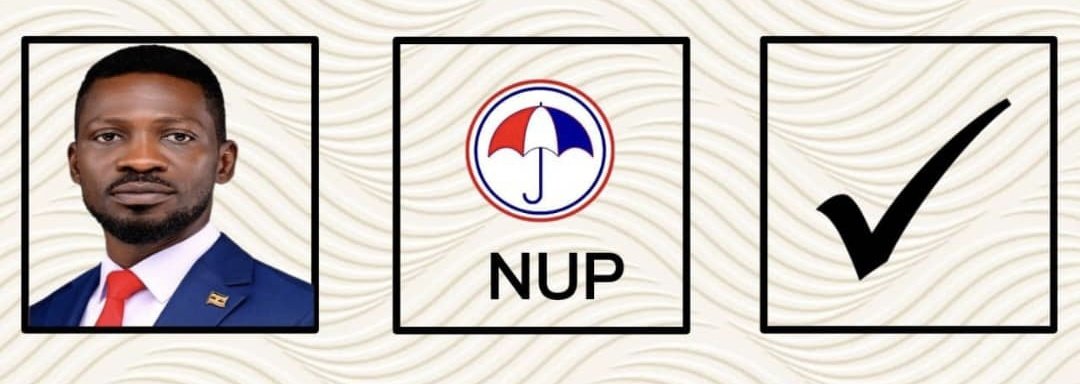
Despite these restrictions and heightened military presence, opposition figures and civil society leaders are encouraging Ugandans to remain resilient. Bobi Wine himself has called on citizens to participate peacefully in the elections and to vote for change, emphasizing the importance of democratic accountability.
“We urge all citizens to participate peacefully in the January 15 elections, vote for a new Uganda, and remain committed to pursuing democracy and accountability for a freer and more just country,” a statement from Bobi Wine’s campaign office read.
The situation underscores the fragility of civil liberties in Uganda as the nation approaches a critical electoral moment. International observers and local activists alike stress that ensuring free and fair elections is crucial not only for political legitimacy but also for the protection of human rights and public trust in governance.
As of Tuesday evening, military and police forces continued to maintain a heavy presence around Bobi Wine’s residence. Internet and mobile service providers had not issued a timeline for restoring connectivity, leaving millions of Ugandans without access to real-time news or digital communication on the eve of elections.
The world will be watching closely as Uganda heads into elections under conditions marked by digital blackouts, restricted civic engagement, and an atmosphere of heightened tension. Observers stress that safeguarding democratic principles and civil liberties remains essential to ensuring that the voices of ordinary Ugandans are not silenced.