


By Staff Reporter
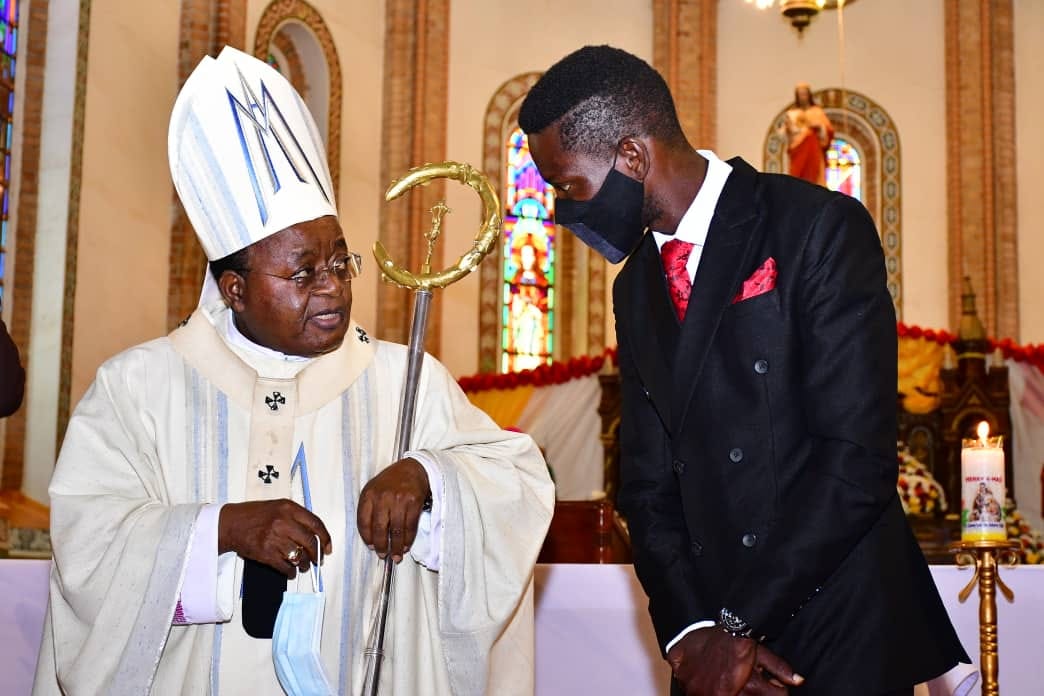
A Catholic priest has stirred national debate after telling President Yoweri Museveni that Uganda has “gone back to where it was before 1986.” He sharply criticized the country’s current political climate, governance record, and deepening social tensions. The remarks—delivered during a pastoral engagement earlier this week—have since circulated widely. They have ignited public discussion on the state of the nation nearly four decades after the National Resistance Movement (NRM) took power.
The priest, whose identity church leaders have confirmed but withheld due to concerns about potential reprisals, spoke candidly before the President. He said many Ugandans feel betrayed by the very government that once promised peace, stability, and transformation. He noted that rising insecurity, political persecution, corruption, and growing public mistrust were reminiscent of the very conditions the NRM government vowed to end when it captured power in 1986.
“Your Excellency, Uganda has gone back to where it was before 1986,” the priest reportedly said.
“The fear among citizens, the injustices, the violence, and the disregard for the poor reflect a nation losing its moral compass.”
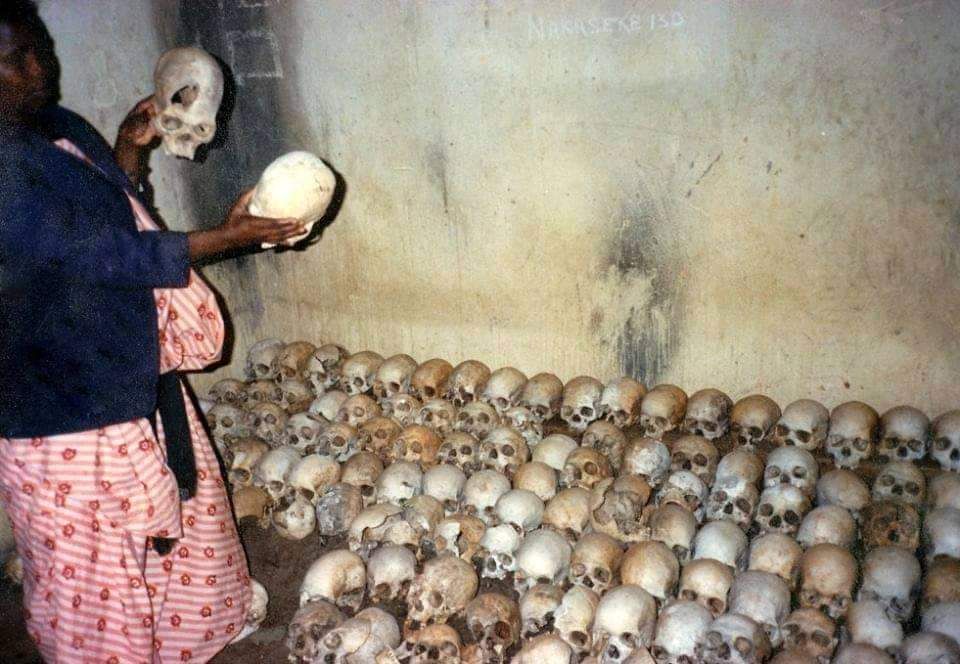
His bold message touched on issues that have dominated national discourse in recent years. These include harsh crackdowns on opposition activities, allegations of torture, widening economic inequality, and the militarization of civic life. According to the priest, the church cannot remain silent as ordinary Ugandans struggle under conditions that contradict national aspirations. Uganda was once celebrated for a fresh start after decades of turmoil.
The President reportedly listened without interruption. However, officials who attended the event said Museveni appeared visibly unsettled by the remarks. The NRM has long maintained that Uganda is far more stable and economically vibrant today than it was in the 1970s and early 1980s. However, critics argue that the administration has drifted away from the democratic principles it once championed. This occurs especially as political tensions continue to rise ahead of future electoral cycles.
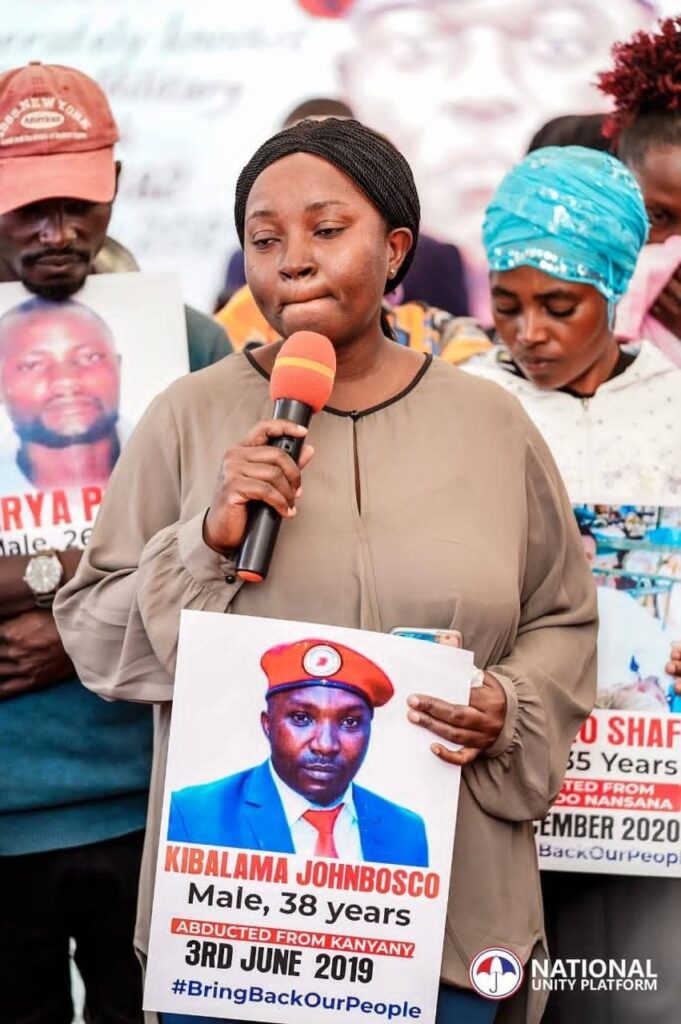
Civil society groups, human rights advocates, and opposition voices have praised the priest’s courage. They say many clerics and community leaders fear speaking openly due to increasing pressure from state agencies. Some analysts argue that such direct confrontation from respected religious leaders signals growing frustration across institutions. These institutions have traditionally tried to remain neutral.
Political commentator Sarah Atwine described the statement as “a mirror held up to the nation.” She noted that clergy have historically played a major role in shaping Uganda’s moral and political direction. Their criticisms often reflect deeper societal anxieties. “When a priest tells the President to his face that the country is sliding backwards, it is not simply an opinion—it is an alarm,” she said.
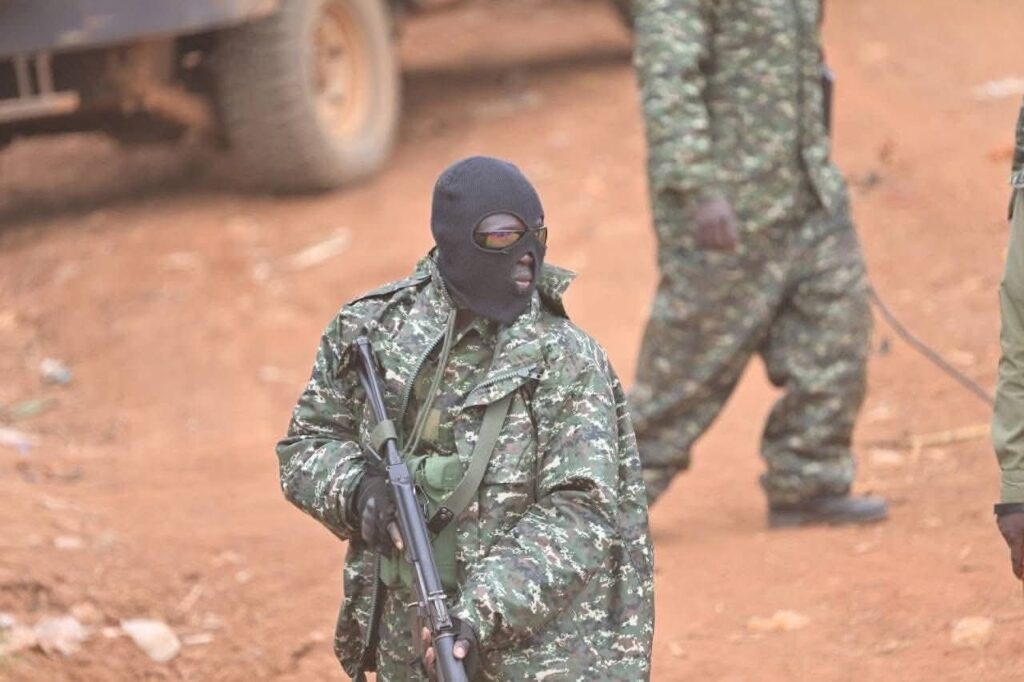
Still, some NRM supporters insist that Uganda’s challenges must be viewed within the context of global economic turbulence and regional insecurity. They argue that calls for reform should not be interpreted as evidence of national collapse. They maintain that the country remains more stable today than at any other point before 1986.
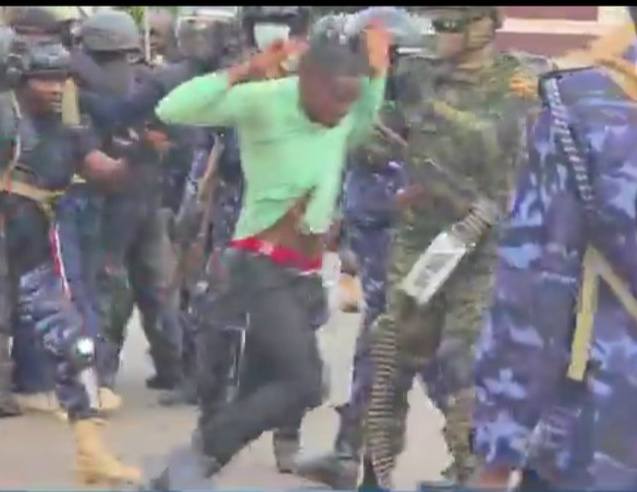
Whether the priest’s message will lead to policy reflection or intensify the political divide remains to be seen. His words have undeniably struck a chord, adding new urgency to the ongoing debate about Uganda’s governance. The future its citizens hope to reclaim adds to the discussions.