


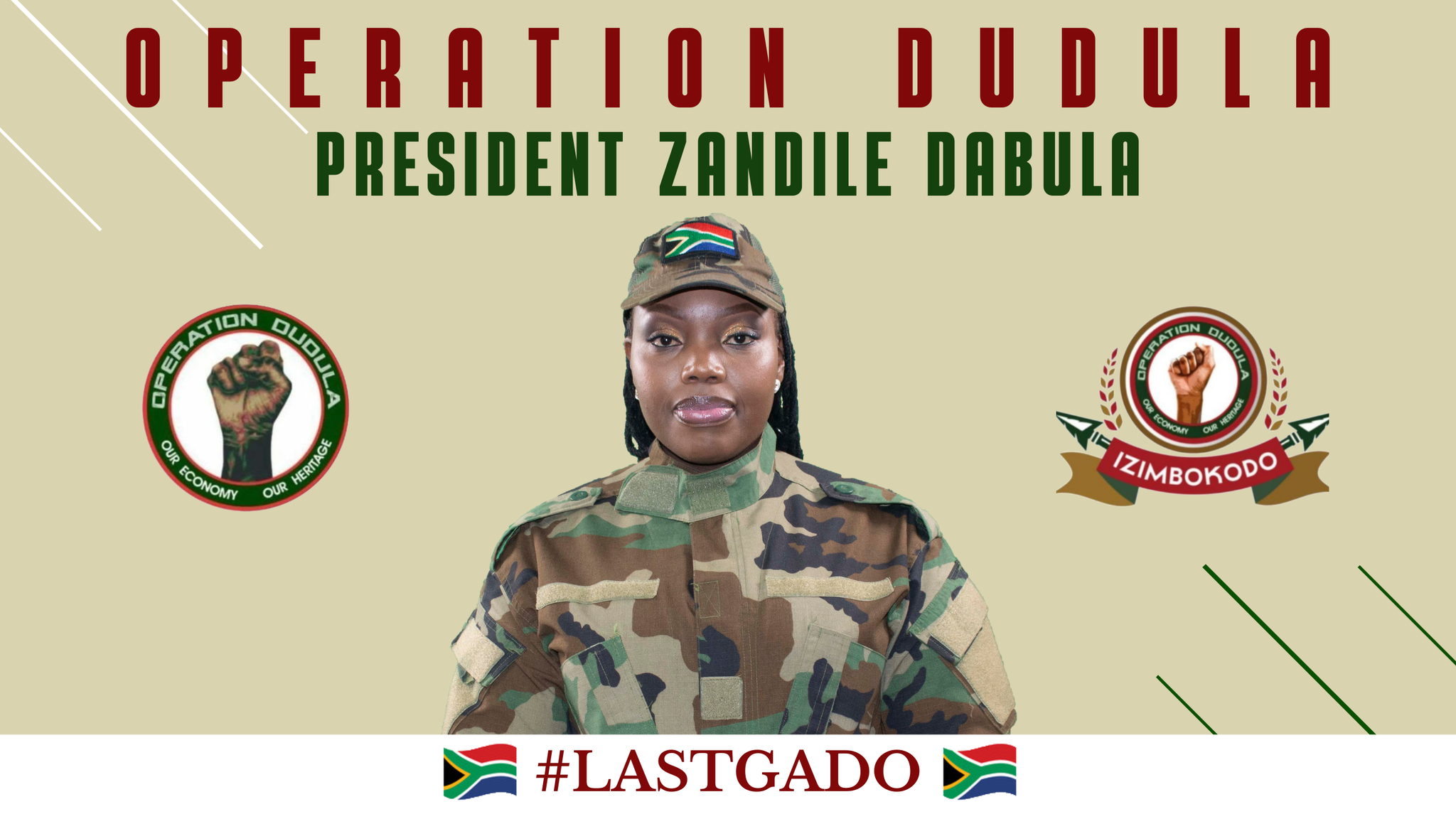
Johannesburg, South Africa – In a landmark ruling on November 4, 2025, South Africa’s Gauteng High Court issued an interdict against the controversial anti-immigrant group Operation Dudula, condemning its actions of blocking foreign nationals from accessing basic public services. The court’s decision marks a critical point in the ongoing debate surrounding xenophobia, vigilantism, and the rights of non-citizens in South Africa.
“Operation Dudula’s actions have been found to violate the constitutional rights of foreign nationals,” said Judge Lina Mkhize in her ruling. “No group or individual can substitute the role of the state in enforcing the law.”
What Led to the Court’s Decision?
Operation Dudula, which means “push out” in isiZulu, was formed as a movement to curb what it perceives as the detrimental effects of mass immigration on South African communities. The group has increasingly targeted foreign nationals, conducting raids at clinics, hospitals, and schools, demanding that foreign nationals provide identification or leave public spaces. These actions have sparked outrage among civil rights organizations, which argue that such vigilantism undermines South Africa’s constitution and contributes to xenophobic violence.
In its ruling, the court found that Operation Dudula’s actions at public facilities, such as schools and healthcare services, amounted to unlawful harassment and intimidation. This move is seen as a significant legal victory for migrant rights groups and a blow to the growing trend of vigilante justice.
Key Points of the Court Ruling:
- Public Services Access: The court banned Operation Dudula from preventing any foreign nationals, regardless of documentation status, from accessing public healthcare, education, or housing.
- Prohibition on Identity Demands: Dudula members were also prohibited from demanding identification from individuals seeking state services, unless authorized by the law.
- Government Action on Xenophobia: The court also directed the South African government to expedite the implementation of its National Action Plan on Xenophobia, ensuring protection for all residents, regardless of their nationality.
“This ruling upholds the principle that rights cannot be limited by the actions of any private group,” said Zanele Dlamini, a lawyer for the plaintiff, in a statement following the decision. “It sends a strong message against xenophobic intolerance.”
Impact on Operation Dudula and the Political Landscape
For Operation Dudula, the decision is a major setback. The group, which has gained a large following due to its anti-immigrant rhetoric, has vowed to continue its campaign. Some of its leaders argue that the state is not doing enough to tackle the growing number of undocumented immigrants and the associated socio-economic problems, including high unemployment and crime.
The ruling has polarized public opinion, with critics of the group accusing it of stoking division and playing on public fear of foreigners. However, supporters maintain that Operation Dudula is a necessary voice in addressing what they see as the government’s failure to secure South African borders and protect local jobs.
Reactions from Civil Rights Groups and the Public
Human rights organizations have hailed the judgment as a victory for constitutional democracy, affirming that the rights of all individuals – whether citizens or foreign nationals – must be protected under South African law. However, while the ruling has been widely praised, some warn that the issue of xenophobia will not be easily resolved.
“This court ruling is a step in the right direction,” said civil rights advocate, Thabo Khumalo. “But it’s clear that the social and economic factors that fuel these movements are still very much present. The government must act swiftly to address the underlying causes of this discontent.”
With unemployment in South Africa at an all-time high and the public services sector under immense pressure, Operation Dudula’s messaging has found an audience among many who feel neglected by the state. As tensions around immigration and service delivery continue to simmer, the government will have to balance legal enforcement with broader socio-economic reforms.
What’s Next for South Africa?
The government is now under court order to implement the National Action Plan on Xenophobia, a set of guidelines aimed at addressing racial and ethnic intolerance in South African society. This will require policy changes, increased support for marginalized communities, and stronger enforcement of anti-xenophobia laws.
It remains to be seen how the state will respond to this challenge. With rising discontent among certain segments of the population and the continued growth of groups like Operation Dudula, the debate over immigration, crime, and unemployment is far from over.
The Bigger Picture: Xenophobia and Migration in South Africa
As South Africa grapples with deepening economic inequality and strained public services, the conversation around immigration remains contentious. While many South Africans blame foreigners for taking up resources and driving down wages, experts argue that such issues are more complex and cannot be solely attributed to immigration.
“The root causes of unemployment and service delivery issues are structural,” says Professor Michael Tsegaye, an economist at the University of Cape Town. “Blaming foreign nationals for these problems is both misleading and harmful.”
With the High Court’s ruling, the focus shifts back to the state’s responsibility to uphold human rights and deliver essential services to all residents, regardless of their immigration status. Whether this will lead to meaningful change remains to be seen.
Conclusion: A Turning Point for Vigilantism in South Africa
The court’s decision marks a significant shift in the legal landscape, curbing the rise of vigilantism under the guise of protecting South African interests. For foreign nationals and migrant communities, this ruling provides some legal recourse against harassment, but the broader challenges of integration, inequality, and xenophobia will require long-term, systemic solutions.
South Africa’s path forward hinges on how effectively the state can address the complex factors driving both the rise of movements like Operation Dudula and the experiences of vulnerable communities. The fight for a fair and inclusive society continues, and this ruling serves as a reminder that the rule of law must always prevail.