


Date: 13 December 2025
Place: Rukungiri District, Uganda
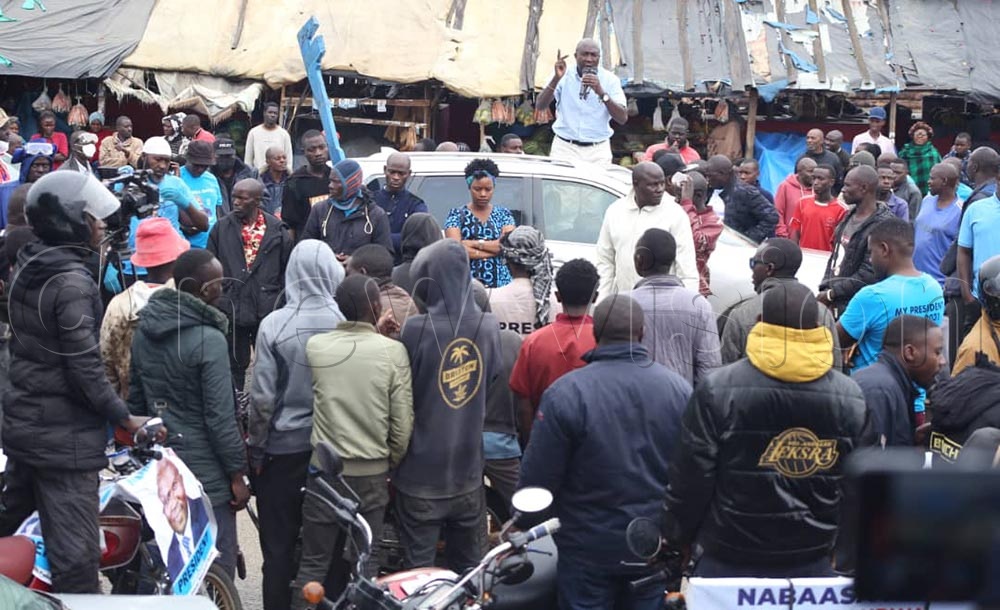
Nathan Nandala Mafabi, a senior figure within the Forum for Democratic Change (FDC), faced open hostility and boos in Rukungiri District. This area is the political stronghold of detained opposition stalwart Dr. Kizza Besigye. The situation dramatically illustrates the deepening crisis within Uganda’s once-united opposition party.
Mafabi’s visit to Rukungiri was intended as part of early mobilization efforts ahead of the 2026 general elections. However, it quickly turned tense as angry supporters confronted him with chants of “You sold our party.” This reflected long-standing resentment over internal disputes that have fractured the FDC. The hostility underscores unresolved leadership wrangles and ideological differences. These continue to haunt the party’s grassroots support, particularly in areas fiercely loyal to Besigye.
Rukungiri has historically been synonymous with Dr. Besigye’s political activism and resistance politics. His continued detention has heightened emotions among supporters. Many believe the FDC leadership failed to adequately defend him. Critics describe Mafabi as part of a faction that weakened Besigye’s influence within the party, making him the focal point of this anger.
Eyewitnesses reported that sections of the crowd interrupted Mafabi’s address with jeers and hostile slogans. They accused him and other party leaders of abandoning the founding principles of the FDC. Some supporters alleged that internal negotiations and power struggles within the party diluted its role as a strong opposition force. This paved the way for fragmentation and loss of public trust.
The confrontation highlights the broader FDC internal divisions ahead of 2026 elections. It is a challenge that threatens the party’s relevance in an increasingly competitive opposition landscape. Since the emergence of breakaway factions and rival opposition formations, the FDC has struggled to present a united front. Leadership legitimacy and strategic direction remain contentious issues.
Political analysts say the Rukungiri incident is symbolic rather than isolated. “What happened to Mafabi is a reflection of unresolved anger at the grassroots,” said a Kampala-based political observer. “Many supporters feel the party lost its soul, especially with Besigye sidelined and detained. Until that rift is addressed honestly, FDC leaders will continue facing resistance in stronghold areas.”
Mafabi, a seasoned politician and former Leader of the Opposition in Parliament, attempted to calm the crowd by calling for unity and dialogue. He emphasized the need for collective action to challenge the ruling establishment in 2026. However, his message struggled to resonate with supporters. These supporters remain emotionally aligned with Besigye’s confrontational brand of opposition politics.
The incident raises serious questions about the FDC’s preparedness for the 2026 elections. Opposition politics in Uganda have become increasingly fragmented. Therefore, internal cohesion will be critical for any party seeking to mount a credible challenge. For the FDC, rebuilding trust in Besigye’s backyard may prove to be one of its toughest tests yet.
As the 2026 race draws closer, events in Rukungiri serve as a stark warning. Without reconciliation and clarity of purpose, the FDC risks further alienation of its core base. This could potentially reshape Uganda’s opposition politics for years to come.