


Armed with smartphones, hashtags, and fearless conviction, a new generation of Africans — restless, connected, and unapologetic — is rising up against corruption, joblessness, and political decay. From Uganda to Morocco, Gen Z isn’t asking for change anymore. They’re demanding it
| Global Youth Watch | November 2025
“We’re not the future — we’re the now,” declares a 22-year-old protester from Nairobi, echoing a sentiment reverberating across the continent.
A storm is brewing across Africa — one not fueled by guns or generals, but by tweets, TikToks, and truths too long ignored. From Kampala’s streets to Casablanca’s cafés, Generation Z has launched a digital rebellion that’s morphing into a full-blown political awakening.
In Kenya, Gen Z turned anger into action during the 2024–2025 anti-tax protests. The hashtag #RutoMustGo trended globally as thousands of young Kenyans flooded the streets — and the state’s complacency. What began as outrage over rising living costs became something deeper: a demand for a new social contract.
Meanwhile in Morocco, the movement GenZ 212 has become a lightning rod for frustration. Young Moroccans, tired of unemployment and hollow promises, are exposing what they call the “glittering lie” of development — a nation investing billions in prestige projects while everyday citizens struggle to find jobs.
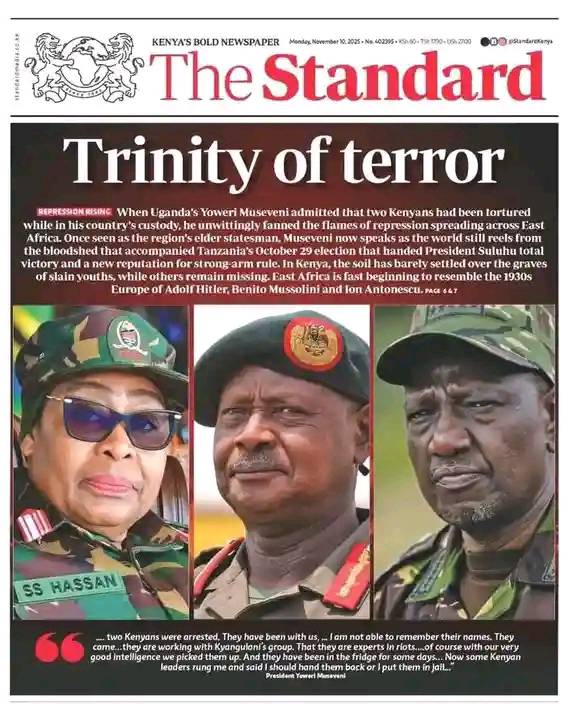
In Uganda and Tanzania, youth-led digital networks are outsmarting censors, creating underground hubs of resistance. Their message is consistent: the era of recycled leaders is over.
“They think we’re lazy,” says one Tanzanian student. “We’re just done waiting.”
Across Africa, Gen Z’s uprising is redefining activism. It’s borderless, leaderless, and fearless — a decentralized movement that rejects old political ideologies in favor of radical transparency and real opportunity.
Governments are scrambling. Internet shutdowns, cyber surveillance, and state propaganda have become their go-to defenses. But every shutdown only fuels more anger — and more innovation.
“You can’t silence a generation raised online,” says a Moroccan activist.
As the continent’s youngest citizens — more than 60% of Africa’s population — step into the political spotlight, one thing is clear: this isn’t a fleeting moment. It’s a reckoning.
The youth are no longer whispering for change. They’re roaring for revolution.