

Kampala, Uganda — December 1, 2025
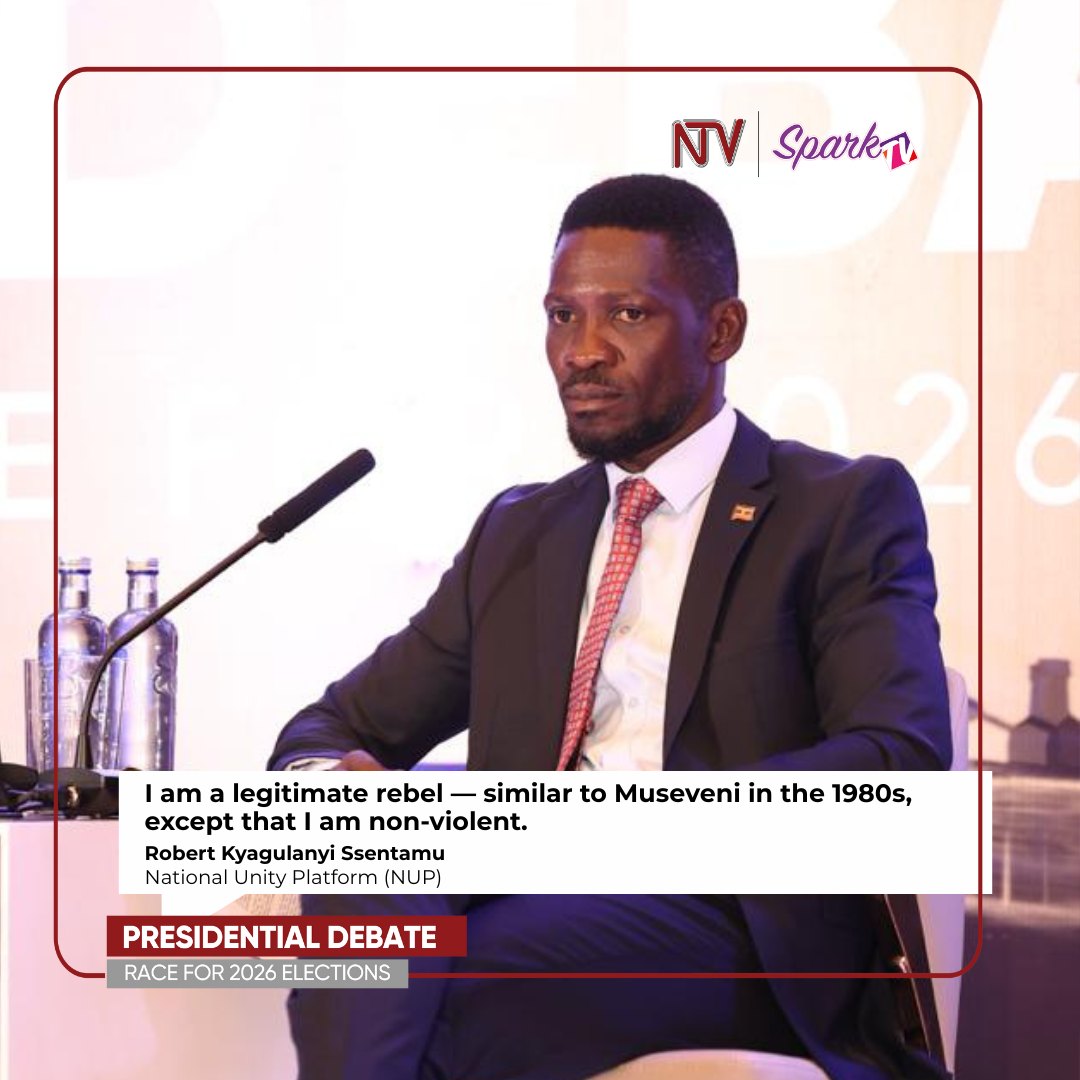
In one of the most striking moments of the 2025 Uganda Presidential Debate, National Unity Platform (NUP) leader Robert Kyagulanyi Ssentamu, commonly known as Bobi Wine, described himself as a “legitimate rebel,” drawing historical parallels between his political struggle and President Yoweri Museveni’s rise to power in the early 1980s—while stressing that his rebellion is rooted in non-violence.
“I am a legitimate rebel, similar to Museveni in the 1980s, except that I am non-violent,” Kyagulanyi told the debate moderators, prompting loud applause from sections of the audience.
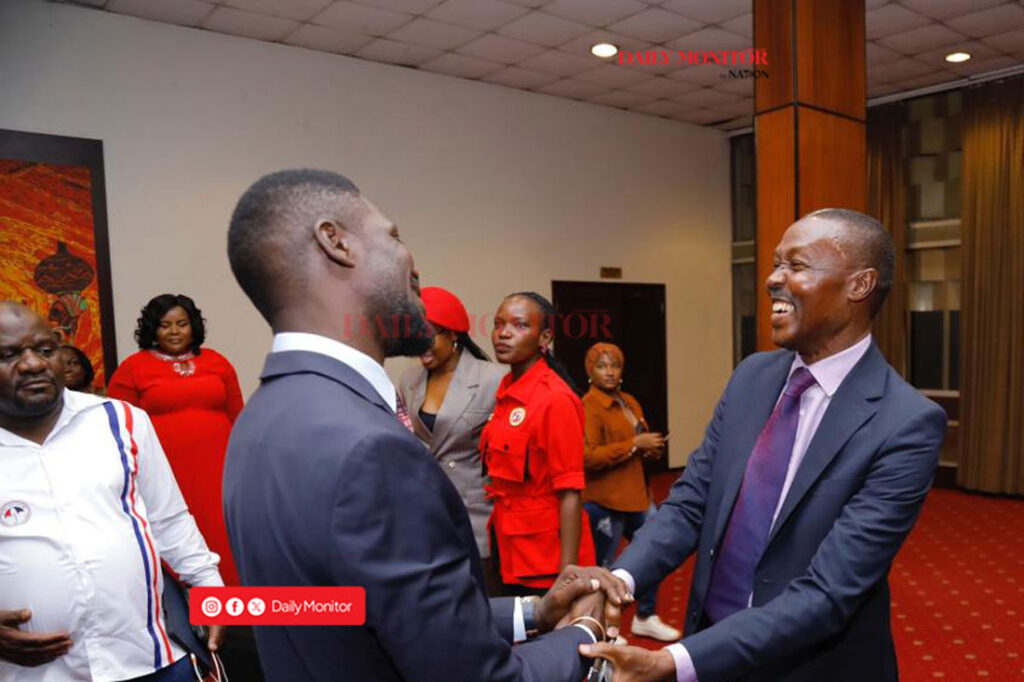
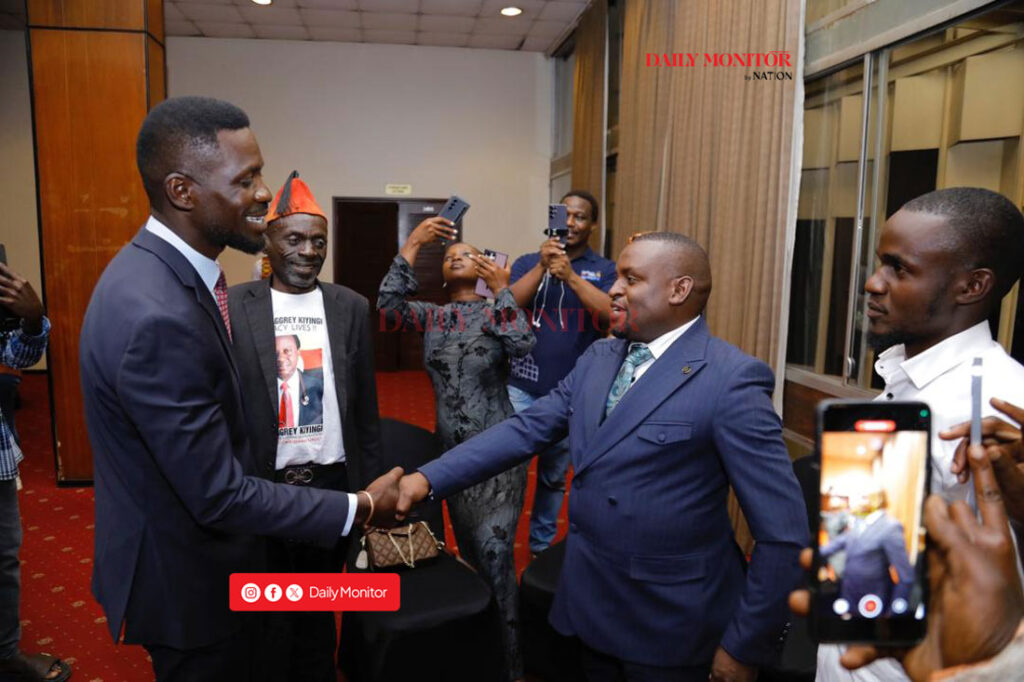
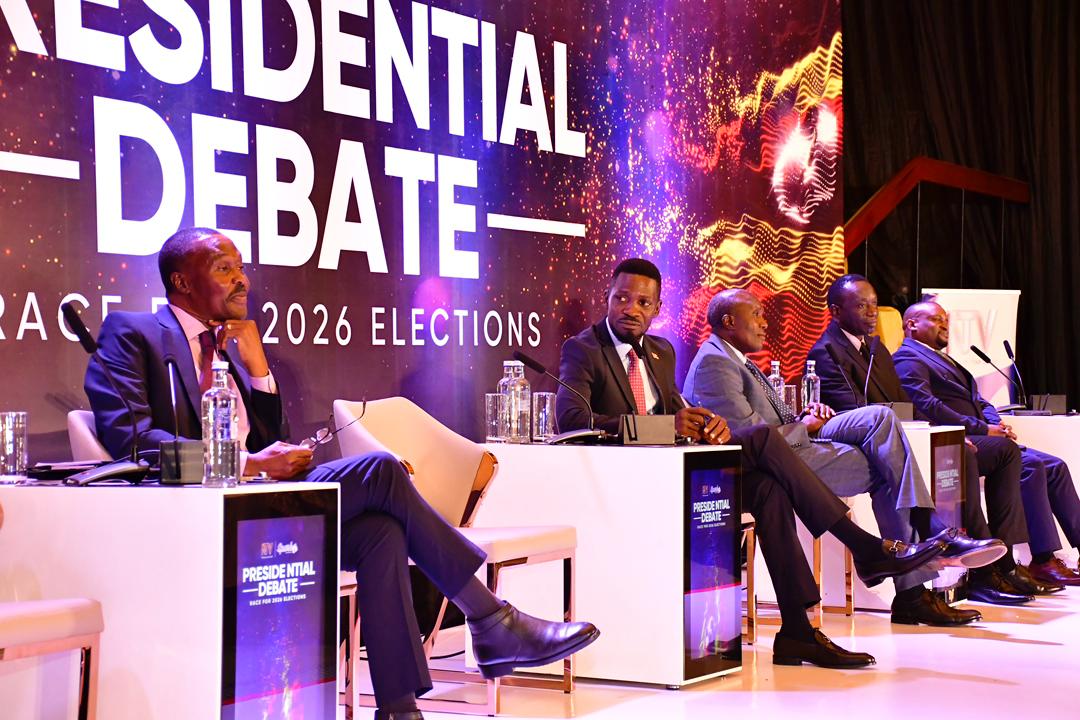
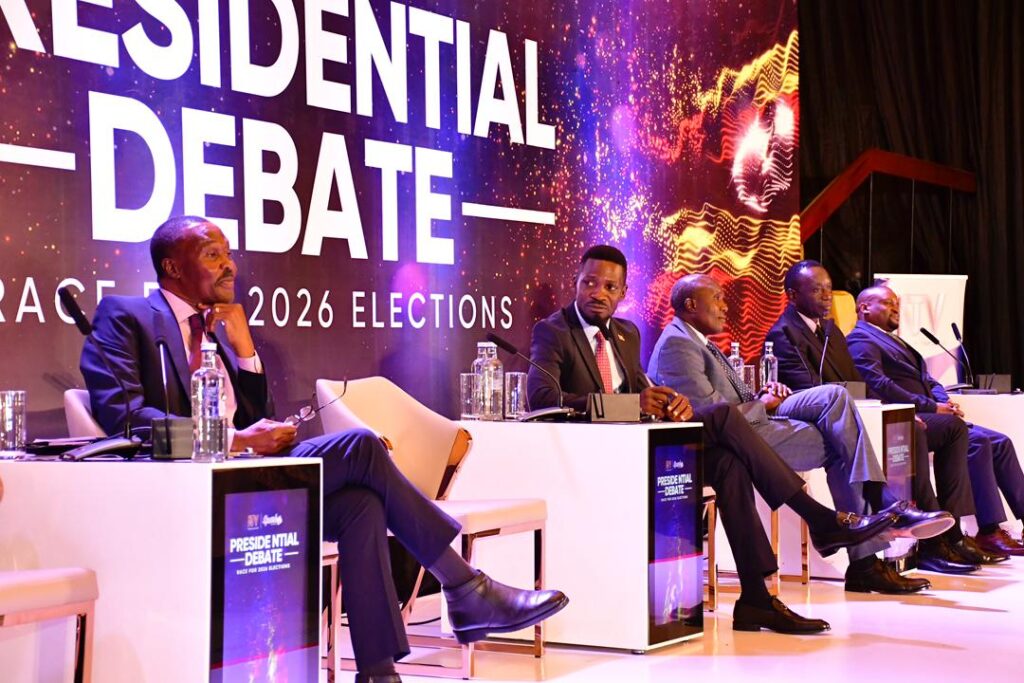
The highly anticipated debate, held at the Serena International Conference Centre, featured presidential contenders discussing governance reforms, human rights, corruption, and the upcoming 2026 general election. Museveni, who has been in power since 1986, did not attend—an absence heavily criticized by opposition candidates.
A Direct Challenge to the Legacy of 1980s Politics
Kyagulanyi’s loaded comparison to Museveni’s Bush War era instantly took center stage in post-debate conversations. The NUP leader argued that Uganda is experiencing the same political conditions that triggered the armed struggle of the 1980s—only that today’s resistance is conducted through civic organizing and democratic pressure.
“Ugandans have a right to stand up when the system fails them, but we insist on doing it peacefully,” he emphasized.
He accused the current government of suffocating democratic space, citing police brutality, suppression of opposition rallies, and the incarceration of political activists.
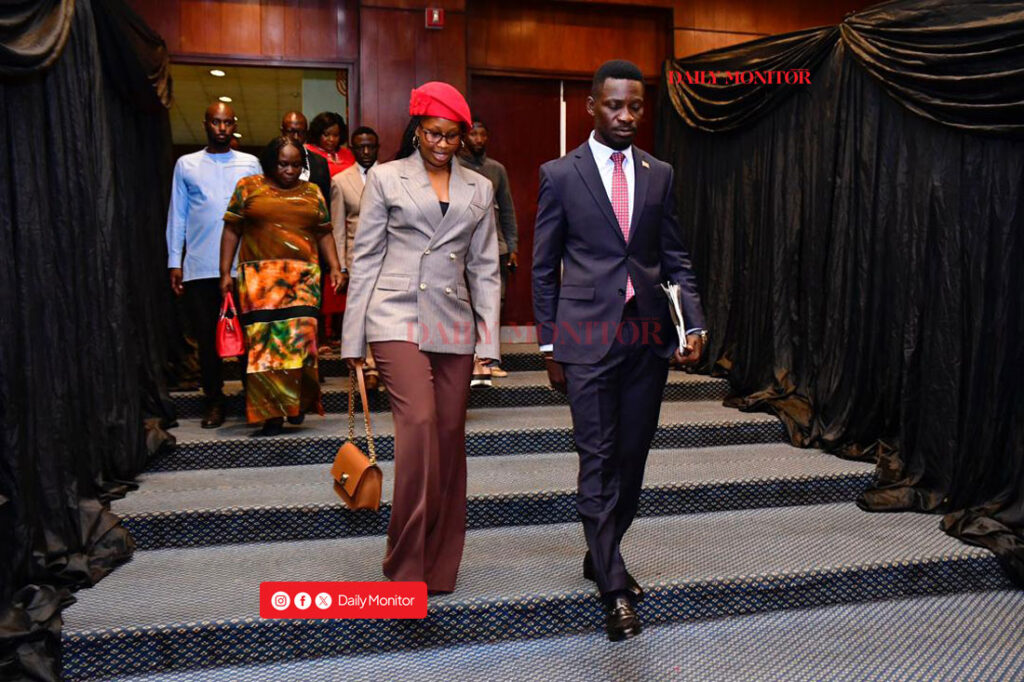
A Debate Dominated by Governance and Accountability
Other candidates, including Alliance for National Transformation (ANT) leader Maj Gen Mugisha Muntu and FDC’s Patrick Oboi Amuriat, echoed concerns about insecurity, corruption, and economic inequality.
However, Kyagulanyi’s bold statements overshadowed much of the night. He framed the 2026 election as a historic contest between authoritarian continuity and a new democratic awakening.
“This is not just an election; it is a generational stand for freedom,” he said.
His remarks are expected to intensify tensions ahead of the 2026 polls, especially within security circles wary of rhetoric referencing past rebellions.
Museveni’s Absence: A Recurring Talking Point
President Museveni’s no-show gave opposition candidates an open floor to challenge him without immediate rebuttal.
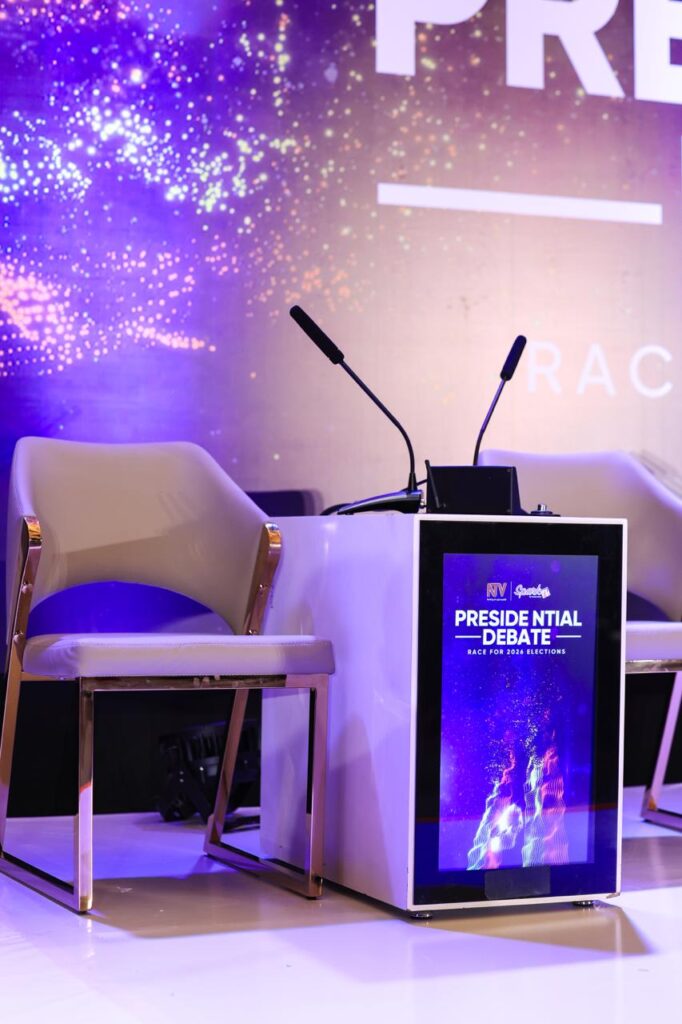
Kyagulanyi seized the moment, insisting that the President avoided accountability:
“General Museveni does not want to face the nation because he knows his time has passed,” he declared.
Political analysts noted that Museveni has skipped several major debates in past election cycles, often dismissing them as “unnecessary theatrics.”
Public Reaction and What Comes Next
Online platforms erupted minutes after the quote went viral, with supporters praising Kyagulanyi’s courage and critics accusing him of romanticizing rebellion. Civil society groups have urged calm, emphasizing the need for peaceful political engagement as the country approaches a sensitive election season.
The Uganda Electoral Commission has not commented on the implications of Kyagulanyi’s statement but reiterated the importance of non-violence throughout the campaign period.
As Uganda prepares for the 2026 vote, the debate has set the tone: a deeply polarized contest where political history, legitimacy, and the future of governance will dictate public conversation.