


As President Yoweri Kaguta Museveni prepares to return to Kasese for the Rwenzori leg of his 2025 campaign trail, the district is once again confronting a painful chapter of its history. Kasese remembers Rwenzururu killings, and while banners, posters and mobilization teams move through towns like Kirembe, Kasese town, Hima and Bwera, many residents say the excitement of a presidential visit cannot erase the lingering trauma of the 2016 Rwenzururu Kingdom killings.
For some locals, Museveni’s anticipated address is a political highlight; for others, it is a reminder of a wound that has never fully healed since the Kasese Rwenzururu incidents.
Memories That Refuse to Fade
On November 27, 2016, the UPDF raided the Rwenzururu Royal Palace in Kasese, in an operation that left more than 100 people dead, including royal guards, civilians, women, and children. The state accused palace guards of forming an armed militia — claims that remain hotly disputed by kingdom loyalists and human rights organisations.
Nearly nine years later, many Kasese residents say they still carry the grief and unanswered questions left behind by the massacre. Survivors recall bodies collected in trucks, families searching for missing relatives, and a kingdom left in ruins, all contributing to how Kasese remembers these tragic events.
With the ongoing trial of Omusinga Charles Wesley Mumbere only concluding in 2023 — and all major charges dropped — some in Kasese believe justice has yet to be fully served. As one resident in Kasese town put it, “We hear the campaigns coming, but no one talks about what happened to our people. We still remember.”
Elwelu in the Spotlight Again
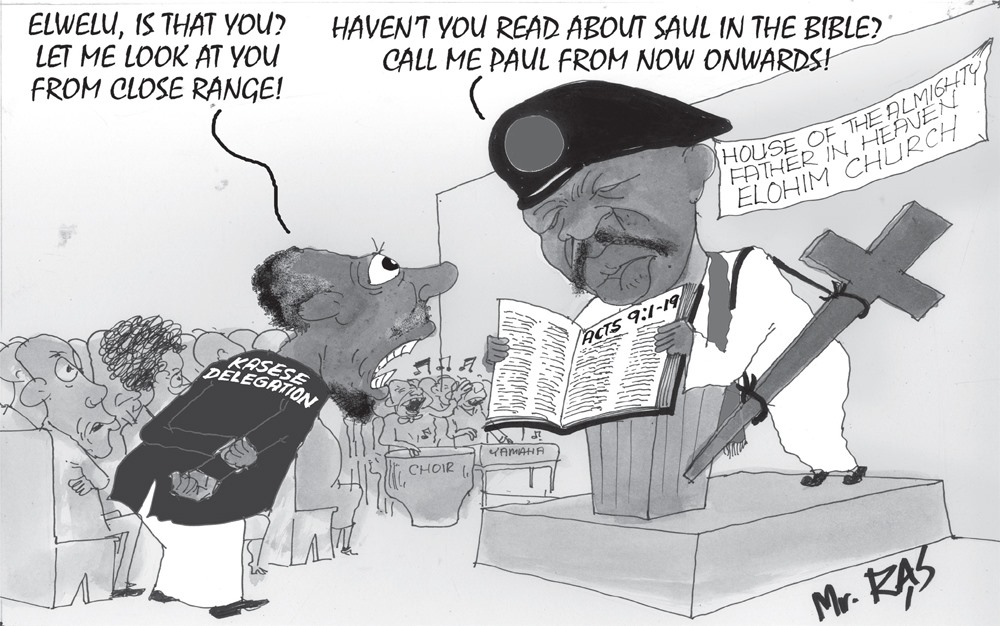
The upcoming visit has also renewed public discussion about Lt Gen. Peter Elwelu — the then–3rd Division Commander who led the 2016 palace attack, a significant event that Kasese remembers in relation to Rwenzururu.
Elwelu re-entered national conversation this week when President Museveni commissioned a newly built church in the general’s ancestral village in Anyara, Kalaki District. The church, funded and constructed by Elwelu, has been celebrated by NRM leaders in Teso as a symbol of faith, development, and gratitude to the community.
But in Kasese, reactions are mixed. While some appreciate his military service and philanthropy, others associate his name with one of the most devastating events in their recent history, reminding them of the Rwenzururu killings.
Campaign Promises vs. Historical Wounds
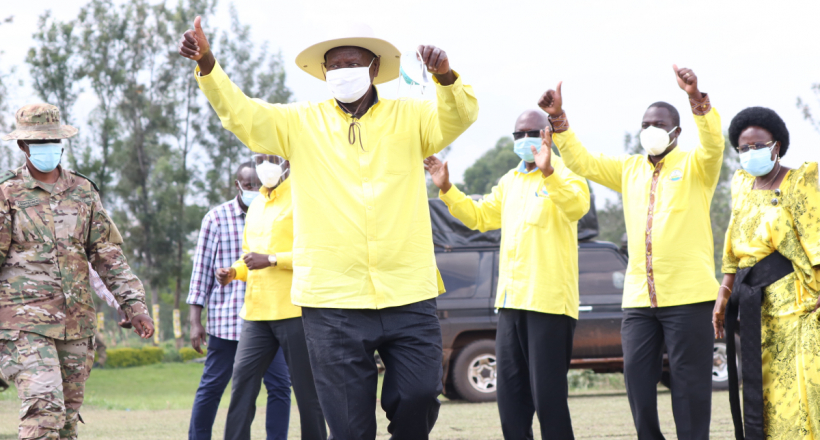
State House officials say Museveni’s visit to Kasese will focus on development achievements, tourism in the Rwenzori region, security stabilisation, and new infrastructure projects. The President is also expected to meet local NRM leaders and address a major rally.
However, political analysts argue that the emotional landscape of Kasese is more complex than typical campaign messaging.
“This region has experienced conflict, displacement, and political tension for decades,” says a Kampala-based political observer. “Any presidential visit inevitably brings back questions about 2016 — questions many feel were never sufficiently addressed, especially when Kasese remembers Rwenzururu events.”
A District at a Crossroads
Kasese remains a deeply significant part of Uganda’s political map — both strategically and emotionally. As the campaign machinery rolls into the Rwenzori foothills, residents are left balancing anticipation for development promises with memories they cannot simply set aside.
Whether Museveni’s visit will soothe long-standing wounds or reignite debate over the Rwenzururu killings remains to be seen. But one thing is clear: Kasese has not forgotten, as it deeply remembers Rwenzururu affairs.