


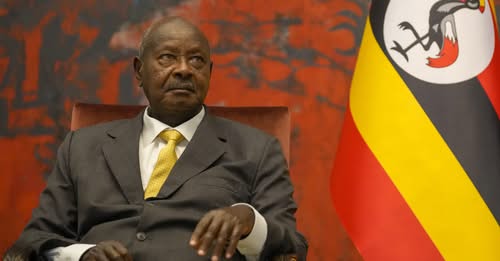
By The Pearl of Africa Newspaper | Kampala, Uganda
Date: 31 December 2025 The Mpigi–Kampala Highway traffic jam increased significantly as Museveni campaigns in the area. This caused delays for commuters. The scene of traffic jams on the Mpigi–Kampala Highway as Museveni campaigns has become familiar.
Motorists traveling along the busy Mpigi–Kampala Highway on Tuesday were left stranded for hours. This happened after President Yoweri Kaguta Museveni reportedly halted traffic. He stopped to address residents while on a campaign trail. It marked another instance of the Mpigi–Kampala Highway’s traffic jam as Museveni campaigns. The highway turned into an impromptu political rally ground. The situation was further compounded by unexpected road closures.
The incident, which occurred on the morning of 30 December 2025, sparked widespread frustration among commuters, transport operators, and business owners. Many were caught unprepared for the prolonged standstill. Eyewitnesses say that Museveni was campaigning, and his convoy stopped along a central section of the highway near Mpigi town. There, Museveni reportedly sat in the middle of the road. He addressed residents who had gathered to listen to his campaign message ahead of the 2026 general elections.
“We were stuck for more than three hours without any explanation,” said James Kato, a commercial taxi driver traveling from Mpigi to Kampala. “Passengers were angry, fuel was running out, and some people had medical emergencies, but no one seemed to care.”
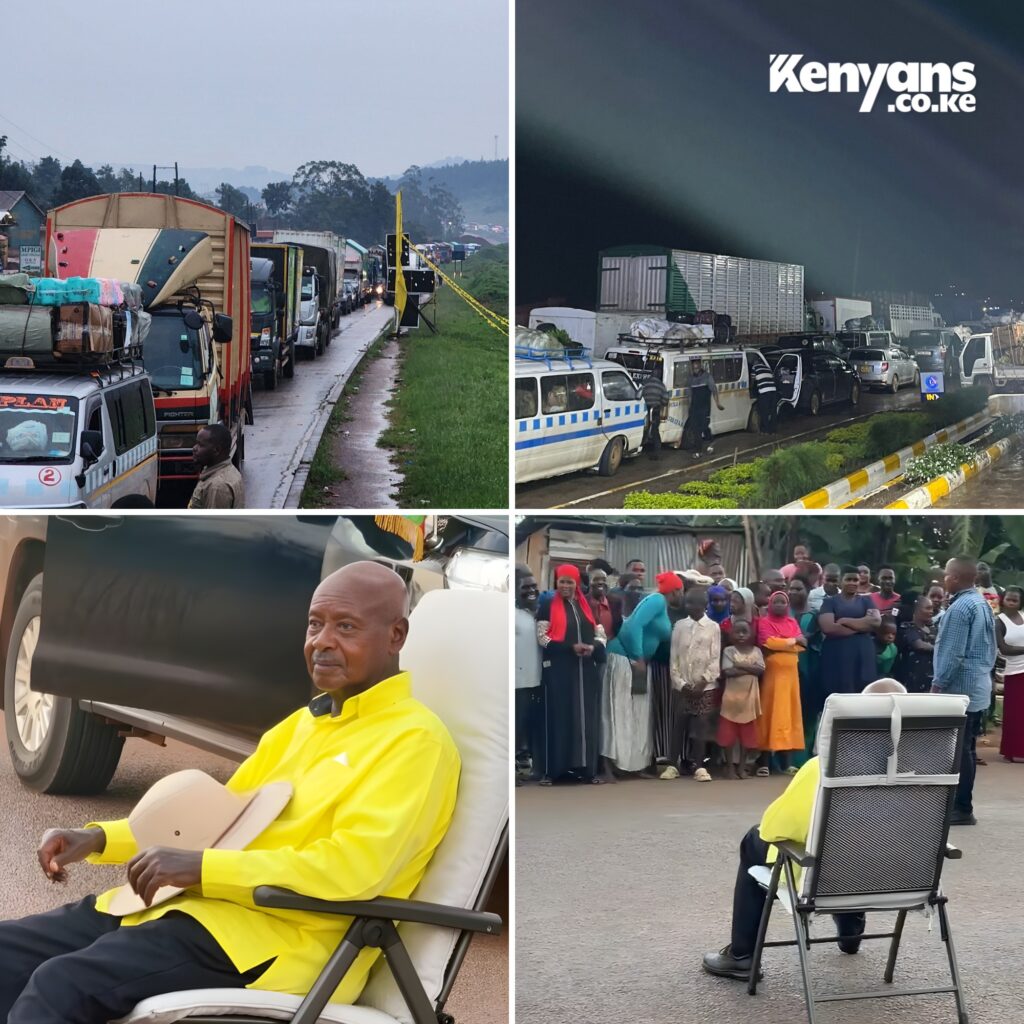
The Mpigi–Kampala Highway is a crucial artery linking Uganda’s capital to the western and southwestern regions of the country. On an average day, thousands of vehicles use the route. This includes buses, cargo trucks, taxis, and private cars. They transport goods, workers, and students. Tuesday’s disruption brought traffic to a near-total halt. Vehicles stretched for kilometers in both directions. This is not the first time the highway has seen such disruptions due to campaign events, and the Mpigi–Kampala Highway traffic jam as Museveni campaigns is a recurring issue.
Social media platforms quickly filled with images and videos. These showed long queues of stranded vehicles, visibly distressed commuters, and security personnel forming human barricades. They kept traffic off the road. Critics argue that the episode highlights the growing tension between political campaigning and public convenience. This is especially true as the election season intensifies.
“This is not just about inconvenience; it is about abuse of power,” said Sarah Namusoke, a Kampala-based civil society activist. “No leader, regardless of position, should paralyze a national highway for a political address.”
According to witnesses, some motorists abandoned their vehicles in frustration. Others attempted risky U-turns or detours through village roads. They tried to escape the gridlock caused by the traffic jam on the Mpigi–Kampala Highway as Museveni campaigns. Business owners in Kampala reported delayed deliveries, missed appointments, and losses attributed directly to the traffic disruption.
Government officials and security agencies had not, by press time, issued a formal statement. They did not explain why traffic was not diverted or managed more effectively. However, ruling party supporters defended the President’s actions, emphasizing the right to campaign and interact with the citizens despite the Mpigi–Kampala Highway traffic jam as Museveni campaigns.
“The President listens to people wherever they are,” said Peter Ssembatya, a supporter who attended the roadside address. “If citizens want to speak to him, why should that be a problem?”
Political analysts say the incident underscores the increasingly contentious nature of Uganda’s campaign environment, where state power, public infrastructure, and electoral politics often collide. With the 2026 elections drawing closer, similar incidents could further strain public patience. They could deepen debates over fairness, accountability, and respect for ordinary citizens.
“This reflects a deeper issue of how political authority is exercised in Uganda,” noted political commentator Dr. Henry Luwanga. “When leaders normalize disruption of daily life for political messaging, it erodes trust and fuels public resentment.”
As traffic slowly resumed later in the afternoon, many commuters arrived at their destinations exhausted and angry. They questioned whether their rights as citizens were secondary to political interests. For many Ugandans, the Mpigi–Kampala Highway incident has become symbolic, with traffic jams often arising as Museveni campaigns.
With campaigns expected to intensify in the coming months, calls are growing for clearer guidelines. These would protect public infrastructure and ensure that political activities do not come at the expense of citizens’ livelihoods, safety, and dignity.