


Publication Date: January 15, 2026
By: The Pearl of Africa News Correspondent
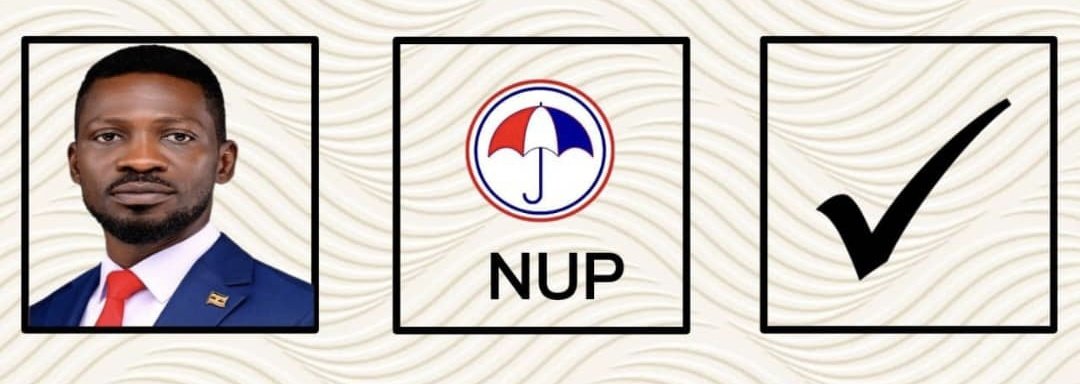
Uganda’s election day has unfolded amid heightened tension and uncertainty after opposition leader Robert Kyagulanyi Ssentamu, popularly known as Bobi Wine, issued a strongly worded statement alleging widespread electoral malpractice, mass arrests of opposition officials, and a nationwide shutdown of internet services.
In a message shared on his official social media platforms on Thursday, Bobi Wine said the events taking place across the country warranted urgent international attention, describing election day as being marred by what he characterized as systemic interference and repression.
According to the opposition leader, access to the internet was cut off across Uganda as voting commenced, severely limiting communication, independent reporting, and real-time verification of electoral processes. Internet disruptions during election periods have previously drawn concern from civil society groups, who argue that such measures restrict transparency and accountability.
Bobi Wine further alleged that massive ballot stuffing had been reported in multiple polling locations nationwide, claims that could not be independently verified at the time of publication due to the communications blackout and restricted access to polling centers.
Arrests and Abductions Reported
In his statement, the National Unity Platform (NUP) leader claimed that several senior party officials were arrested during the voting process, including the Deputy President for the Western Region. He also alleged that numerous polling agents and supervisors affiliated with the opposition were abducted or forcibly removed from polling stations.
“Our leaders have been arrested, our polling agents abducted, and others chased from polling stations as voting continues,” Bobi Wine stated.
Polling agents play a critical role in monitoring vote casting and counting procedures. Their removal, if confirmed, could raise serious questions about the integrity of the electoral process.
Technical Failures Raise Concerns
Another major concern raised in the statement involved the failure of Biometric Voter Verification and Validation (BVVK) machines. Bobi Wine claimed that these devices malfunctioned in many polling stations across the country, potentially allowing unauthorized voting and compromising the credibility of voter identification systems.
Election technology failures have historically been a contentious issue in Uganda, with opposition parties often accusing authorities of selectively deploying or disabling systems in opposition strongholds.
“BVVK machines have failed everywhere, opening the door to manipulation and fraud,” the statement read.
Call to Ugandans and the International Community
Beyond detailing alleged irregularities, Bobi Wine issued a direct appeal to Ugandan citizens and the global community. He urged voters to remain vigilant and reject what he described as an illegitimate process imposed through coercion and violence.
“The people of Uganda must rise to the occasion and reject the criminal regime,” he declared.
He also called on international actors not to recognize the election outcome should the allegations prove accurate, asserting that legitimacy cannot arise from a process conducted under intimidation, arrests, and restricted freedoms.
“The world must never give legitimacy to a regime of blood and shame,” Bobi Wine said.
Official Response Pending
By the time of publication, Ugandan electoral authorities and government officials had not issued a comprehensive response addressing the specific allegations raised. Previous government statements in similar situations have defended security measures as necessary for maintaining order and national stability during elections.
Observers note that independent verification of events on the ground remains difficult due to the reported communication shutdown and movement restrictions in several areas.
A Critical Moment for Uganda
As ballots continue to be cast and counted, Uganda stands at a critical crossroads. The competing narratives emerging from election day underscore deep political divisions and longstanding concerns about electoral transparency, civil liberties, and democratic governance.
The coming days are expected to be pivotal, as domestic institutions and international observers assess the conduct of the election and its implications for Uganda’s political future.