


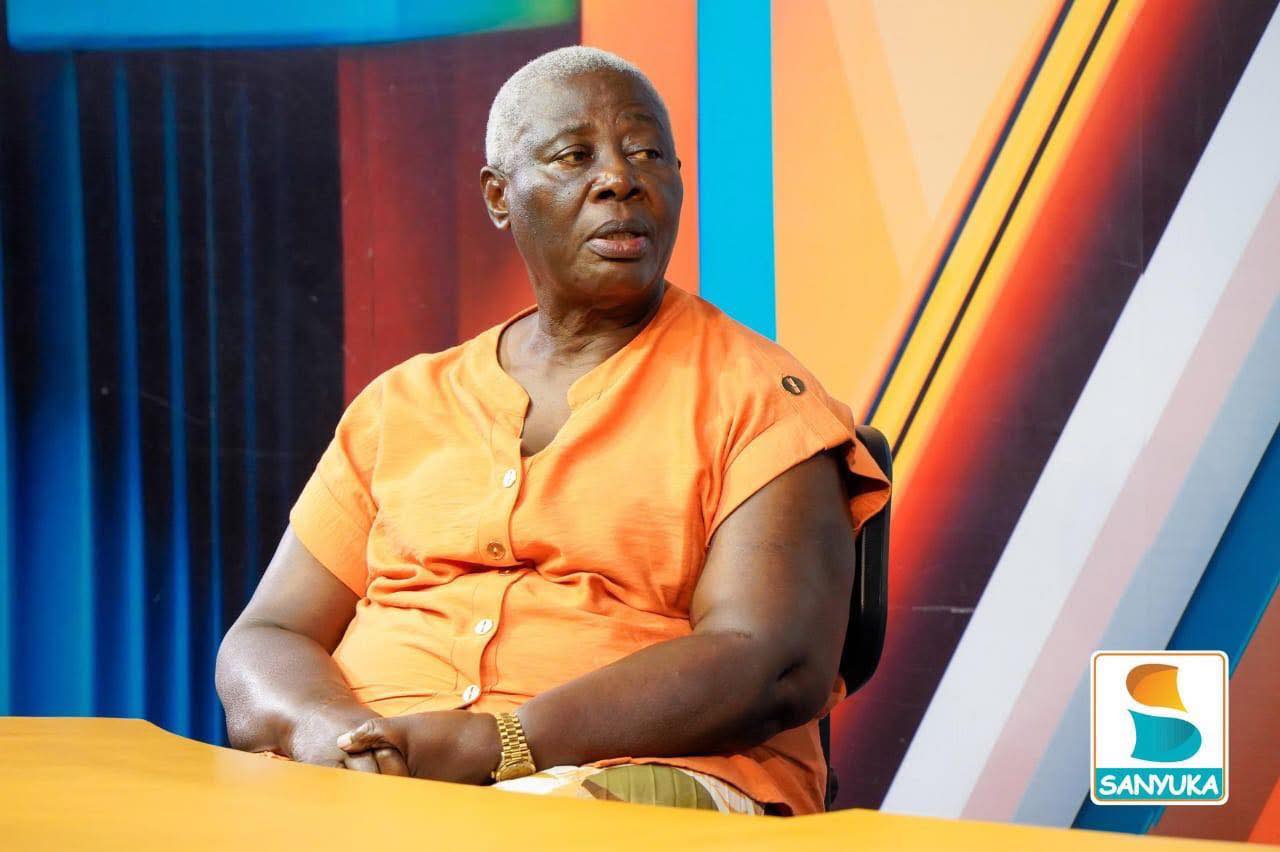
As Uganda edges closer to another high-stakes election cycle, sharp contradictions within the country’s security and political messaging are becoming harder to ignore. At the centre of this growing debate are remarks by Lt. Gen. Proscovia Nalweyiso, a senior UPDF officer. Her comments on opposition campaigning and the abduction of a Catholic priest have unintentionally exposed the deep tensions shaping Uganda’s civic space.
“Why would a candidate wear a helmet and bulletproof gear during campaigns, especially when it’s claimed that stones come from supporters?” Nalweyiso asked recently. “It creates the impression of expecting violence. We haven’t seen other candidates do this, and it raises serious questions.”
The statement appeared to target opposition figures, particularly those who have repeatedly faced police and military crackdowns during public engagements. Yet critics argue that the general’s remarks invert reality. Instead of interrogating why politicians feel unsafe without protective gear, the blame is shifted onto the victims of violence. Rather than its perpetrators.
“The real question is not why a candidate wears a helmet, but why Ugandan politics has become dangerous enough to require one,” noted a Kampala-based political analyst.
These comments land against the backdrop of several controversial incidents. These incidents have defined Uganda’s political climate in recent months. In Luwero, supporters of the National Unity Platform (NUP) were accused by the army of “mocking” the military by holding toy guns made from yam plant stems. Acting UPDF spokesperson Chris Magezi warned that such acts could “cause mayhem,” a claim that baffled many observers.
“When toy guns are treated as a national security threat while real violence goes unaddressed, the country enters a dangerous moral inversion,” a human rights advocate remarked.
At the same time, reports have emerged of the military defending corporal punishment against civilians. Senior officers frame such actions as necessary for discipline and order. These justifications sit uneasily alongside constitutional guarantees of human dignity and freedom from cruel treatment.
The contradiction deepens further with the case of Rev. Fr. Deusdedit Ssekabira, a Catholic priest who was abducted by armed men in a drone vehicle and remained missing for 11 days. Nalweyiso acknowledged the gravity of the incident, stating: “Eleven days are not few, and what happened is not good.” Yet she added that “some issues are being avoided.” She urged Ugandans to think about “the bigger picture, especially the elections and the future of Ugandans.”
For many faithful and civil society actors, this framing felt like an appeal for silence rather than accountability.
“Asking the public to focus on the ‘bigger picture’ while a priest is abducted sends a chilling message—that justice is negotiable during election seasons,” said a cleric in Masaka Diocese.
The abduction of Fr. Ssekabira is not an isolated incident. It fits into a broader pattern of enforced disappearances, arbitrary arrests, and intimidation. These tend to intensify as elections approach. Opposition leader Bobi Wine’s campaigns have repeatedly been blocked. Most recently in Fort Portal, security forces prevented him from addressing supporters.
In such an environment, Nalweyiso’s criticism of candidates wearing protective gear appears less like a security concern and more like a denial of lived realities.
“You cannot normalise violence and then ridicule those who take precautions against it,” said a constitutional lawyer. “That is both illogical and dangerous.”
Uganda’s ruling establishment often insists that the country is stable and that elections are peaceful. Yet the visible militarisation of politics—armoured vehicles at rallies, baton-wielding soldiers on city streets, and frequent arrests of opposition figures—tells a different story.
The contradictions are stark: toy guns are framed as threats, while real guns dominate civilian spaces. Corporal punishment is defended in the name of order, while calls for accountability are dismissed as distractions. Victims of violence are questioned for “expecting” harm rather than protected from it.
“The helmet has become a symbol—not of aggression, but of survival in Ugandan politics,” observed a university lecturer.
As Uganda looks toward its electoral future, these contradictions demand more than rhetorical deflection. They raise fundamental questions about the rule of law, civilian protection, and the role of the military in democratic processes.
If leaders continue to ask why politicians wear helmets, instead of why citizens fear the state, the gap between official narratives and public reality will only widen. And in that gap, trust—already fragile—may finally collapse.