


Date: January 14, 2026
By: The Pearl of Africa Correspondent
Washington, D.C. — The United States has announced a sweeping new trade measure that is set to reshape global commerce and deepen diplomatic tensions, particularly with key emerging economies. U.S. President Donald Trump has declared a 25% tariff on any country that continues to conduct business with Iran, describing the decision as “final and conclusive.”
The announcement signals a hardening of Washington’s stance toward Tehran and introduces a new layer of economic pressure not only on Iran but also on nations that maintain economic relations with it. The policy, according to U.S. officials, will apply broadly across all categories of goods entering the American market from affected countries.
South Africa Among the Hardest Hit
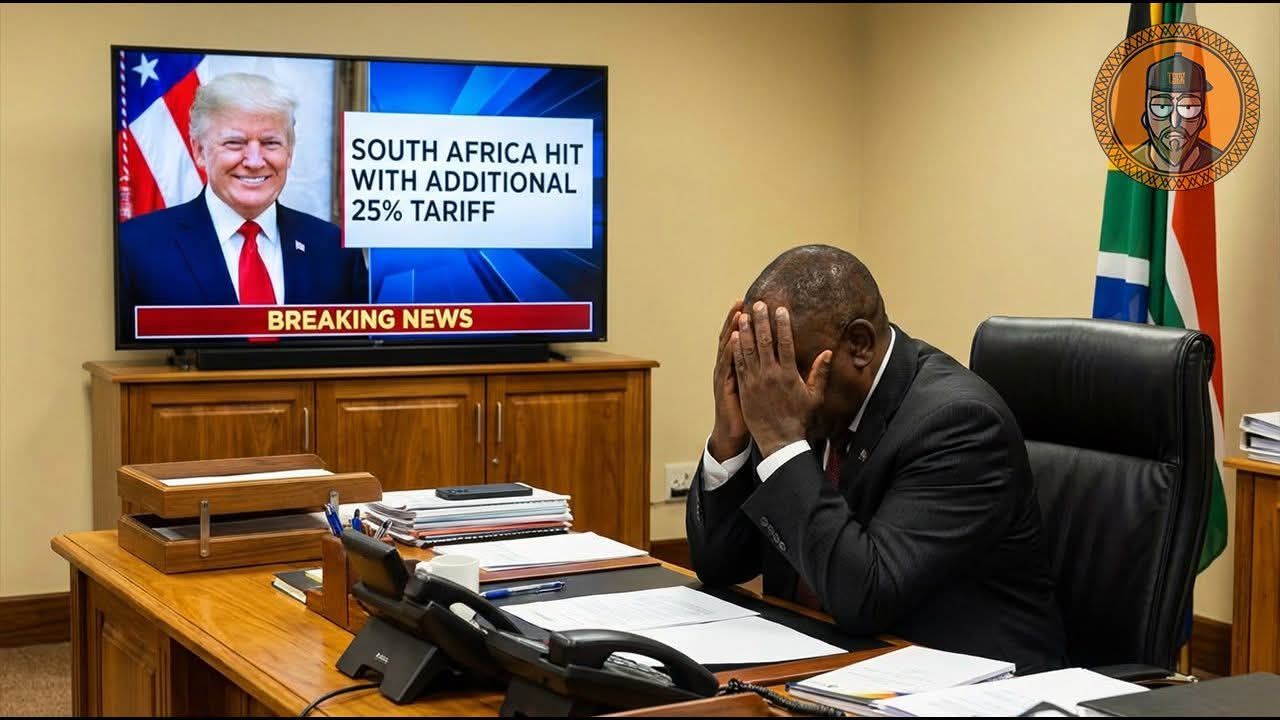
South Africa has emerged as one of the most significantly impacted nations under the new tariff regime. Due to Pretoria’s longstanding diplomatic and commercial engagement with Iran, South African exports to the United States will now face an additional 25% tariff, on top of existing trade duties.
As a result, the total tariff burden on many South African goods entering the U.S. market now rises to an estimated 55%, a level that trade experts describe as commercially crippling.
South Africa exports a wide range of products to the United States, including automobiles, automotive components, agricultural produce, minerals, and manufactured goods. The U.S. market has historically been one of South Africa’s most valuable non-African export destinations, supporting thousands of jobs across multiple sectors.
“This move places South African exporters at an immediate disadvantage,” said an independent trade policy analyst. “Margins in global trade are already thin. A 55% tariff effectively prices South African goods out of the American market.”
Economic and Political Repercussions
The tariff escalation comes at a time when South Africa is already grappling with economic headwinds, including high unemployment, sluggish growth, and pressure on manufacturing output. Business leaders warn that the new U.S. tariffs could accelerate factory closures, job losses, and reduced foreign investment.
Automotive manufacturers are among those most exposed. South Africa’s vehicle exports to the U.S. have previously benefited from preferential trade arrangements, but successive tariff increases have eroded competitiveness. Industry representatives caution that the latest escalation could lead to production cuts or relocation of export-focused operations.
Beyond economics, the tariff move has reignited debate over national sovereignty and foreign policy independence.
“South Africa is being economically punished for sovereign foreign policy decisions,” said a senior political analyst. “This raises fundamental questions about the balance between national interests and the risks of economic retaliation in a polarized global system.”
A Broader Geopolitical Strategy
The U.S. administration has framed the tariff as part of a broader strategy to isolate Iran economically and force policy concessions from Tehran. Washington accuses Iran of destabilizing regional security and defying international norms, accusations Tehran continues to reject.
By extending penalties to third-party trading partners, the United States is effectively leveraging its market power to influence global trade behavior. While supporters of the policy argue that it strengthens U.S. foreign policy leverage, critics warn that it undermines international trade norms and fuels economic fragmentation.
Several countries affected by the policy are reportedly exploring diplomatic and legal avenues to challenge or mitigate the tariffs, while others are accelerating efforts to diversify export markets away from the United States.
South Africa’s Response
South African officials have not yet announced formal countermeasures but have emphasized the importance of diplomatic engagement. Government sources indicate that urgent consultations with U.S. counterparts are underway, alongside internal discussions on trade diversification and market expansion.
Economists suggest that South Africa may increasingly pivot toward alternative markets in Africa, Asia, and the Middle East, while strengthening regional trade under continental frameworks.
However, analysts caution that replacing the scale and value of U.S. market access will not be easy or immediate.
Uncertain Road Ahead
As the new tariffs come into force, exporters, investors, and policymakers are bracing for turbulence. The long-term consequences of the U.S. decision remain uncertain, but the immediate impact is clear: higher costs, reduced competitiveness, and heightened global trade tensions.
For South Africa, the challenge now lies in navigating a complex geopolitical landscape while safeguarding jobs, industries, and economic stability in an era of increasingly weaponized trade policy.