


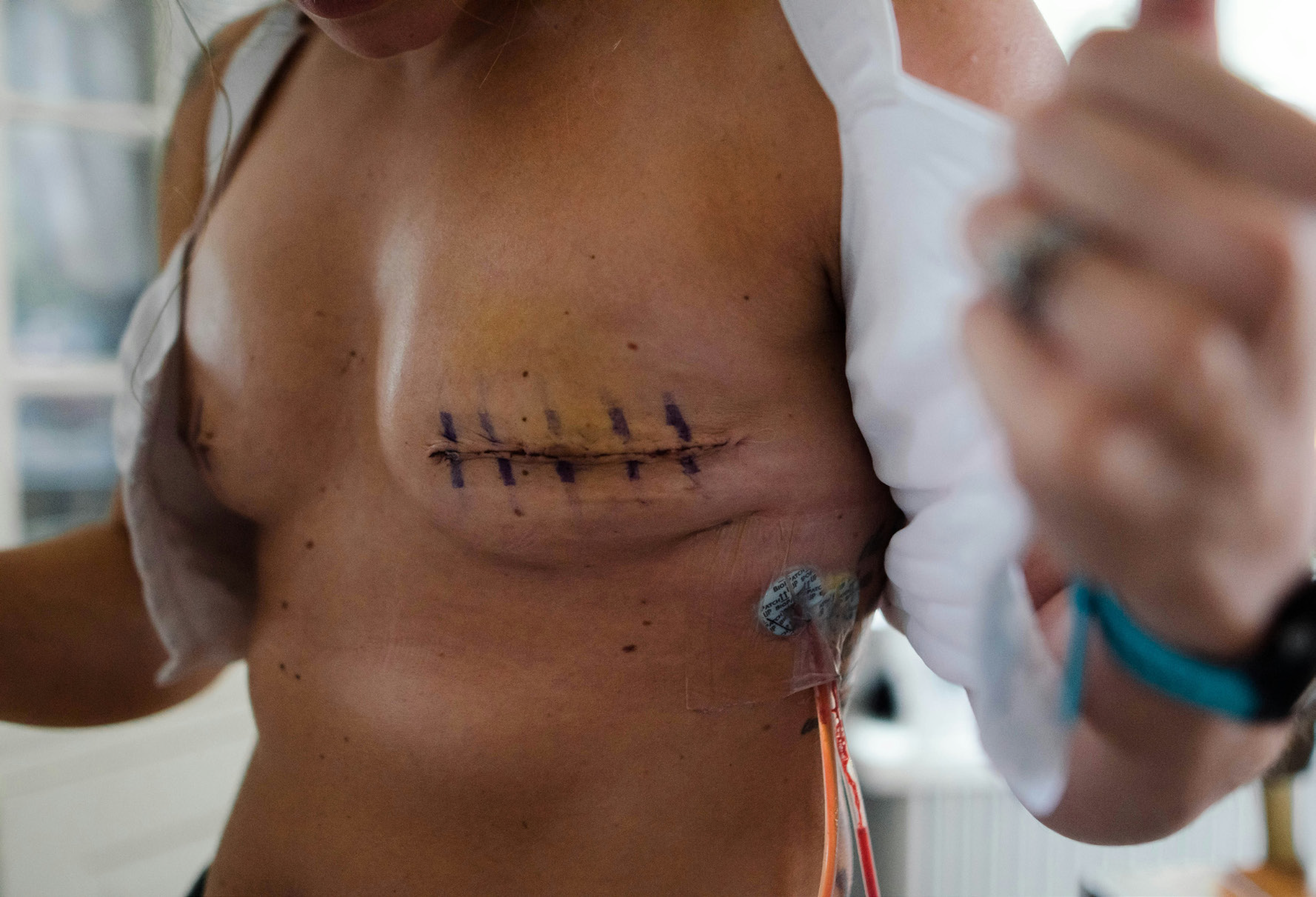
Breast cancer incidence is a great public health concern annually worldwide, as more than 2.3 million cases occur in the world. The World Health Organization (WHO) released a Global Breast Cancer Initiative Framework in 2023 that targets to save 2.5 million lives from breast cancer by 2024. This is based on three pillars of health promotion for early detection, timely diagnosis, and full management of breast cancer.
EPIDEMIOLOGY In Africa in 2022, 198,553 new cases of breast cancer were recorded, with 91,252 deaths. Breast cancer then accounted for 16,8% of all new cancer cases and 11,9% of all cancer deaths. In South Africa, breast cancer is the most common cancer in women of all races with a lifetime risk of 1-in-27 according to the 2023 National Cancer Registry. CAUSE AND RISK Breast cancer occurs when the cells of the breast structure change by what is called mutation and multiply uncontrollably and spontaneously and cause swellings (tumors).
These cells then spread (invade) within the breast structure and through blood and other distant areas of one’s body such as the chest, lungs, brain, and liver. This spread is called metastasis. All women are at risk from the age of 15 up until 50 years. Younger persons have aggressive types of breast cancer. The rate of breast cancer increases as women grow older, especially women with familial history of breast cancer. Being overweight, alcohol consumption, poor dietary habits, smoking, and genetic BRCA variation in the population. Males constitute 1% of all cases of breast cancer and is said to be more aggressive too.
BREAST CANCER SYMPTOMS
Breast cancer symptoms vary from small, unnoticeable symptoms to obvious signs. The signs are a change in breast shape, size, and outline of the breast, small lumps similar to peas, breast skin thickening, or armpit lumps that persist through the menstrualcycle, dimples on the breast with fluid discharge at the nipples. The hard firm breast could mean advanced disease.
REDUCE RISK BY FREQUENT EXAMINATION
The breast cancer awareness month called “Pink October” promotes preventative and routine screening for the early diagnosis of breast cancer. A regular Breast Self Examination (BSE) plays an important role in discovering breast cancer if done at least every month preferably at the same time of day after a menstrual cycle. BSE is done by checking breast in segments of four for any changes and the underarms. Clinical Breast Examination (CBE) is done with a clinician or nurse as part of annual medical check-up.
Mamograms are special X-rays to detect lumps in the breast only, not treatment. The results should be kept and compared with the rest of the tests done. DIAGNOSIS The diagnosis of breast cancer is done by mammograms, breast ultrasound, breast tissue biopsy, MRI (breast magnate resonance imagery) scan, genetic tests, and immune chemistry. Early detection BSE and CBE are the cornerstone to early diagnosis of breast cancer.
STAGING AND TYPES
Breast cancer staging from zero to Stage IV is for planning treatments and for outcome or prognosis after treatment. Stage zero is localized, Stage I cells are in nearby breast tissue, Stage II the cells from swelling less than two centimeters and spreads to under arms. Stage III as in lymph nodes. Stage III locally advanced Stage IV is widespread. The prognosis of the patient depends on the stage of disease in the capacity of the medical Centre. The treatments are surgery, radiotherapy, oral medication, chemotherapy, and symptomatic treatment.
DIA GNOSIS -REL ATED CHALLENGES
There are three delay points that worsen the outcome in breast cancer treatment. One patient delay is due to low symptoms awareness, fear, stigma of breast cancer, and financial challenges. The second is diagnostic delay, as regards few pathologists. Interruption of service of the team completing the diagnosis. Thirdly, delay in initiation of treatment with backlogs.
HEALTH POLICY
The WHO Global Breast Cancer Initiative implementation in Africa aims to get over 60% of cases diagnosed at stage I and II, to complete work-up within sixty days to have over 80% complete multidisciplinary treatment of breast cancer to reduce mortality to 2.5% annually. All ‘WHO’ member states have adopted the policy.
CONCLUSION
The burden of breast cancer in Africa is great, the diagnoses are late, the waiting period for treatment is long, and treatment may not be completed.
The early diagnostic efforts by BSE, CBE, and awareness by health care workers to promote and carry out annual clinical breast examinations when patients visit primary health care centers is essential.